782 S Americana Blvd, Boise, ID 83702

Pros and Cons of Immediate vs. Delayed Dental Implant Placement



Dental implants offer a reliable solution for missing teeth. However, patients often face a choice between immediate and delayed placement. Each option has unique advantages and drawbacks. This guide helps you understand both approaches to dental implants.
Immediate Dental Implant Placement
Benefits of Immediate Placement
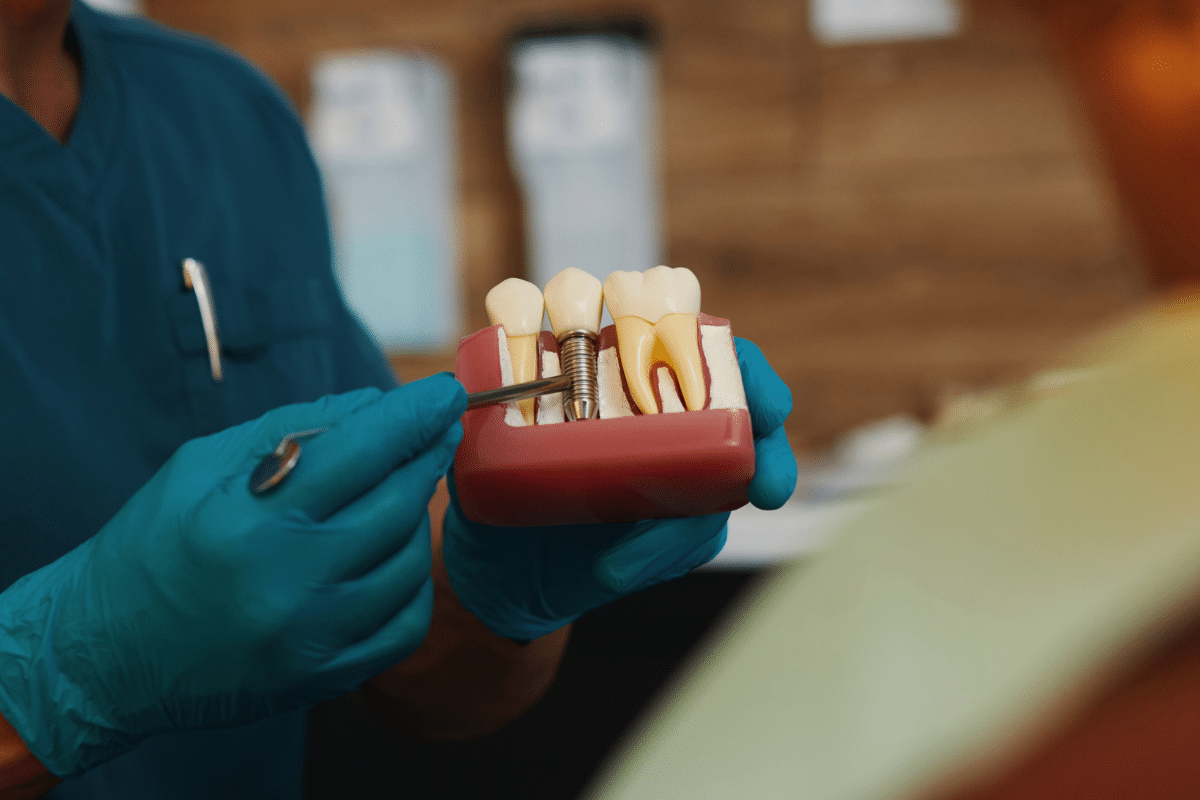
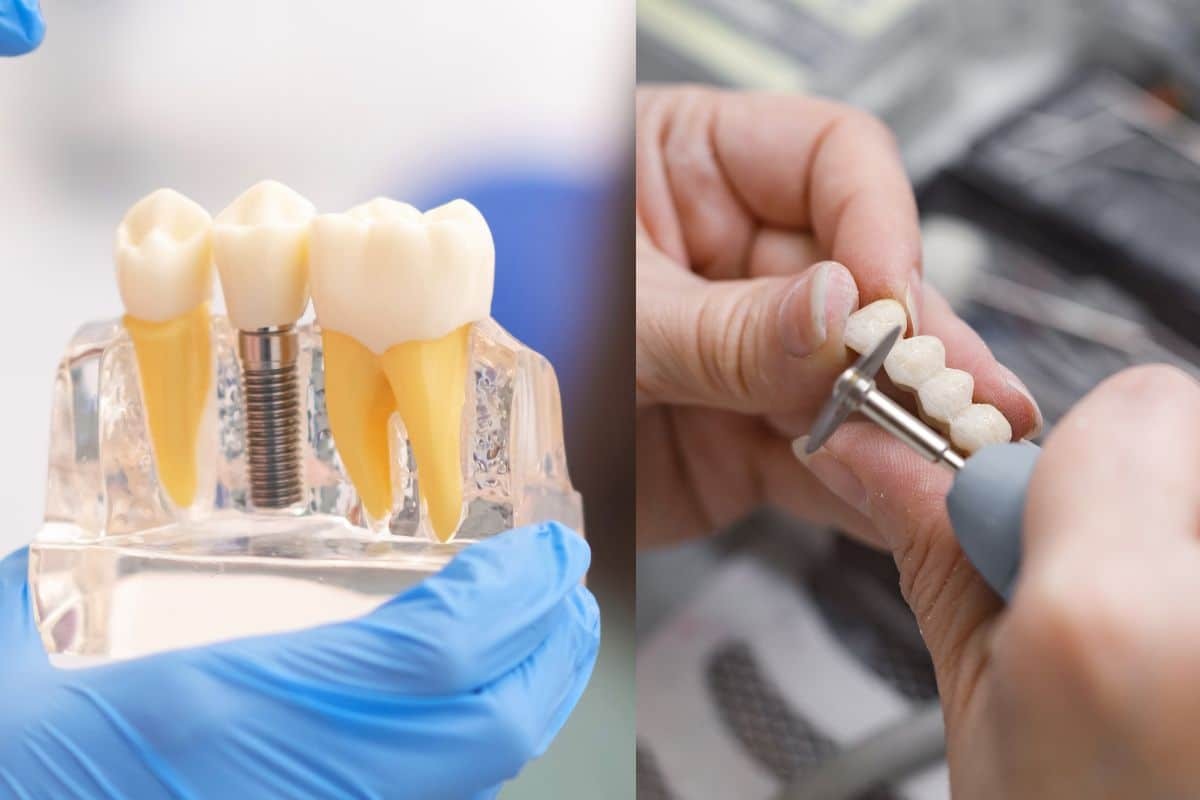
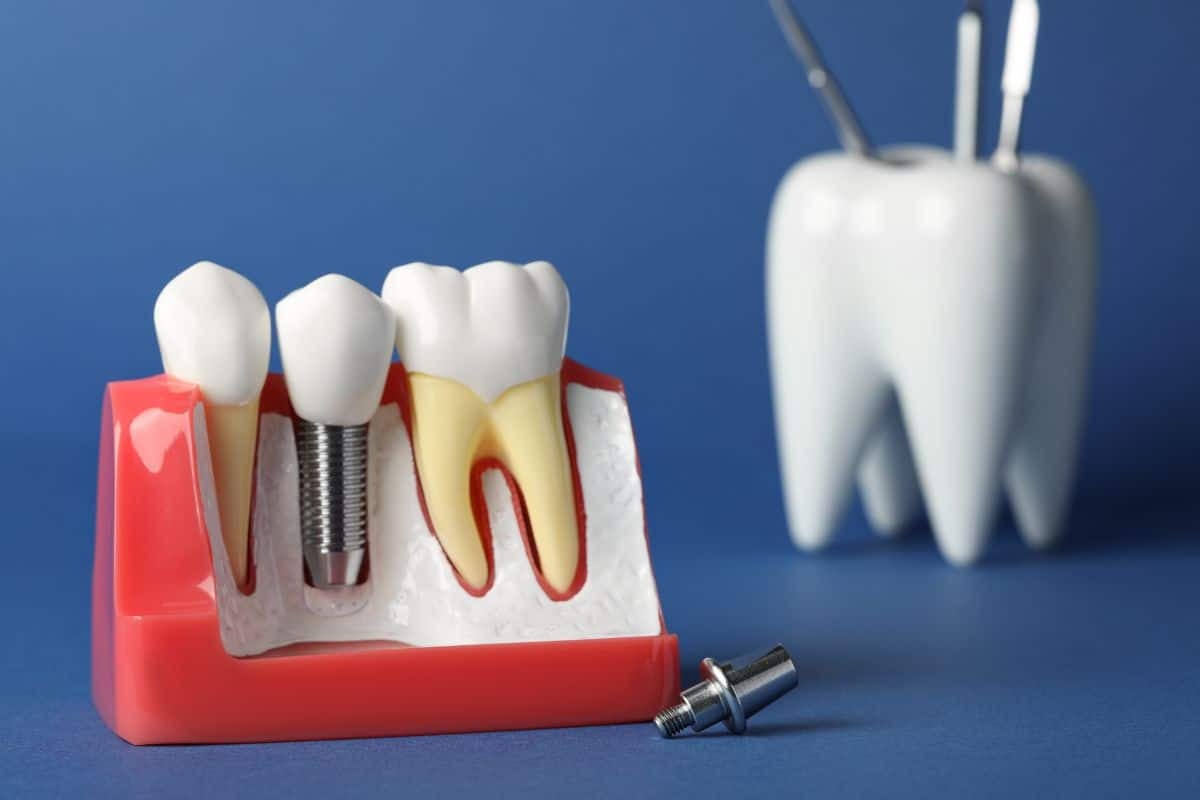
Immediate dental implant placement occurs right after tooth extraction. One major benefit is reduced treatment time. You can complete the entire process in a single appointment, which is convenient. This approach also helps preserve the jawbone structure. The implant supports the bone, minimizing loss during healing. For patients considering dental implants in Boise, this advanced option offers both efficiency and long-term benefits for oral health.
Another advantage is the aesthetic benefit. With an immediate placement, you can often leave the office with a new tooth or temporary restoration. This instant result can boost your confidence and overall appearance.
Drawbacks of Immediate Placement
Despite the benefits, immediate placement has some risks. The most significant concern is the potential for infection. Since the implant is placed in a fresh extraction site, the area may be more susceptible to bacteria.
Moreover, not all patients are candidates for immediate placement. Factors such as bone quality and oral health significantly affect eligibility. If the extraction site isn’t healed adequately, immediate placement may not succeed.
Delayed Dental Implant Placement
Benefits of Delayed Placement
Delayed dental implant placement occurs after the extraction site has healed. One of the main advantages is the lower risk of complications. The gum tissue and bone have time to heal, which can improve overall success rates.
Delayed placement allows for better evaluation of the healing site. Dentists can assess bone density and quality before proceeding. This comprehensive assessment helps ensure that the implant will be secure.
Additionally, patients can opt for a bone graft if needed. This can enhance the success of the implant, especially in areas with significant bone loss.
Drawbacks of Delayed Placement
The primary drawback of delayed dental implant placement is the waiting period. Patients may face months without a tooth. This can be frustrating, especially for those who prioritize aesthetics.
Furthermore, delayed placement may require additional procedures. This can increase treatment time and overall costs. Patients might need temporary solutions, like dentures, while they wait for the implant.
Choosing the Right Option
The choice between immediate and delayed dental implant placement largely depends on individual circumstances. Factors such as overall health, bone quality, and personal preferences play a role. A thorough consultation with your Boise dentist will help you determine the best approach.
It’s essential to weigh the pros and cons carefully. Immediate placement offers speed and convenience but comes with increased risk. Delayed placement reduces risk but involves a longer wait.
Conclusion
Understanding the pros and cons of immediate versus delayed dental implant placement is crucial. Both options have their benefits and drawbacks. Discussing your specific situation with a dental professional will guide you toward the best decision.
Choosing the right method will set the stage for successful dental implants. With the proper approach, you can enjoy the long-lasting benefits of a restored smile. Don’t hesitate to consult Summit Dental Group for personalized advice and information!