782 S Americana Blvd, Boise, ID 83702

How Smoking Affects Your Teeth Whitening Journey and How to Combat It


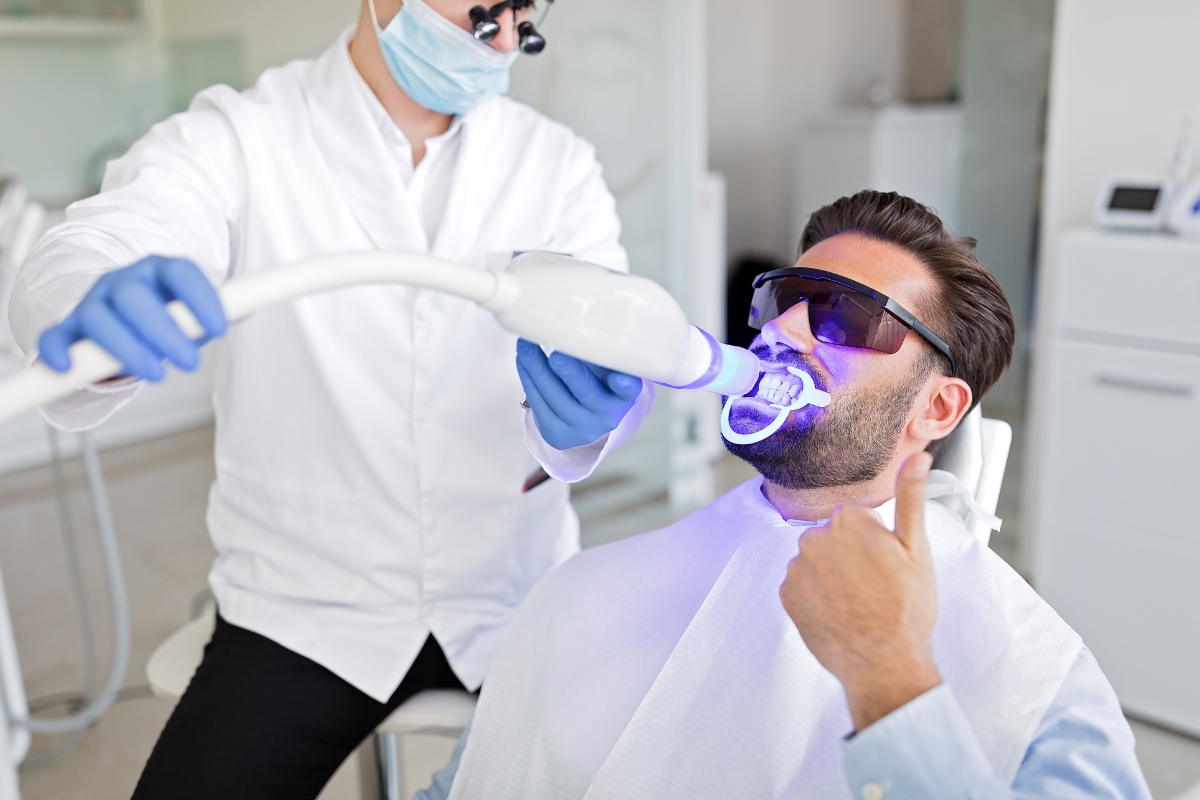
Smoking is one of the most harmful habits for your teeth, especially if you’re trying to achieve a whiter smile. While teeth whitening can work wonders in removing stains, smoking often undermines those results, making it harder to maintain that sparkling look. Let’s dive into how smoking affects your teeth whitening journey and how you can combat it for long-lasting results.
The Impact of Smoking on Teeth Whitening
Smoking leads to stubborn stains that are difficult to remove. Nicotine and tar from cigarettes settle into the enamel, causing discoloration that isn’t just surface-level. Even after professional teeth whitening, smokers often notice that their teeth yellow again more quickly than non-smokers. The chemicals in tobacco can also weaken the enamel, reducing the effectiveness of whitening treatments.
Moreover, smoking after a teeth whitening treatment can diminish its effects, leaving you with dull results. Whitening treatments work by penetrating the enamel to break down stains, but smoking causes new discoloration to form rapidly.
Why Smoking Makes Teeth Whitening Difficult
The primary reason smoking affects teeth whitening is the constant exposure to nicotine and tar. These substances deeply penetrate the teeth, making it harder for teeth stains removal procedures to achieve lasting results. Whitening agents work to remove yellow stains, but smoking introduces new stains almost immediately.
In addition, the chemicals from smoking can lead to plaque buildup, which accelerates tooth discoloration. This makes it challenging for even laser teeth whitening to produce the desired outcome for smokers.
How to Combat Smoking’s Effect on Teeth Whitening
While smoking certainly impacts the success of your teeth whitening journey, there are ways to minimize its effects and maintain a bright smile. Here are some strategies to combat the impact of smoking on your teeth:
- Limit or Quit Smoking
Reducing your smoking habit or quitting altogether is the most effective way to preserve your whitening results. Without the constant influx of nicotine and tar, your teeth are less likely to become stained again after a treatment. - Use Whitening Toothpaste
Incorporating a teeth whitening toothpaste into your daily routine can help manage stains caused by smoking. While it won’t replace professional treatments, it helps in maintaining results between whitening sessions. - Brush and Floss Regularly
Practicing good oral hygiene by brushing twice a day and flossing will help remove surface stains before they become permanent. Regular brushing and flossing prevent the buildup of nicotine and tar, helping to remove yellow stains on teeth. - Consider Professional Touch-Ups
Even with the best habits, smokers may need more frequent whitening touch-ups. Professional teeth whitening can help you keep your smile bright, especially if you smoke regularly. Consider scheduling touch-ups every six months for the best results. - Use a Straw
If you can’t quit smoking entirely, try using a straw when you smoke. This minimizes direct contact between the smoke and your teeth, helping to reduce the staining effect. - Stay Hydrated
Drinking plenty of water helps to rinse your mouth and reduce the effects of smoking on your teeth. Staying hydrated flushes out some of the harmful chemicals before they can settle into your enamel, aiding in teeth stains removal over time.
The Long-Term Effects of Smoking on Teeth
Beyond the immediate staining, smoking can lead to a variety of long-term oral health issues. Gum disease, tooth decay, and even oral cancer are all risks associated with smoking. These conditions can undermine the effects of whitening treatments, making it even harder to achieve and maintain a bright smile.
If you’re looking for long-lasting teeth whitening results, it’s important to not only focus on treatments but also address the root cause of your discoloration. By cutting back on smoking, improving your oral hygiene, and opting for regular whitening treatments, you can enjoy a whiter smile for years to come.
Conclusion
Smoking presents a significant challenge in your teeth whitening journey, but with the right approach, it is possible to combat its effects. Whether you opt for professional teeth whitening or maintain a diligent oral hygiene routine, the key is consistency. Reducing your smoking habit, staying hydrated, and scheduling regular touch-ups can help you achieve and maintain a bright, healthy smile.
While smoking can dull the effects of treatments like laser teeth whitening, these strategies will help you preserve your whitening results and improve your overall oral health. If you’re serious about keeping your teeth white, the best solution is to quit smoking and invest in your smile for the long term. At Summit Dental Group, we can help you achieve and maintain a bright, healthy smile with personalized care and advice tailored to your needs.