782 S Americana Blvd, Boise, ID 83702

What Is the Best Age for Dental Implants?



Dental implants are a popular, effective solution for replacing missing teeth. They restore function and enhance your smile’s aesthetics. But one question often arises: What is the best age for dental implants? This guide explores age-related factors to help you understand when implants might be most suitable.
Why Age Matters for Dental Implants
Age significantly impacts the success of dental implants. Both young and older patients have unique considerations. For younger individuals, it’s essential to wait until jawbone growth is complete. Premature placement of implants can lead to complications as the jaw continues to develop. For patients seeking dental implants in Boise, consulting an experienced provider ensures age-appropriate care and long-term success.
For older patients, factors like bone density and overall health play a crucial role. Advances in restorative dentistry have made implants accessible even to seniors, provided they meet health requirements.
Dental Implants for Young Adults
Dental implants are generally not recommended for individuals under 18. The reason lies in jawbone growth. A fully developed jaw ensures the implant integrates securely without future alignment issues. Young adults in their early 20s often benefit greatly, as their bone structure is stable, and healing tends to be quicker.
Middle Age: The Ideal Time for Dental Implants
For most people, middle age offers the best window for dental implants. Individuals in their 30s, 40s, and 50s typically have good bone density and overall health. These factors are crucial for successful osseointegration (the fusion of the implant with the bone). Additionally, the sooner missing teeth solutions are implemented, the less likely it is for bone loss to occur in the jaw.
Are Seniors Good Candidates for Dental Implants?
Seniors often wonder if they’re too old for dental implants. Thankfully, age itself is not a barrier. What matters most is overall health and bone density. For seniors with significant bone loss, bone grafting may be required before the dental implant procedure. This preparatory step strengthens the jawbone to provide a stable foundation for the implants.
Key Health Factors to Consider
Regardless of age, certain health conditions can affect candidacy for dental implants. Conditions like diabetes or osteoporosis, if managed well, may not prevent implant success. A thorough dental evaluation will determine if implants are the right fit for you.
Advantages of Choosing Dental Implants Early
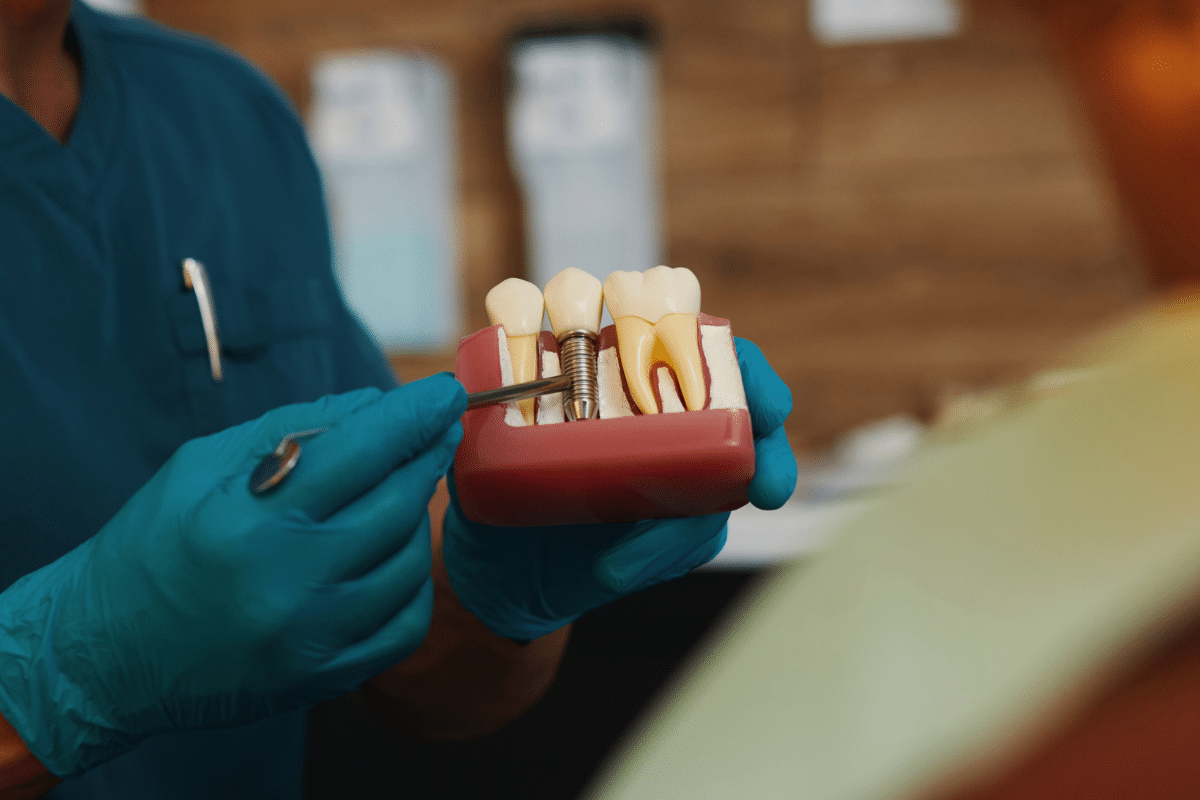
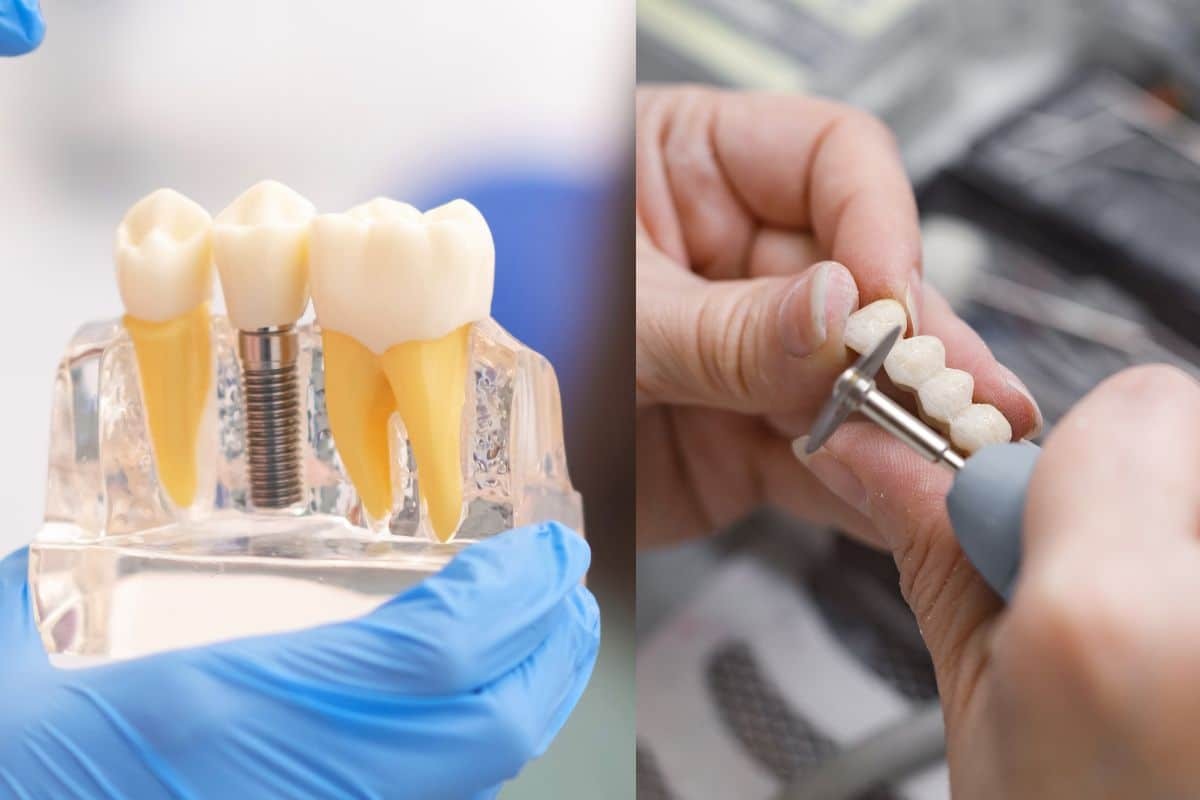
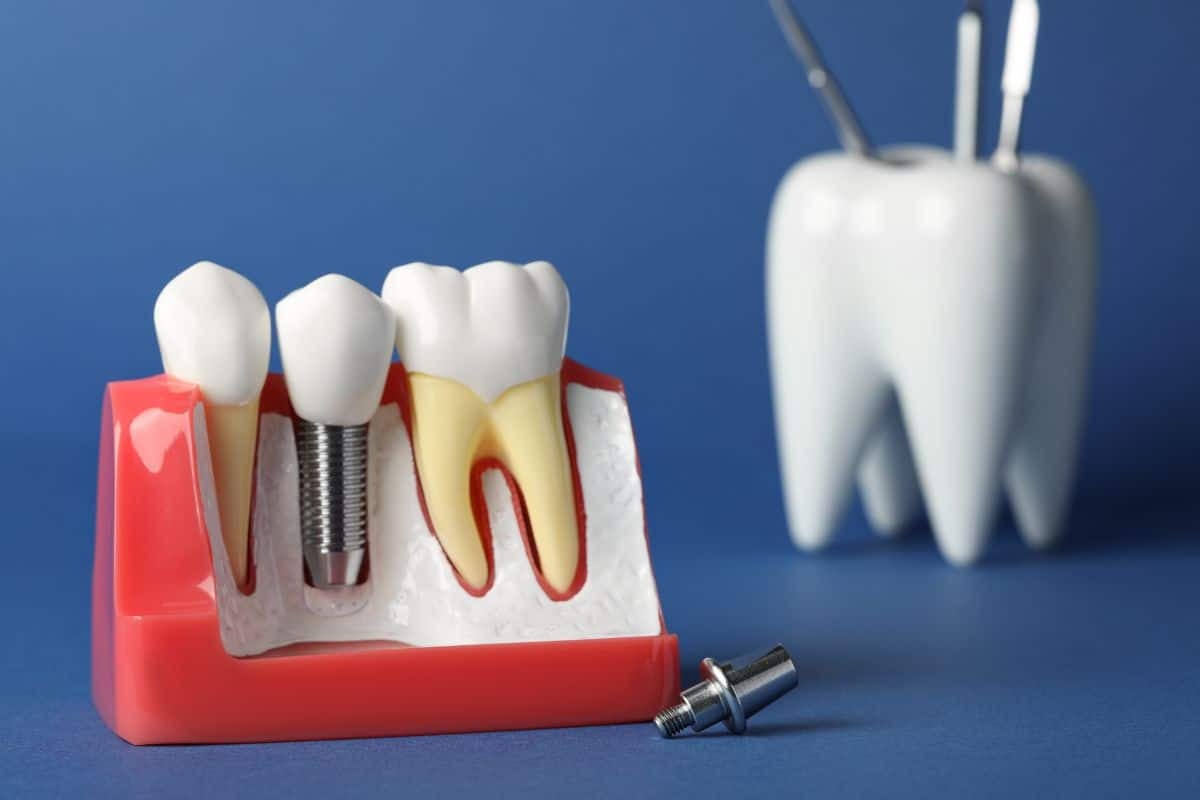
The earlier you address tooth replacement, the better for your oral health. Untreated gaps from missing teeth can lead to shifting of remaining teeth, bite misalignment, and bone loss. Dental implants, provided by a trusted dentist in Boise, are topped with dental crowns to prevent these issues while maintaining your jawbone structure.
How Age Influences Healing Time
Healing time after the dental implant procedure varies with age. Younger individuals tend to heal faster due to better blood flow and overall regenerative ability. Older patients may take slightly longer to heal, but advancements in implant technology have reduced recovery times for all age groups.
Final Thoughts
The best age for dental implants depends on individual factors like bone growth, health, and lifestyle. While middle age is ideal for many, seniors can also enjoy the benefits of dental implants with proper care and preparation. Contact Dr. Carson Mooney today at (208) 986-7900 or visit us at 782 S Americana Blvd, Boise, ID 83702 USA