782 S Americana Blvd, Boise, ID 83702

Post-Dental Implant Diet: What You Can Eat And Avoid In Boise For A Quick Recovery?


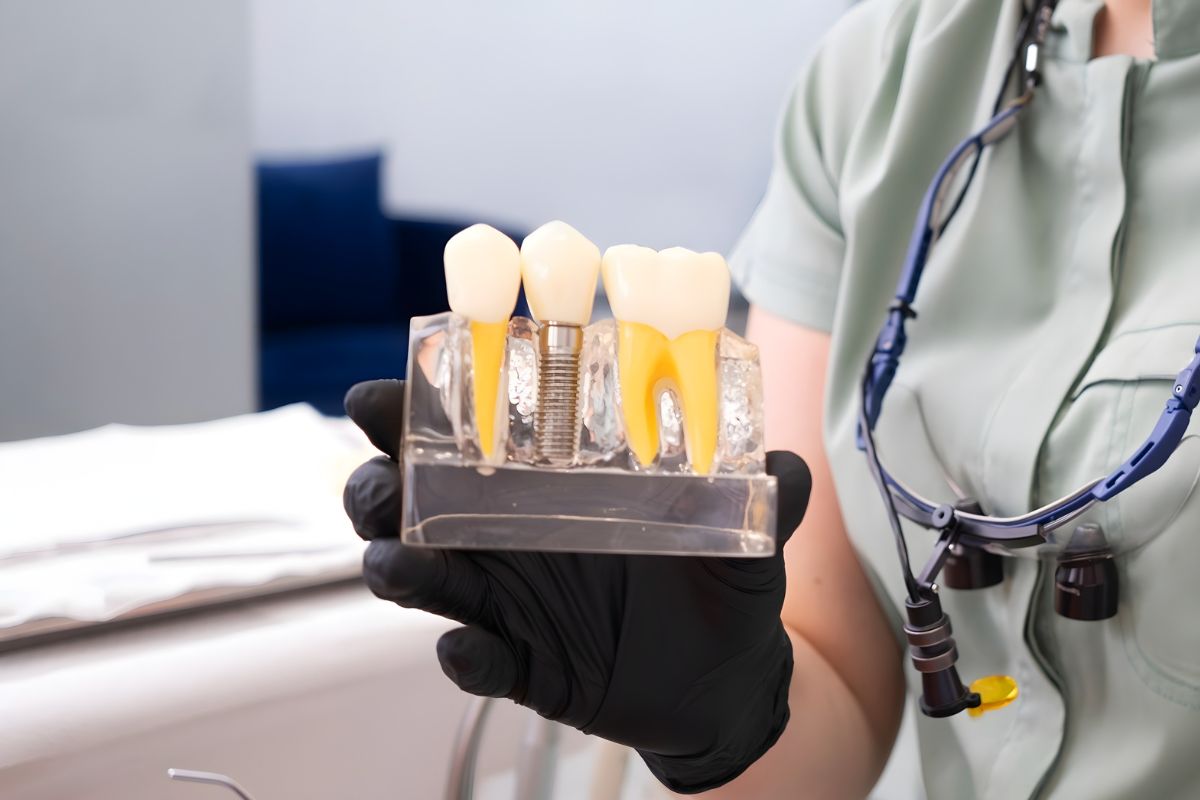
Getting dental implants can change your smile and boost your confidence. After the procedure, one of the key considerations for your recovery is your diet. What you eat can play a crucial role in ensuring your implants heal properly and integrate with your jawbone. In this blog, we’ll explore the best foods to eat and the ones you should avoid after getting artificial tooth roots to ensure you’re on the right path to a healthy, bright smile.
Understanding The Healing Process For Dental Implants
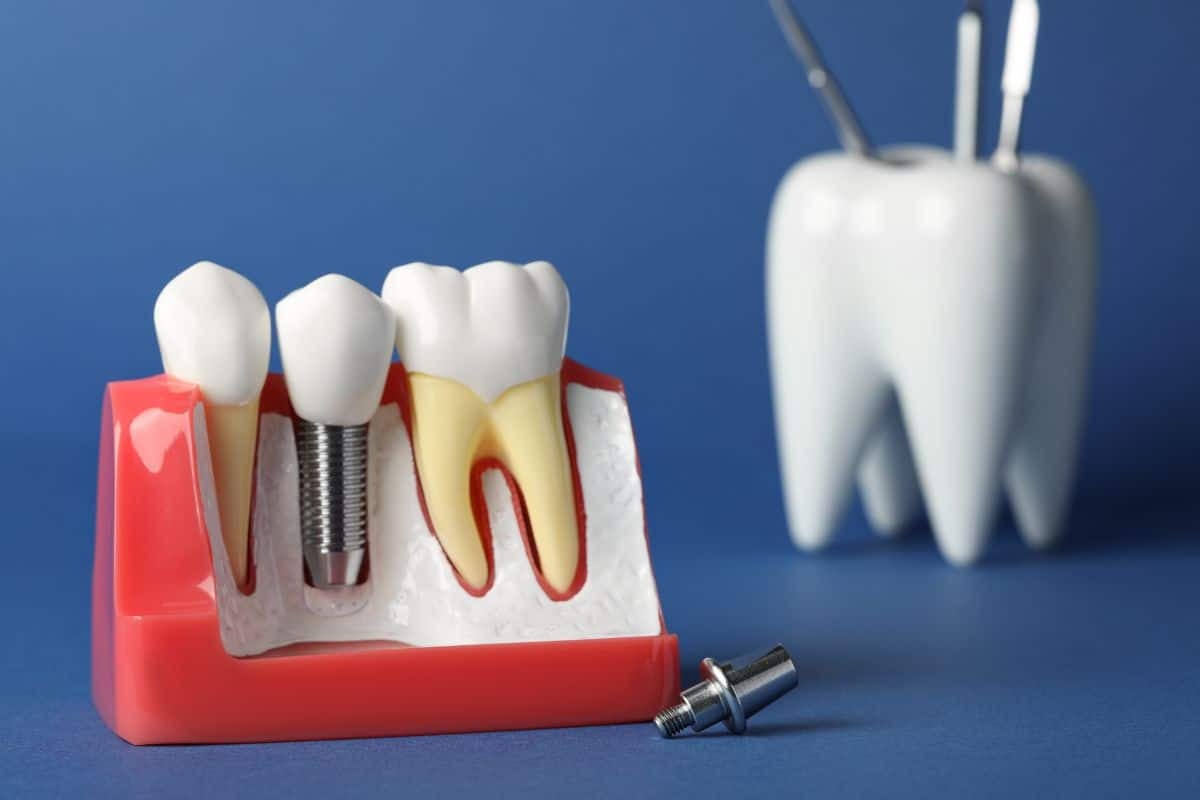
Before diving into which foods are suitable, it’s important to understand the healing process. After the surgery, your jawbone needs time to heal around the titanium dental post. This process, called osseointegration, can take several months. During this time, it’s crucial to be gentle on your new dental implants to avoid damaging the surgical site and help the implant properly fuse with the bone.
Dental care in Boise can provide you with personalized recovery instructions, but generally, the first few weeks will require special attention to your diet and oral hygiene to ensure proper healing.
Best Foods To Eat After Getting Prosthetic Teeth
In the days and weeks following the procedure, it’s essential to stick to soft, easy-to-chew foods that won’t put unnecessary stress on the dental work. Here are some top food choices a Boise dentist suggests for optimal healing:
1. Soft Fruits And Vegetables
- Bananas: Rich in potassium, bananas are soft and easy to eat. They also help provide energy and reduce inflammation.
- Cooked Carrots And Sweet Potatoes: These vegetables can be cooked to a soft consistency and are packed with vitamins that support healing.
2. Dairy Products
- Yogurt And Cottage Cheese: These dairy items are soft, nutritious, and help maintain calcium levels, which are important for bone health during healing.
- Milk And Cheese: High in calcium and protein, dairy products can help support the bone healing process.
3. Smooth Soups
- Smooth soups that don’t contain hard pieces of vegetables or meats can be soothing for healing gums. Opt for creamy soups like tomato or squash, which are both nourishing and easy on the teeth.
4. Scrambled Eggs And Soft Proteins
- Eggs are a great source of protein, and scrambled eggs can be eaten easily without putting pressure on your implants.
- Soft proteins like well-cooked chicken or fish can also be consumed once you’re a bit further into the healing process.
Essential Dietary Restrictions For Post-Implant Care
While certain foods help with healing, there are certain foods to avoid after getting dental implants. These include:
- Hard or Crunchy Foods: Avoid foods like nuts, popcorn, and chips as they can stress the healing site.
- Sticky Foods: Sticky substances like caramel or chewing gum can get stuck around the site, hindering healing.
- Acidic Foods and Drinks: Citrus fruits, tomatoes, and soda can irritate sensitive gums, especially during the initial healing stages.
- Hot Beverages: Steer clear of extremely hot drinks like coffee or tea, as they can cause discomfort and delay healing.
When To Reintroduce These Foods?
You’ll likely be able to introduce these foods gradually once you’ve healed sufficiently, and your dentist will guide you on when it’s safe to eat these types of foods again.
The Role Of Hydration In Healing
Drinking enough water is essential after the procedure. Staying hydrated helps to keep your mouth clean and promotes healing by keeping the tissue around the dental post moist. Dehydration can lead to discomfort and slow down the recovery process.
Drinking room temperature water and non-acidic beverages is also recommended to avoid discomfort. Proper hydration also helps flush away any bacteria from the mouth, reducing the risk of infection.
Why Post-Surgery Oral Care Is Crucial For The Treatment’s Success?
While eating soft foods is important, so is following a proper oral care routine after the procedure. Here are a few additional tips to maintain a clean mouth and ensure the long-term success of your dental implants in Boise:
- Gentle Brushing: Use a soft-bristled toothbrush to clean your teeth and gums gently.
- Saltwater Rinses: Rinsing with warm saltwater can help keep the implant area clean without irritating the tissue.
- Avoiding Smoking: Smoking can hinder the healing process and increase the risk of complications. It’s best to avoid smoking during the recovery period.
Achieve Long-Term Success with Proper Care and Diet
Following the right dietary guidelines and maintaining excellent oral care after your dental implants in Boise will help ensure your recovery is successful. By avoiding hard, sticky foods and focusing on soft, nutrient-rich meals, you can speed up the healing process and keep your implants intact for years to come.
If you’re ready to restore your smile, book an appointment with our team at Summit Dental Group. At our dental clinic, our team will work with you every step of the way to ensure the best care for your new tooth.
FAQs
How long should I wait to eat solid foods after Implant surgery?
Most patients should wait at least a few days before trying solid foods to allow initial healing. Starting with soft, nutrient‑rich meals helps prevent irritation and supports proper recovery.
Can I chew normally immediately after getting artificial tooth roots?
Chewing normally is not recommended until your surgical site is sufficiently healed and your dentist gives you the all‑clear. Gradually reintroducing firmer foods helps avoid stress on the new artificial tooth roots and surrounding tissue.
Will my implants affect my ability to enjoy food long term?
Once fully healed and integrated into the jawbone, implants function like natural teeth and allow you to enjoy most foods with confidence. Proper oral hygiene and regular check‑ups help maintain full chewing ability.
How do I know if my implant is healing properly?
Healthy healing usually involves minimal discomfort, reduced swelling, and stable gum tissue around the surgical site. Persistent pain, bleeding, or unusual symptoms should prompt consultation with your dentist or oral surgeon for evaluation.
Are there specific nutrients that support implant healing?
Yes! Protein, calcium, and vitamins help support tissue repair and bone health during the healing process. Including soft, nutrient‑dense foods in your diet promotes faster recovery and stronger support for your newly restored tooth.