782 S Americana Blvd, Boise, ID 83702

What Smile Problems Can Dental Implants Help Solve More Effectively?


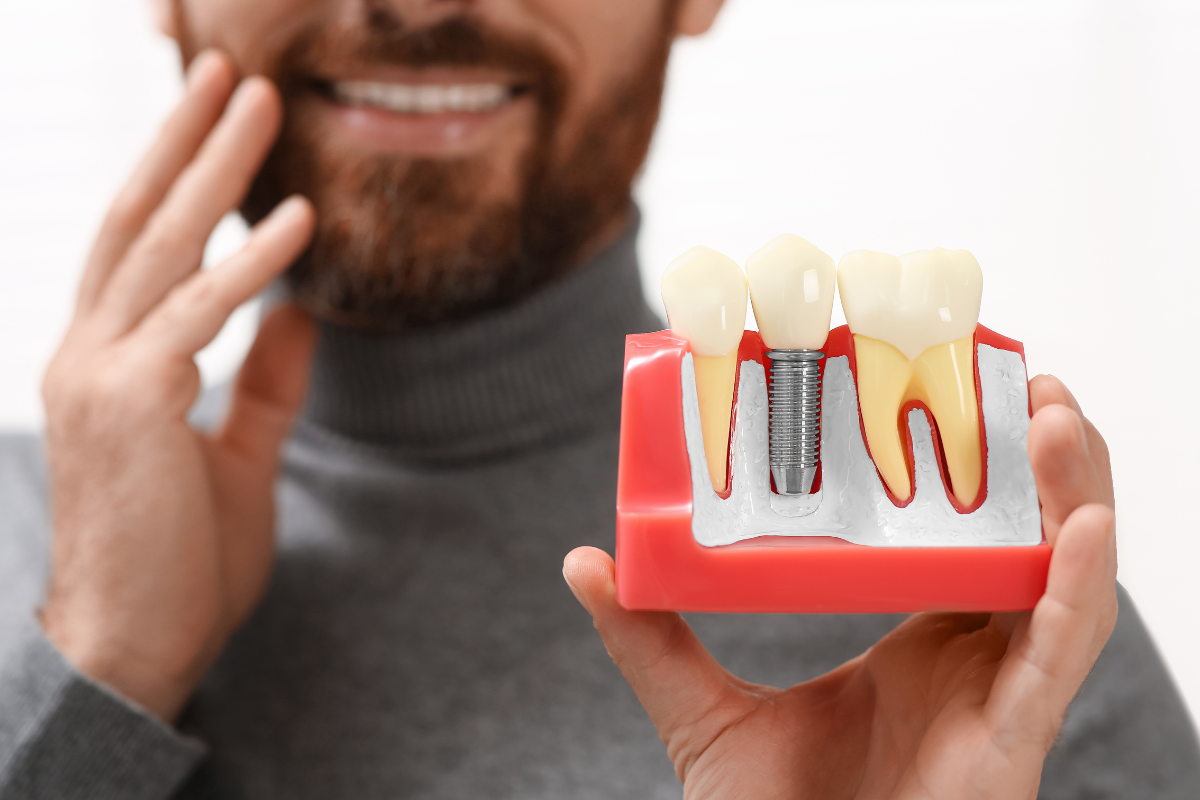
A healthy smile does more than improve appearance. It supports clear speech, comfortable chewing, and confidence in daily life. If you have missing or damaged teeth, dental implants can often solve smile concerns more effectively than many traditional tooth replacement options. For patients considering tooth replacement, dental implant treatment can help address gaps, shifting teeth, bite concerns, and facial changes caused by tooth loss while restoring long-term oral function.
Why Missing Teeth Affect More Than Appearance
Losing a tooth is not only a cosmetic concern. Even one missing tooth can slowly affect the way your smile functions. Over time, nearby teeth may begin shifting, chewing may feel uneven, and jawbone loss can occur beneath the empty space.
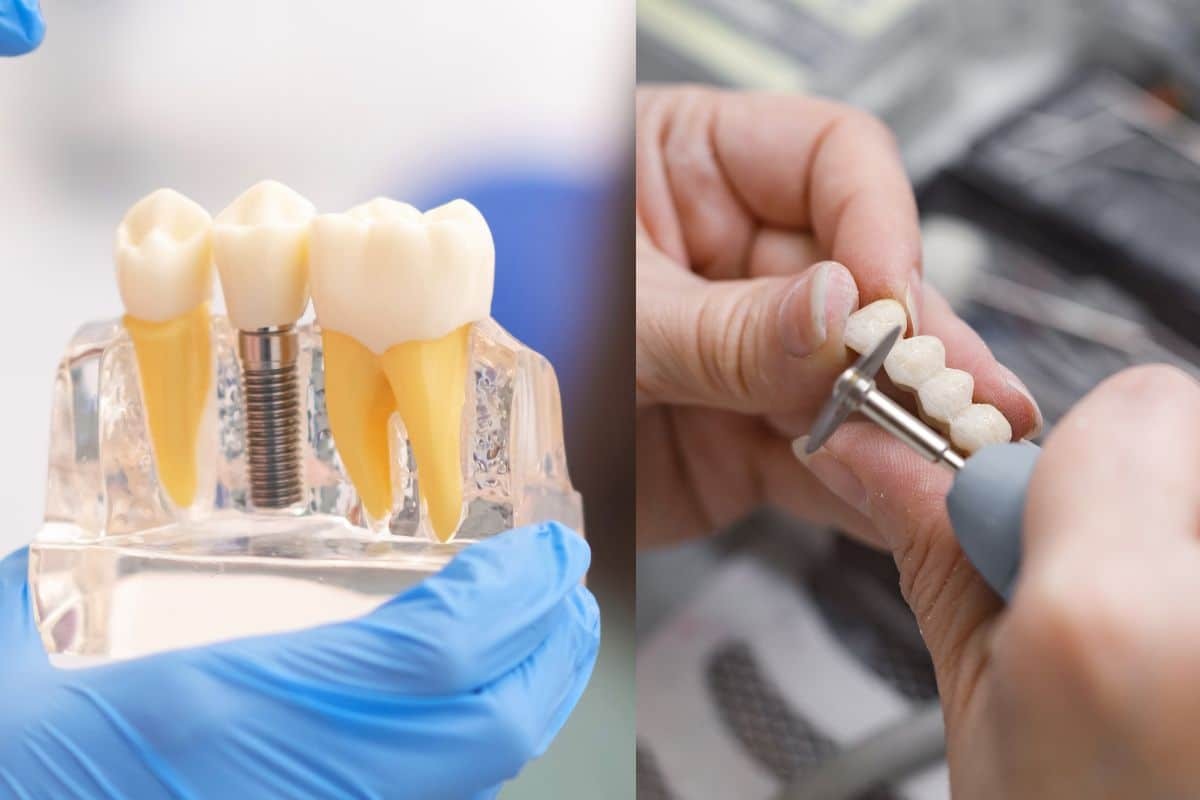
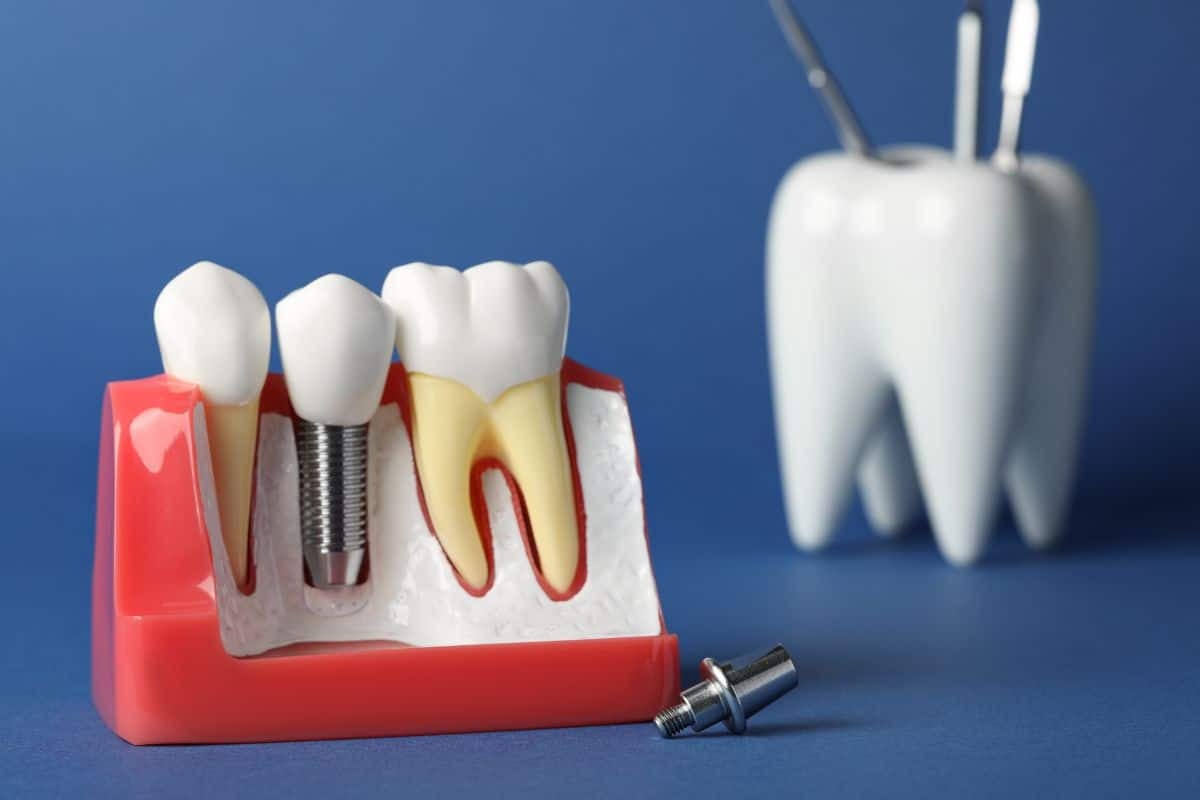
Many patients delay treatment because the problem seems manageable at first. However, missing teeth can gradually create new concerns that are harder to correct later. This is one reason implant dentistry is often recommended for long-term smile restoration. Unlike removable options, implants are designed to replace both the visible tooth and the root beneath the gumline, helping preserve natural support inside the jaw.
Smile Problems Dental Implants Can Help Solve
Missing Teeth and Visible Gaps
The most common reason people seek dental implants is tooth loss. Missing teeth often leave noticeable spaces that affect confidence during conversations, smiling, or social settings. An implant replaces the missing tooth with a restoration that blends naturally with surrounding teeth. Since the implant is anchored into the jawbone, it feels more stable than removable appliances.
For many patients in Boise, restoring a complete smile improves both appearance and comfort during daily activities.
Difficulty Chewing Certain Foods
Many people with missing teeth start avoiding foods they once enjoyed. Crunchy vegetables, meats, nuts, or chewy foods may become uncomfortable or difficult to eat. Tooth loss changes bite balance and chewing pressure. Over time, this may place extra strain on remaining teeth.
Because dental implants function similarly to natural tooth roots, they help restore stronger biting support. Patients often regain better chewing ability and feel more comfortable eating a wider variety of foods after treatment.
Teeth Shifting Out of Position
When a tooth is lost, neighboring teeth no longer have the same support system around them. This can allow nearby teeth to drift or tilt into open spaces. Shifting teeth may create spacing problems, bite changes, or even make cleaning more difficult. Food debris can become trapped in uneven areas, increasing the risk of gum irritation and decay.
Replacing missing teeth early with dental implant treatment in Boise may help reduce these changes and support a healthier bite alignment.
Changes in Face Shape After Tooth Loss
One of the less discussed effects of missing teeth is bone loss inside the jaw. The jawbone relies on tooth roots for stimulation. Once a tooth is missing, the bone beneath that area may slowly shrink over time. This can affect facial support and create a sunken or aged appearance around the mouth.
Unlike bridges or removable dentures, dental implants stimulate the jawbone because they act like artificial roots. This added support helps maintain facial structure more effectively in many cases.
Loose or Uncomfortable Dentures
Patients who wear removable dentures sometimes struggle with slipping, soreness, or movement while speaking and eating. In some situations, implant dentistry may provide added stability. Dental implants can help secure restorations and reduce movement, improving comfort during everyday activities. This can make eating, speaking, and smiling feel more natural for individuals frustrated by loose appliances.
Speech Problems Related to Missing Teeth
Teeth play an important role in speech. Missing teeth can sometimes affect pronunciation, especially when front teeth are involved. Some people notice whistling sounds, slurred speech, or difficulty pronouncing certain words clearly.
Because implants restore structure within the mouth, they may help support more natural speech patterns while also improving smile appearance.
Why Dental Implants Often Work More Effectively
Several tooth replacement options exist, but dental implants are often considered a dependable long term solution because they address problems at the source.
Instead of simply filling a visible gap, implants help restore:
- Tooth appearance
- Chewing ability
- Jawbone support
- Bite balance
- Smile stability
- Long term oral comfort
For patients looking into dental implant treatment in Boise, the goal is not only replacing a missing tooth but helping restore how the smile functions as a whole. Since every patient has different needs, a dental evaluation helps determine whether implants are the right choice based on oral health, gum condition, and bone support.
Are Dental Implants Right for Every Smile Problem?
While implants solve many concerns effectively, they are not always the best fit for everyone. Factors such as gum health, jawbone density, oral habits, and overall dental condition matter when planning treatment. Some patients may need additional procedures before implant placement, while others may benefit from different restorative options.
A consultation allows your dentist to evaluate the cause of your smile concern and recommend treatment based on your needs rather than a one size fits all approach.
Conclusion
Tooth loss can affect much more than appearance. It may influence chewing, speech, comfort, bite balance, and even facial support over time. Dental implants often provide a more complete solution by replacing missing teeth while also helping support jaw health and long term function.
If you are dealing with smile gaps, unstable chewing, or shifting teeth, learning more about implant dentistry may help you better understand your treatment options and what is possible for restoring comfort and confidence.
If missing teeth are affecting your smile or daily comfort, schedule a consultation with Summit Dental Group in Boise to learn whether dental implant treatment in Boise may be the right option for your needs.