782 S Americana Blvd, Boise, ID 83702

Dental Implants vs. Replacing a Missing Tooth With a Traditional Bridge


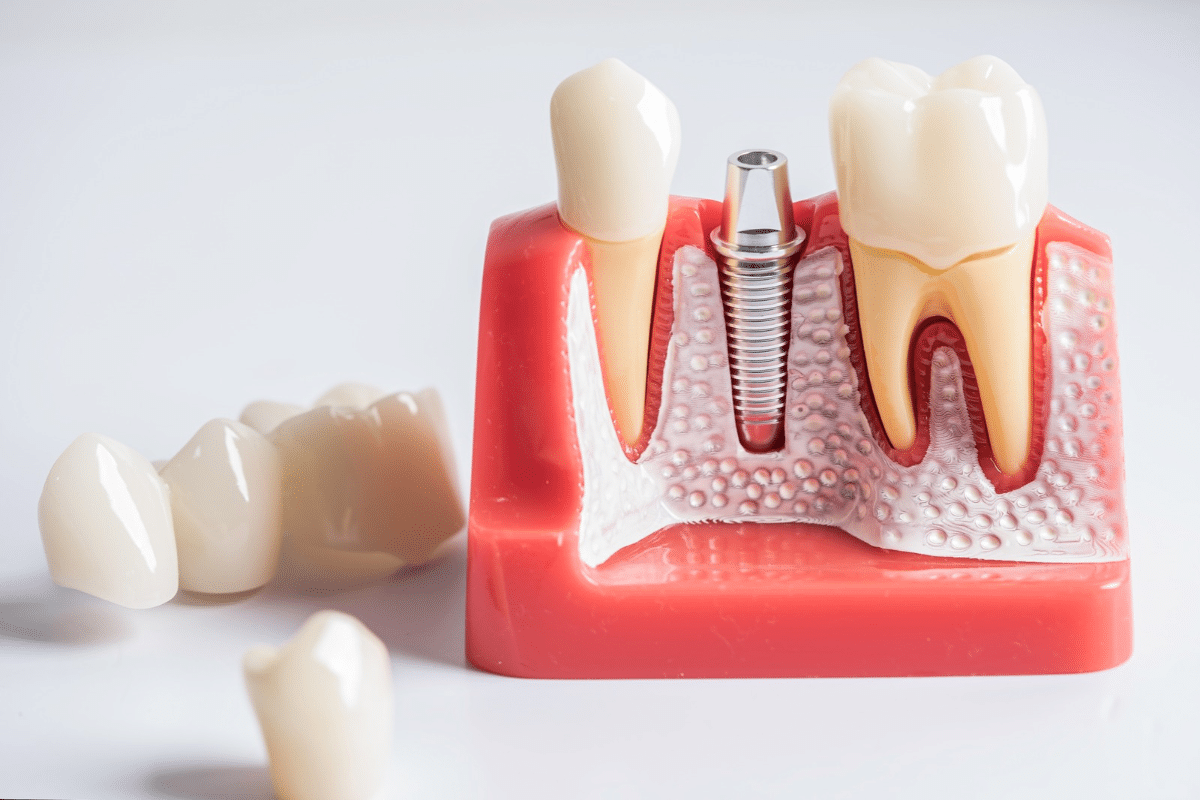
When you lose a tooth, choosing the right replacement is important for protecting your smile and maintaining good oral health. Two common options are dental implants and traditional dental bridges. While both restore the appearance and function of a missing tooth, they work differently. Dental implants replace the tooth root and support a crown independently, whereas a traditional bridge uses neighboring teeth for support. Understanding these differences can help you decide which option best fits your dental health, lifestyle, and long-term goals.
At Summit Dental Group, patients exploring dental implant treatment in Boise can discuss their tooth replacement options with an experienced dental team and receive recommendations based on their individual needs.
What Are Dental Implants?
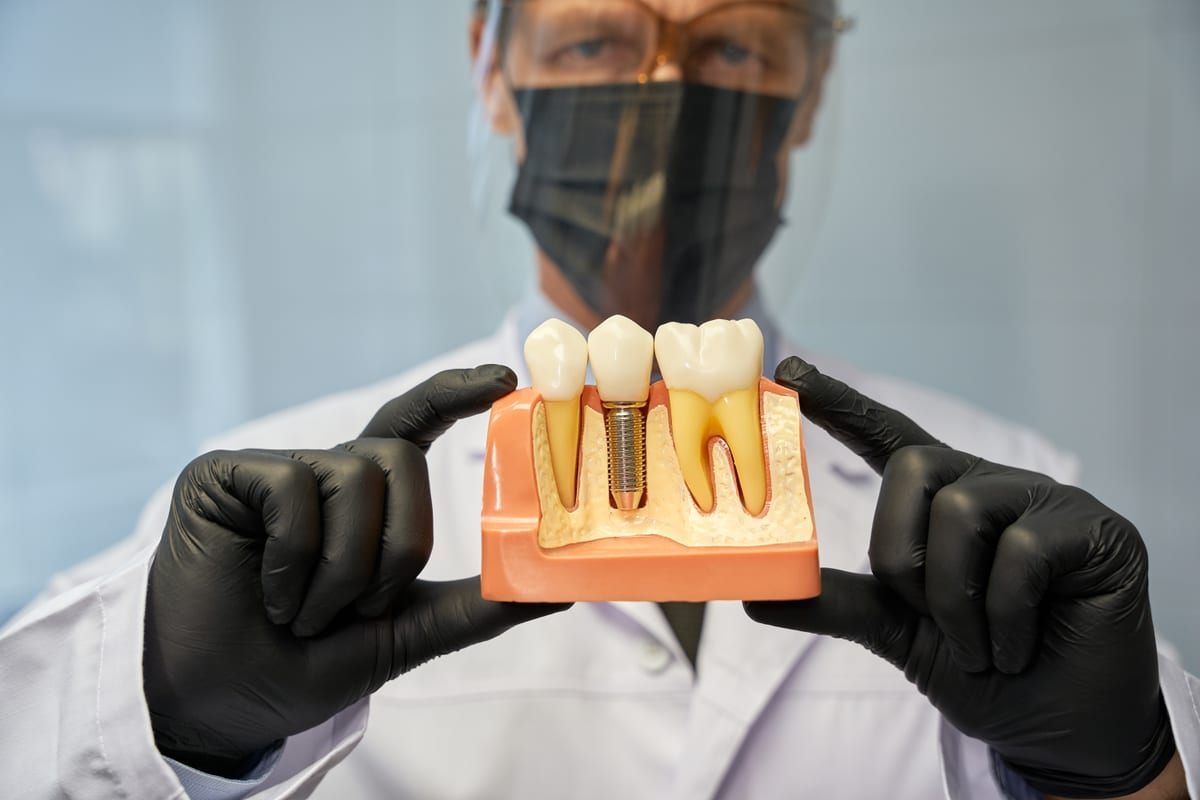
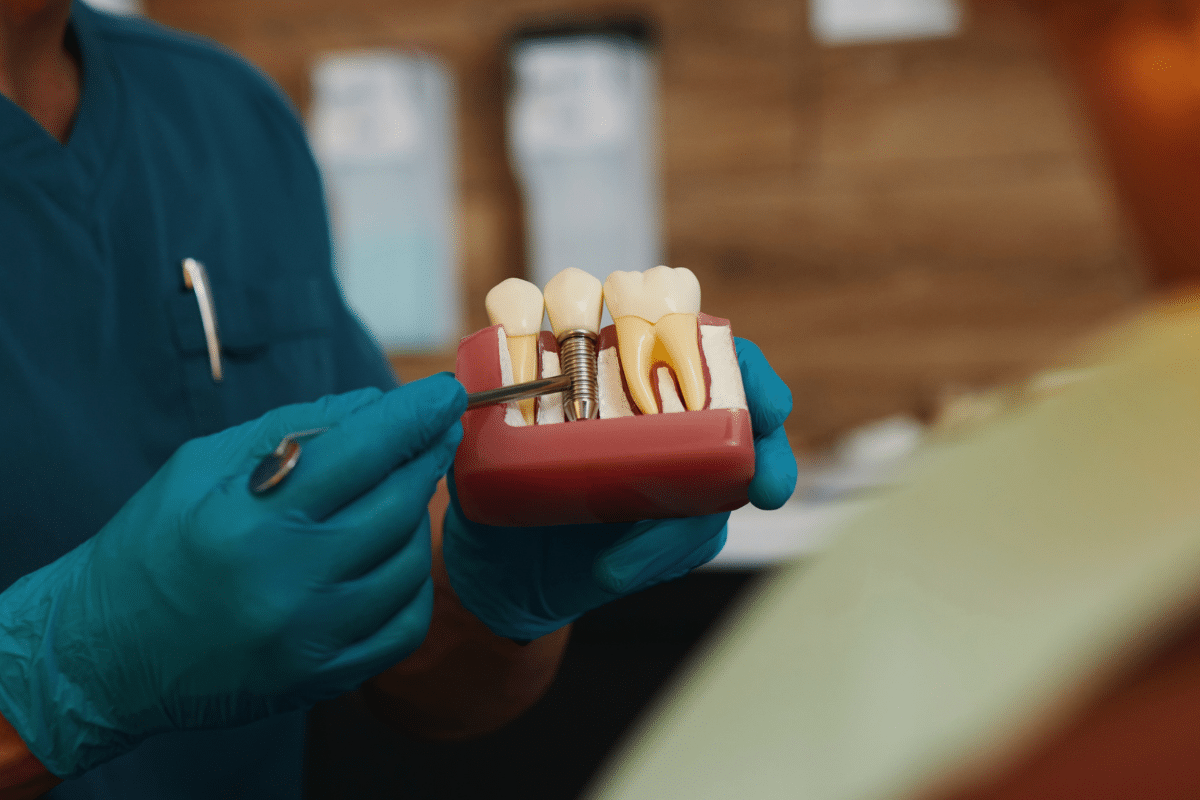
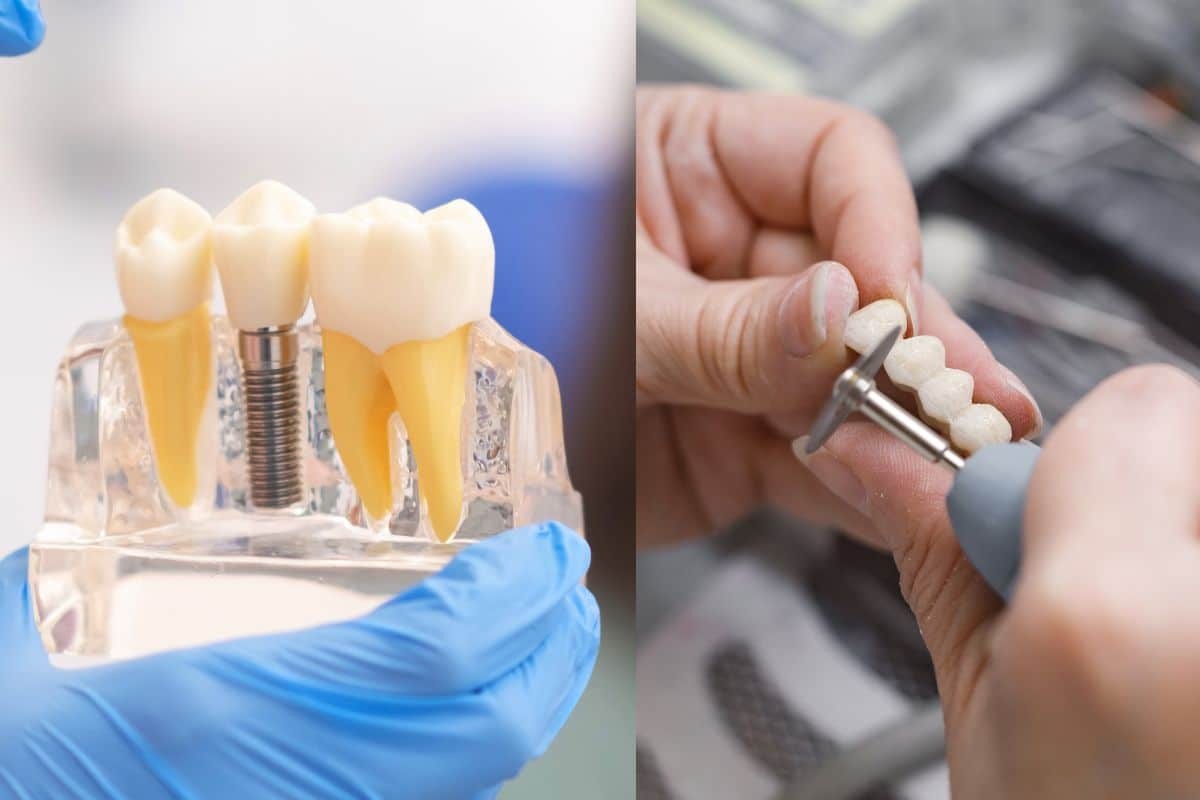
Dental implants are artificial tooth roots, typically made from titanium, that are placed into the jawbone to support replacement teeth. Once the implant integrates with the surrounding bone, a custom dental crown is attached to restore the missing tooth. One of the biggest advantages of this approach is that it replaces the missing tooth without relying on neighboring natural teeth for support.
Dental implants offer several benefits:
- Preserve jawbone structure: Implants stimulate the jawbone through chewing forces, helping reduce bone loss in the area of the missing tooth.
- Protect neighboring teeth: Adjacent healthy teeth do not need to be reshaped to support the replacement.
- Restore everyday function: Implant-supported crowns allow patients to bite and chew comfortably.
- Provide a natural appearance: Custom crowns are designed to complement the shape and color of surrounding teeth.
- Offer long-term durability: With proper placement, daily care, and regular dental visits, implants can serve as a long-lasting tooth replacement.
How Does a Traditional Dental Bridge Work?
A traditional dental bridge replaces a missing tooth by connecting an artificial tooth, called a pontic, to crowns placed over the neighboring teeth. These supporting teeth act as anchors and hold the replacement securely in position.
Unlike removable dentures, a traditional bridge stays fixed in the mouth and does not need to be taken out for daily cleaning.
Some advantages of dental bridges include:
- No implant surgery: A bridge does not require placing an artificial root into the jawbone.
- Faster treatment: Many traditional bridges can be completed in a few dental appointments.
- Restored chewing ability: A properly fitted bridge helps restore function when eating.
- Suitable for certain dental conditions: Patients who are not good candidates for implant surgery may benefit from a bridge.
However, traditional bridges require the supporting teeth to be reshaped to accommodate dental crowns. This means healthy tooth structure may need to be removed, even when those teeth do not have existing damage.
Additionally, the jawbone beneath the missing tooth does not receive the same stimulation it would from a natural tooth root or implant.
Dental Implants vs. Traditional Bridges: Key Differences
Although both treatments replace missing teeth, their differences can influence your long-term dental health.
1. Impact on Neighboring Teeth
Dental implants function independently. They do not depend on adjacent teeth for stability, allowing those teeth to remain largely untouched. Traditional bridges require support from neighboring teeth. The supporting teeth must be prepared for crowns, which involves removing some natural enamel.
2. Jawbone Preservation
When a tooth is lost, the jawbone beneath it may gradually shrink because it no longer receives stimulation from the tooth root. An implant replaces the root and transfers chewing forces to the jawbone, helping maintain bone structure. A traditional bridge fills the visible gap but does not replace the missing root.
3. Treatment Time
Dental implant treatment generally takes longer because the implant needs time to integrate with the jawbone before the final crown is attached. Healing may take several months, depending on the patient’s condition and whether additional procedures are necessary. A traditional bridge usually takes less time. Once the supporting teeth are prepared, impressions or digital scans are used to create the restoration.
4. Maintenance and Longevity
Both options require consistent oral hygiene and professional dental care. Implants can be brushed and cleaned much like natural teeth, although the surrounding gum tissue still needs attention. Bridges require additional cleaning underneath the artificial tooth to prevent plaque accumulation and gum problems. The lifespan of either restoration depends on oral hygiene, bite forces, dental health, and regular maintenance.
Which Tooth Replacement Option Is Right for You?
The best choice depends on several factors, including your jawbone health, the condition of neighboring teeth, overall oral health, and treatment preferences.
Dental implants may be worth considering if you:
- Have sufficient jawbone to support an implant or can undergo bone grafting if needed.
- Want to replace a missing tooth without altering neighboring healthy teeth.
- Prefer a restoration that replaces both the visible tooth and its root.
- Are comfortable with a longer treatment and healing period.
A traditional bridge may be more appropriate if you:
- Have neighboring teeth that already need crowns.
- Prefer to avoid implant surgery.
- Want a tooth replacement completed in a shorter timeframe.
- Have certain medical or anatomical factors that make implant placement less suitable.
A dental examination, along with appropriate imaging, can help determine which treatment is likely to provide the best outcome.
Restore Your Missing Tooth With the Right Treatment Plan
Replacing a missing tooth is about more than filling an empty space. It also involves protecting neighboring teeth, maintaining jawbone health, and restoring comfortable chewing function. Dental implants provide an independent replacement that helps preserve the underlying bone, while traditional bridges offer a fixed solution supported by adjacent teeth. Neither option is automatically right for everyone. Your existing dental health and long-term needs should guide the decision.
If you are considering tooth replacement, schedule a consultation with Summit Dental Group in Boise, Idaho. Discuss your concerns, explore the available restorative options, and determine whether dental implants or a traditional bridge is the right choice for your smile.