782 S Americana Blvd, Boise, ID 83702

How Do Dental Implants Improve Chewing And Speaking Compared To Dentures?


Losing one or more teeth can make eating or speaking a challenge — leftover food slipping out, dentures shifting, unclear speech, and worrying about chewing your favorite foods. If you have experienced that, you know how disruptive it can be to daily life. For many patients considering long-term solutions, dental implants can effectively restore a smile, confidence, and function that closely resembles natural teeth.
But what makes implanted teeth so different from false teeth in terms of crunchy foods or speaking clearly? This blog has the answer to that.
Why Do Dentures Often Fall Short?
Removable dental devices rely on suction or adhesive. As a result, they can loosen or shift during meals, conversation, or even smiling. This movement affects chewing force, limits food choices, and can make speech sound unclear. Over time, they also cause the jawbone to shrink, worsening their fit and comfort.
Because dentures cover a large portion of the palate, patients might also experience reduced taste sensitivity and discomfort from rubbing against the gums. These limitations prompt many to seek alternatives that feel more secure and natural.
How Implants Offer Superior Stability And Function
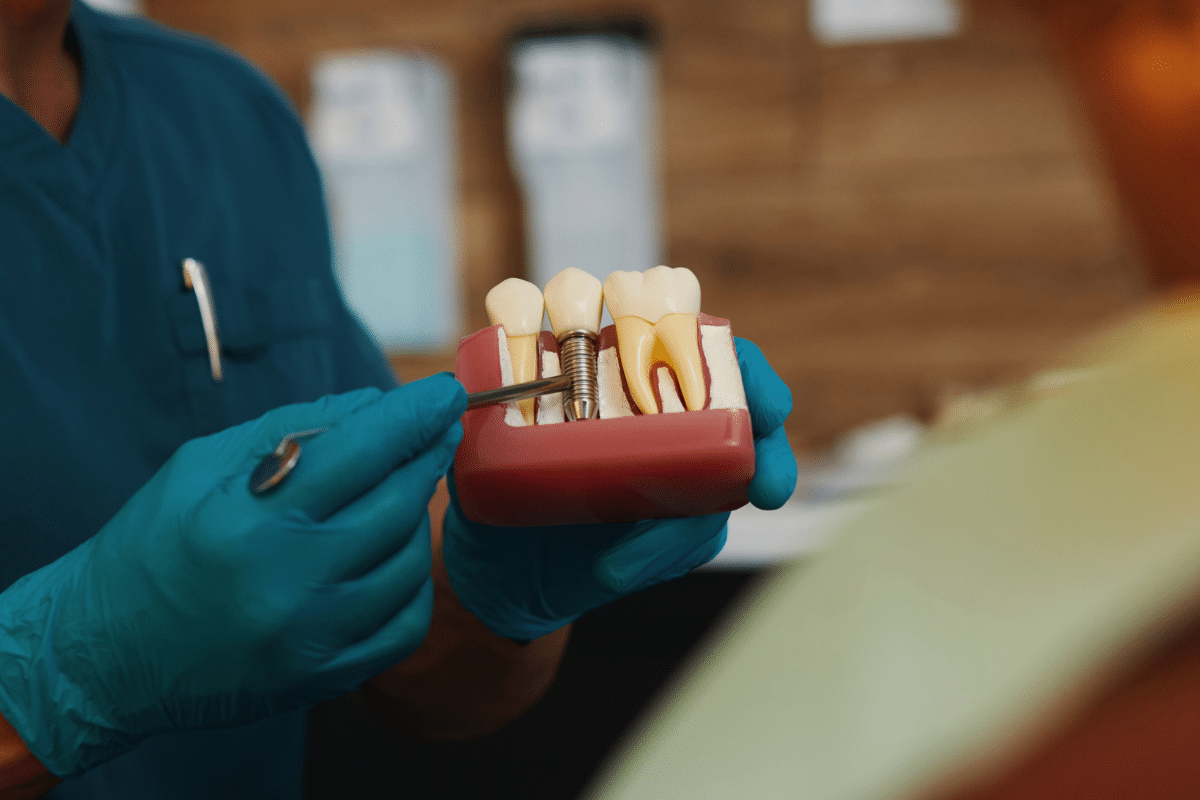
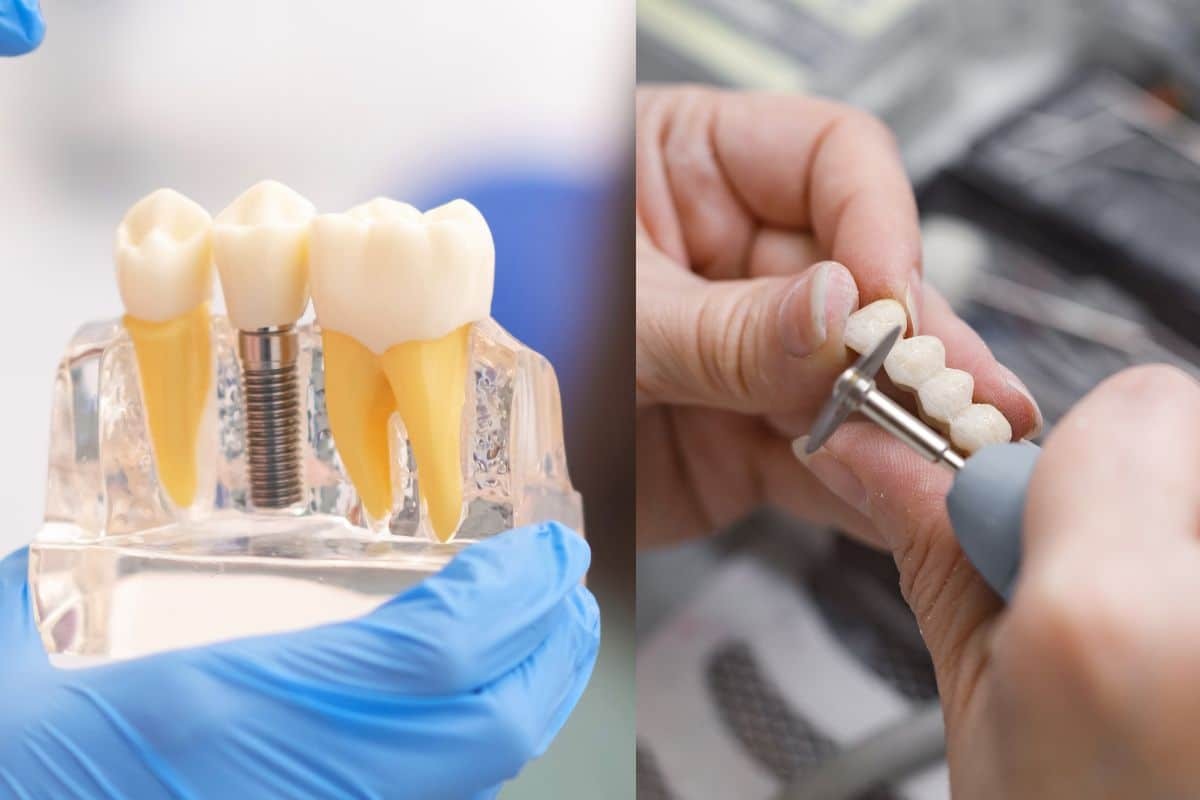
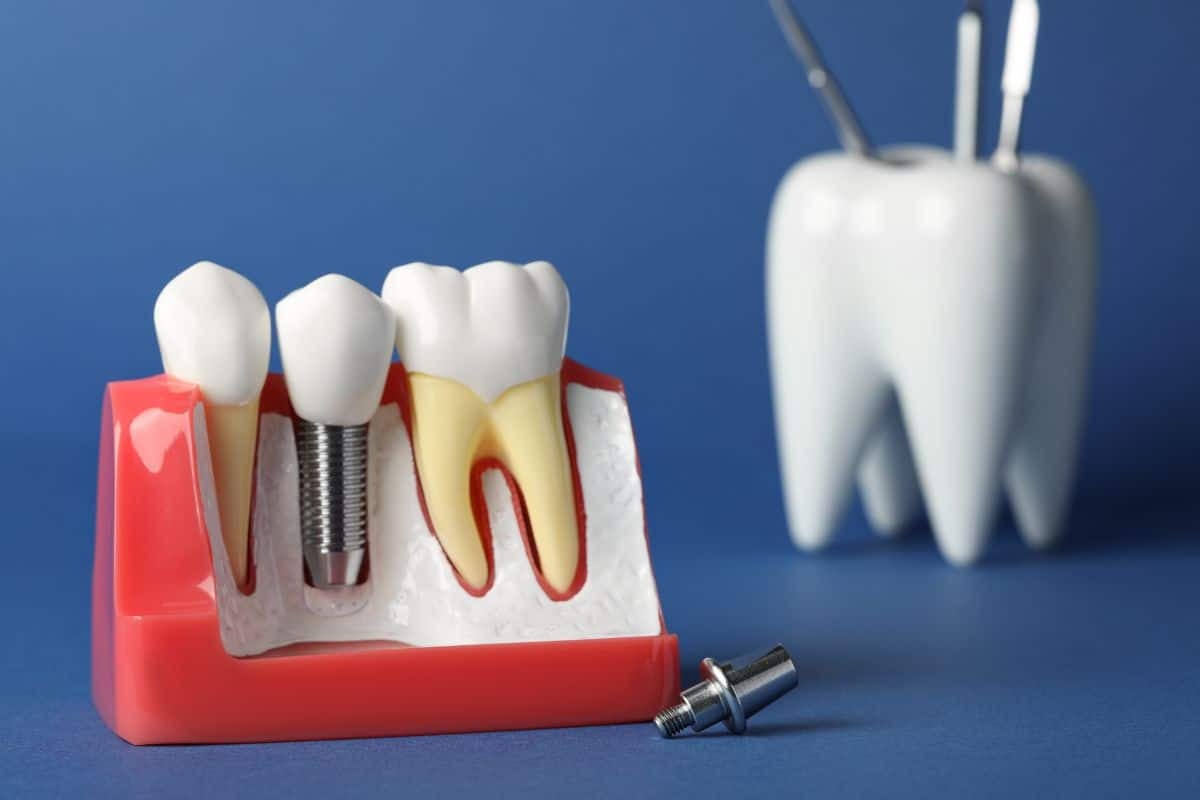
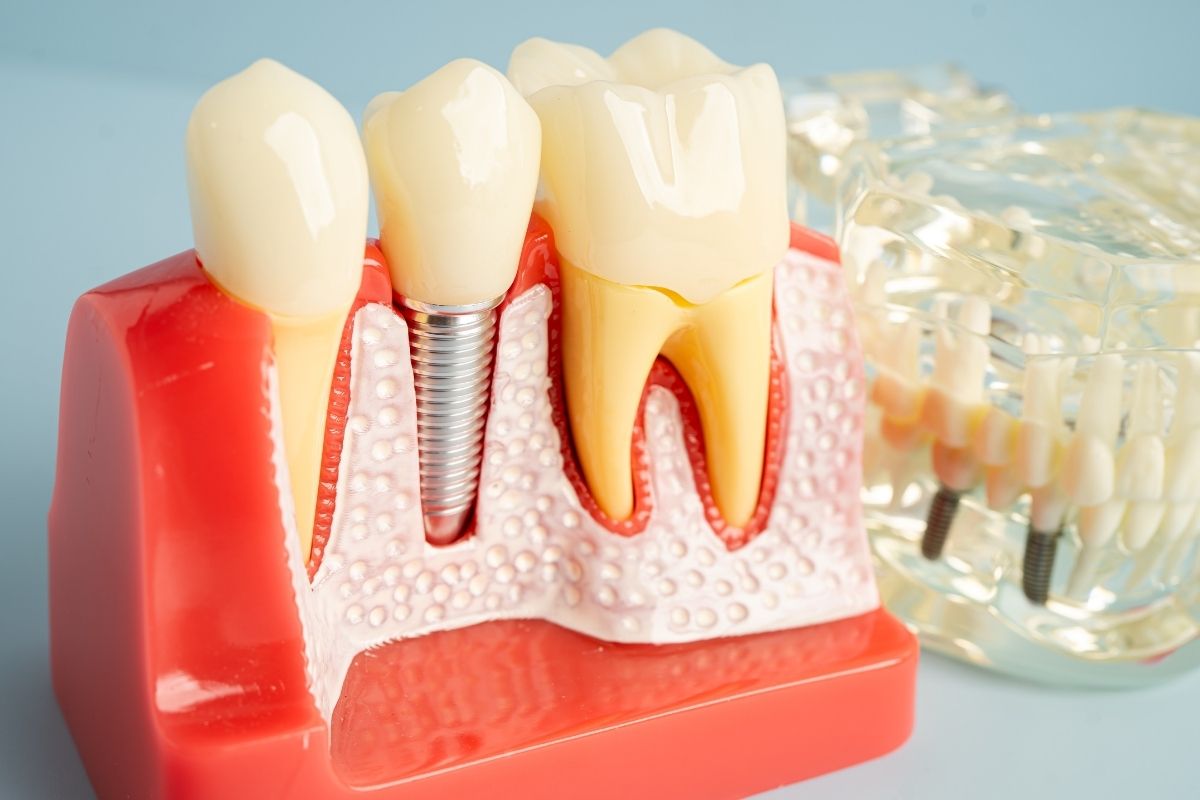
Dental implants in Boise integrate with the jawbone and act like artificial tooth roots. This strong foundation provides replacement teeth with stability comparable to natural teeth. As a result, patients regain enough biting force to enjoy a wide variety of foods, from steak to crunchy vegetables, without worrying about their teeth slipping. This benefit is often emphasized in educational resources explaining the benefits of permanent tooth replacement.
With prosthetic teeth, speech also improves. When teeth are fixed in place, tongue movement normalizes, reducing slurring or clicking sounds. Many patients notice clearer pronunciation and confidence when speaking in social or professional settings.
In fact, permanent tooth replacements are among the most effective ways a dentist can improve your smile. It provides both functional benefits (such as chewing) and aesthetic improvements, giving you back the confidence to speak and the ability to eat comfortably.
Who Benefits Most From An Implant‑Based Solution?
Artificial tooth roots are particularly beneficial for individuals who:
- Want a stable biting force to enjoy a full variety of foods.
- Struggle with replacement teeth instability — slipping, sore spots, adhesive dependence.
- Need clear, confident speech for social or professional settings.
- Are concerned about long‑term jawbone health and facial structure.
- Prefer a “set‑and‑forget” solution over the ongoing maintenance dentures require.
Of course, suitability depends on jawbone density, general oral health, and other factors. However, for many, implants check the box that removable teeth fall short of.
A Lasting Solution That Restores Normal Function
When you choose dental implants, you are not just replacing missing teeth. In the long run, you are restoring the ability to chew comfortably, speak confidently, and maintain oral health. Fixed, stable, and natural‑feeling implanted teeth often outperform dentures in function, comfort, and durability.
If you have been limiting your diet, avoiding certain foods, or struggling to speak freely with false teeth, consider our treatment of dental implants in Boise, an alternative you have been looking for. Schedule an appointment or visit our dental office at Summit Dental Group for an evaluation. Our professionals will help determine if you are a good candidate and restore strength, comfort, and confidence to your everyday life.
FAQs
Do implants make chewing easier than dentures?
Yes. Permanent tooth replacements offer far greater stability, allowing near-normal biting strength. False teeth often shift during meals, while fixtures stay fixed for a more natural chewing experience.
Will implants improve my speech?
In most cases, yes. Because fixed dental prosthetics do not move, they support clearer pronunciation and reduce the slurring or clicking often associated with unstable replacement teeth.
Are implants maintained differently than dentures?
Artificial tooth roots are cared for like natural teeth with brushing and flossing. Dentures require adhesive, removal, and soaking, which implants eliminate.
Can implants prevent bone loss?
Yes. Implanted dental prostheses stimulate the jawbone the way natural roots do, helping prevent the shrinking that occurs after tooth loss.
Are implants comfortable compared to false teeth?
Most people find implants significantly more comfortable because they don’t rub against the gums or shift unexpectedly. They feel secure and natural once healed.