782 S Americana Blvd, Boise, ID 83702

How Successful Is Root Canal Treatment In Saving Natural Teeth?


When a severely damaged tooth threatens your smile, the choice between preservation and extraction weighs heavily on patients in Boise and beyond. Root canal treatment in Boise stands as a proven, highly effective procedure for such dental conditions. Further, it prevents the need for removal and restores full function. This procedure has preserved natural teeth for countless individuals, delivering long-term results without more invasive alternatives.
Recommended for a root canal? Its success rate exceeds 95%, with most teeth thriving for a decade or longer when properly cared for. This guide details how the procedure works, what outcomes to expect, and why it often proves to be the optimal path to safeguarding your natural smile.
What Is Root Canal Treatment?
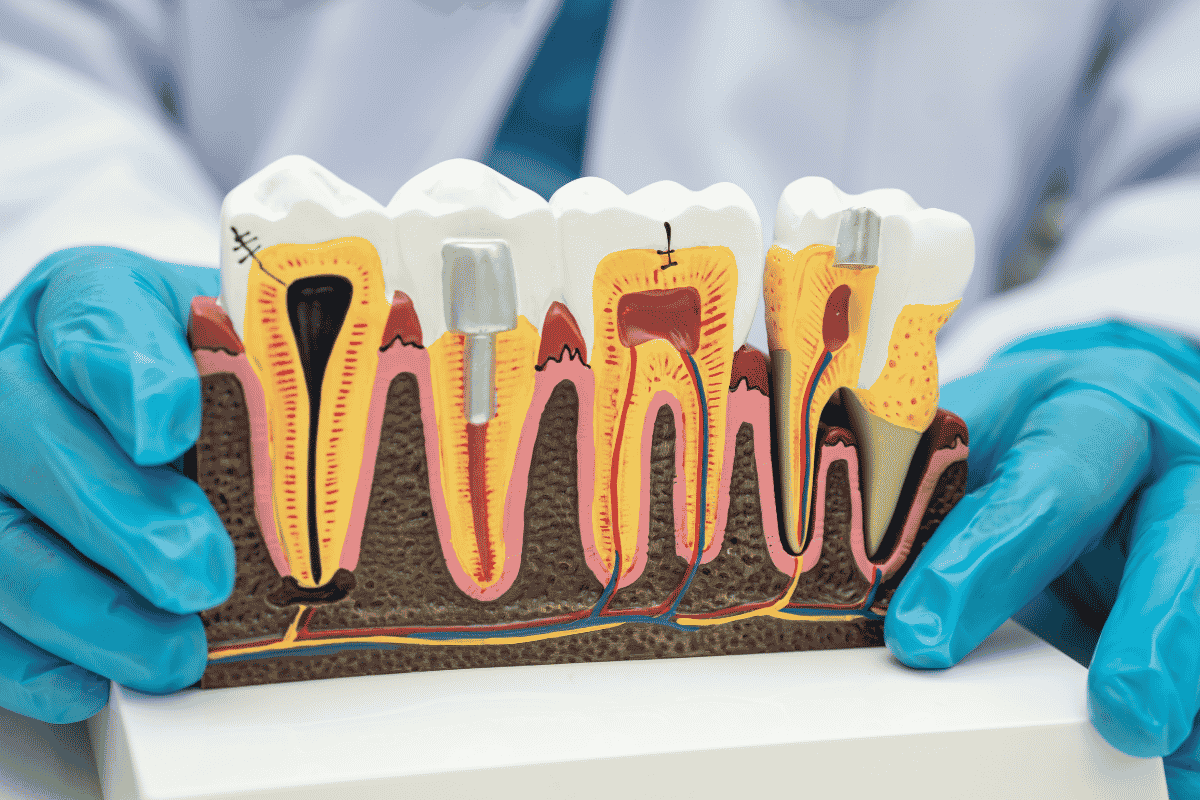
Endodontic surgery is recommended to remove the infected or damaged pulp from inside the tooth. The tooth pulp consists of nerves, blood vessels, and connective tissue. When this pulp becomes infected due to decay or injury, it can cause pain, swelling, and even abscesses. During the surgery, your Boise dentist will clean and seal the tooth to protect it from further damage. This saves the tooth from being extracted and can restore your bite and function.
Why Choose Root Therapy Over Tooth Extraction?
While tooth extraction may seem like a quick fix, it’s not always the best long-term solution. Missing teeth can lead to misalignment, difficulty chewing, and other issues that affect your bite. Root therapy allows you to keep your tooth and avoid the complications that come with tooth loss. Here’s why opting for it is a better solution:
- Preserve Your Natural Tooth: The treatment helps maintain the integrity of your smile and your overall oral health.
- Maintain Proper Function: Keeping your teeth avoids bite misalignment that could occur due to missing teeth.
- Save Money In The Long Term: Root canal treatment in Boise is often more cost-effective than tooth-replacement options such as implants or bridges.
In Boise, where many enjoy seasonal activities like snowboarding or attending the Idaho Shakespeare Festival, keeping your natural tooth ensures your smile stays intact, no matter what the day holds.
How Effective Is Endodontic Treatment In Saving Teeth?
Pulp removal has a 95% success rate when performed correctly.
However, the longevity of the treated tooth depends on various factors, such as the extent of the infection, the health of the remaining tooth structure, and aftercare. Most teeth that undergo this surgery can last 10-15 years or even longer with proper maintenance. After treatment, you’ll usually need a dental crown to restore the tooth’s function and appearance.
If you’re interested in learning everything you need to know about root canals, understanding the procedure’s effectiveness and longevity is key. With proper care and follow-up, many patients enjoy their treated teeth for many years.
The Role Of Dental Crowns Post Pulp Extraction
After your nerve treatment, a tooth crown is often necessary. It protects the tooth from further damage and restores its structure. The cap fits over the remaining part of your tooth, strengthening it and preventing the tooth from breaking or decaying further. Here’s what you can expect after receiving capped teeth:
- Restores Strength: Crowns are made of durable materials such as porcelain, metal, or a combination of both.
- Improves Aesthetics: Crowns are custom-made to match your natural teeth, ensuring a seamless look.
- Long-Term Durability: With proper care, crowns can last 10-20 years, protecting your tooth for the long run.
Just like taking a stroll through Julia Davis Park or attending First Thursday art walks, your dental cap helps ensure your smile lasts for years, making these activities more enjoyable.
What Are The Risks Of A Dental Root Procedure?
Like any medical procedure, RCT carries risks. However, these risks are relatively rare, especially when performed by a qualified dental care professional in Boise. Some of the potential risks include:
- Infection: If the infected area isn’t properly sealed, bacteria can reinfect the tooth.
- Tooth Fracture: If the tooth was severely damaged before surgery, it may remain vulnerable to fracture.
- Delayed Healing: In rare cases, the tooth may not heal properly, necessitating further treatment.
Aftercare: How To Maintain The Health Of Your Root Canal-Treated Tooth?
After receiving an endodontic therapy, proper aftercare is essential to ensuring the long-term success of the treatment. Here’s how to care for your tooth:
- Brush And Floss Regularly: Good oral hygiene is crucial to prevent further decay or infection.
- Avoid Hard Foods: Be gentle with the treated tooth until the final crown is in place.
- Attend Regular Checkups: Your local dentist will monitor the treated tooth and replace the crown if necessary.
When Is It Time To Visit A Dentist For Root Therapy?
Visit our dental office in Boise for an evaluation if you notice any of the following symptoms:
- Severe tooth pain when chewing or touching the tooth.
- Prolonged sensitivity to hot or cold temperatures.
- Swelling or tenderness near the affected area.
Book An Appointment For Pain-Free Root Canal Treatment In Boise
Schedule an appointment for pain‑free root canal treatment and place your oral health in trusted, professional hands. Our team is committed to delivering precise, gentle care that preserves your natural tooth and restores optimal function with lasting results. From diagnosing the source of discomfort to placing a protective restoration, every step is guided by clinical excellence and patient‑centered attention. Trust us to protect your tooth and your smile and proceed with confidence in a treatment plan curated for long‑term oral health and comfort.
FAQs
How likely is it that a root canal will save my tooth?
Endodontic therapy has a high success rate, typically between 85% and 97% when the procedure is well‑performed. With proper restorative care and oral hygiene, many treated teeth remain functional for decades or a lifetime.
Can a tooth still get infected after an endodontic therapy?
Yes, reinfection can occur if canals are incompletely cleaned, restorations leak, or oral hygiene is poor. Timely follow‑up and a well‑sealed crown help reduce the risk of new infection around the treated tooth.
How long does a tooth last after a root canal?
Many root‑canal‑treated teeth survive 10–20 years or longer when supported by a good crown and routine care. Longevity drops if the tooth cracks, decays, or lacks a protective restoration on the biting surface.
Will the tooth feel weaker after a root therapy?
The tooth can become more brittle because the pulp is removed, and some structure is lost during access. A crown or onlay is typically placed afterward to reinforce the tooth and protect it from fracture.
What are the signs a root treatment might be failing?
Pain, swelling, or tenderness in the area, or a new abscess near the treated tooth, may signal failure. Changes on X‑ray around the root tip or persistent discomfort during chewing also warrant prompt re‑evaluation.