782 S Americana Blvd, Boise, ID 83702

How Your Dentist Can Help with Oral Cancer Prevention?


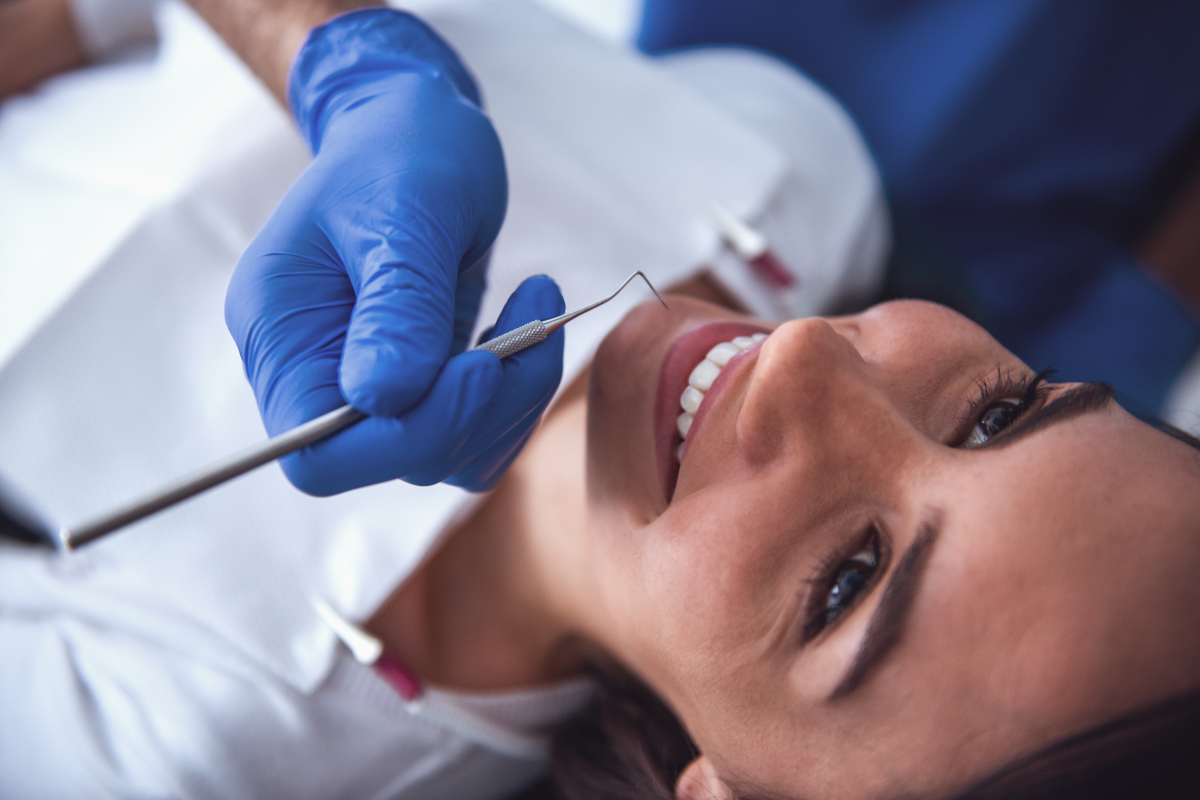
Do you only focus on the outer appearance of teeth and not on other areas in your oral cavity? Mouth cancer is a serious issue that is often diagnosed at a later stage due to ignoring routine dental care. Many Americans develop oral cancer, but not everyone visits the dentist for timely diagnosis and treatment planning.
Do you belong to this category and suspect a cancerous growth in your mouth? Early detection of oropharyngeal cancer can reduce the risk of spreading. Read this blog to identify the signs and when to consult with a dentist to address or prevent oral cancer.
Signs That Indicate You Have Oral Cancer
It is easy to dismiss a sore spot or minor swelling in the mouth. However, specific symptoms need serious and immediate attention from a dental practitioner, which include:
- Patches that are red, white, or speckled
- A sore that does not heal within two weeks
- Pain when swallowing
- A lump in the cheek or neck
- Numbness or tingling anywhere in the mouth
- Voice changes that last longer than expected
If you notice any of these symptoms, especially if they persist, schedule a checkup with our dentist in Boise. You can rely on them to recommend more advanced diagnoses and treatments to combat mouth cancer.
Does Your Dentist Detect Oral Cancer Early?
Cancer of the mouth and throat often develops without pain or warning. That is what makes it so dangerous or life-threatening for some individuals. Remember, your routine dental visits are not just about cleaning teeth. These consultations help your dentist identify the subtle signs and prevent oral cancer from worsening further. Moreover, their role is not limited to treating cavities but also involves detecting cancerous growths in the mouth during evaluation.
During an oral cancer screening, your specialist looks closely at:
- Inside the cheeks and lips
- The roof and floor of your mouth
- The tongue’s top, sides, and underside
- Throat, tonsils, and soft palate
- Jaw movement and salivary glands
They also check for abnormal patches, swelling, unexplained bleeding, and sores that do not heal. If there are changes in your oral tissues, it can indicate cancer.
Tools That Help Detect Mouth Cancer
Some dentists may use specialized tools during the screening. These might include:
- Fluorescent lights that highlight abnormal tissues
- Toluidine blue dye, which can stain suspicious areas
- Brush biopsies for painless sampling of surface cells
These techniques help highlight changes that are invisible to the naked eye, especially in patients with higher risk factors.
Role of Your Dentist in Patient Education and Risk Reduction
Dentists do not just detect problems but work with patients to reduce the risk of developing cancer in the first place. If you smoke, chew tobacco, or drink alcohol heavily, they are likely to recommend quitting these habits. They may recommend smoking cessation programs or suggest alternatives to alcohol use to prevent mouth cancer.
For younger patients, there may be a conversation about the human papillomavirus and how HPV vaccination can reduce cancer risks. Your Boise dentist may even provide insights into sun protection for the lips and offer tips on enhancing your oral hygiene routines.
Who Is Mostly at Risk of Developing Mouth Cancer?
Some individuals face a higher risk of developing cancer in the mouth and surrounding oral tissues. Men are more likely than women to be diagnosed with this abnormal growth in the oral cavity. Smoking, chewing tobacco, and heavy alcohol use are all major contributors to this severe condition.
Get Screened for Oral Cancer at Our Office
Some risk factors are beyond your control, like age or genetics, which often contribute to oral cancer. However, avoiding tobacco, limiting alcohol, maintaining good hygiene, and eating a balanced diet can help prevent the long-term impact. Vaccination against HPV is another powerful tool, especially for younger people. Discuss these essential aspects with a dentist at Summit Dental Group for timely oral cancer screening and prevention.
Are you ready to spot small changes in your mouth through early diagnosis and prevent them from turning into something more serious? Book an appointment with Dr. Carson Mooney today!