782 S Americana Blvd, Boise, ID 83702

Is Getting a Dental Implant Possible After Bone Loss


Dental implants are one of the most effective and long-lasting solutions for tooth replacement. However, for individuals who have experienced significant bone loss in their jaw, the question arises whether they can still get it. The good news is that yes, it is possible, even with bone loss, but the process might be more complex and involve additional procedures. If you are considering dental implants and are concerned about bone loss, visit a dental practice for a professional consultation.
At our dental clinic in Boise, we specialize in providing comprehensive dental care. This includes solutions for those with bone loss, ensuring our patients can enjoy the benefits of dental restorations. This blog explains getting them after bone loss, covering steps and treatments. Learn why you don’t have to worry about missing out on a functional and aesthetic smile.
Understanding Bone Loss and Its Impact on Dental Restorations
Before exploring how prosthetic teeth can be placed after bone loss, it’s important to understand what bone loss means and why it occurs. Bone loss in the jaw typically occurs when teeth are missing for an extended period. This causes the bone to deteriorate because it no longer receives the stimulation from the tooth roots. This can affect your ability to get a dental implant, as it requires sufficient bone structure to securely hold it in place.
What Causes Bone Loss?
Bone loss can be caused by many factors. Here they are:
- Tooth loss: When a tooth is missing, the bone beneath it begins to lose its structure over time.
- Gum disease: Periodontal disease can lead to bone loss in the jaw.
- Injury: A trauma to the jaw or teeth can cause bone damage and loss.
- Age: As people age, their bone density naturally decreases, which can contribute to bone loss in the jaw.
How Bone Loss Affects Your Ability to Get Prosthetic Teeth?
Dental restorations rely on a solid foundation of bone to be placed properly. When there is insufficient bone, it can hinder successful placement, as the fixture may not fuse with the bone as intended. In these cases, the procedure may involve additional steps, such as bone grafting, to restore the jawbone’s strength and volume.
Can Dental Implants Be Placed After Bone Loss?
Yes, prosthetic teeth can still be placed even after bone loss, but they require a specific technique and a detailed treatment plan. One of the most common procedures to address bone loss is bone grafting. This involves taking bone from another part of your body or using synthetic materials to add volume to the jawbone. Over time, the grafted material integrates with your natural bone, providing a stable base for the fixture.
The Process of Getting a Dental Restoration After Bone Loss
When getting a permanent tooth replacement after bone loss, the treatment is typically broken down into several stages. Below is a general overview of the steps involved:
Consultation and Evaluation
The first step is to visit our dental implant provider in Boise for a consultation. During this visit, the dentist will conduct an evaluation of your oral health, including X-rays or 3D scans of your jaw. This helps determine the extent of the bone loss and whether bone grafting or another procedure will be needed.
Bone Grafting (If Necessary)
If your jawbone has suffered significant loss, your dental professional may recommend a bone graft. This procedure helps rebuild the jawbone and ensure that it is strong enough to support a dental restoration.
Placement
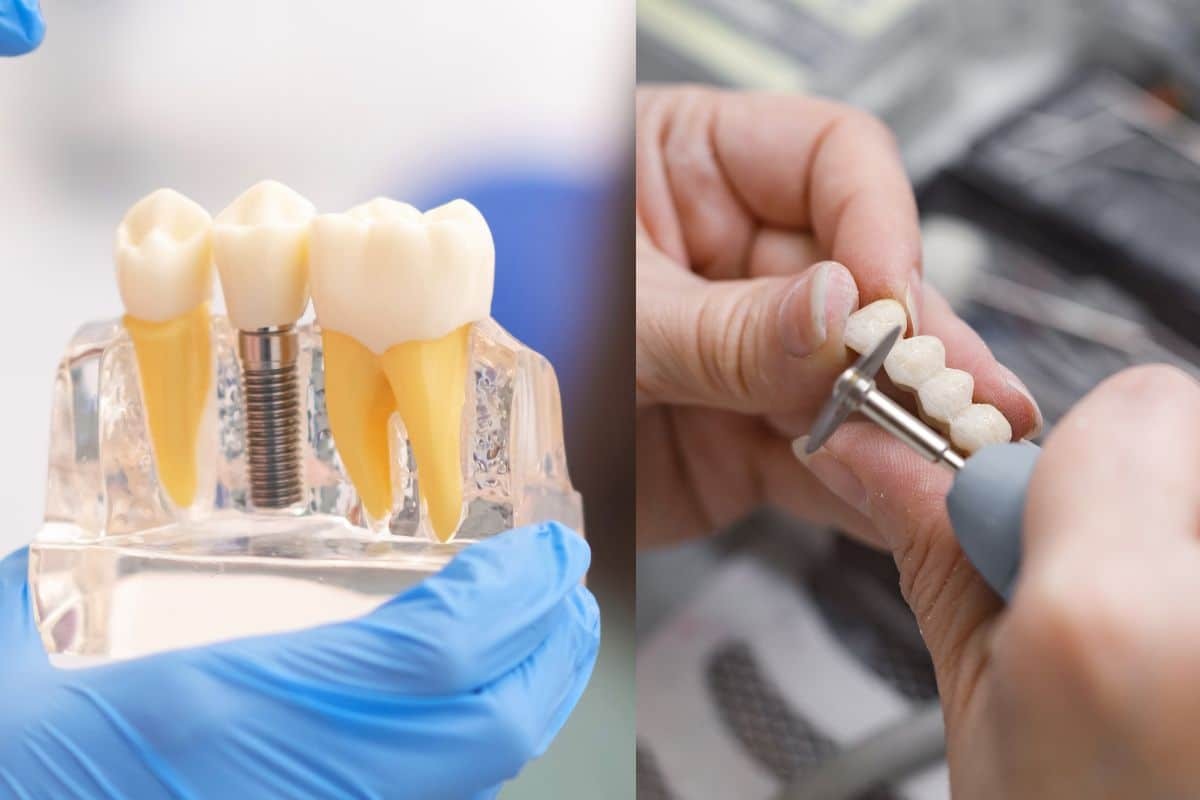
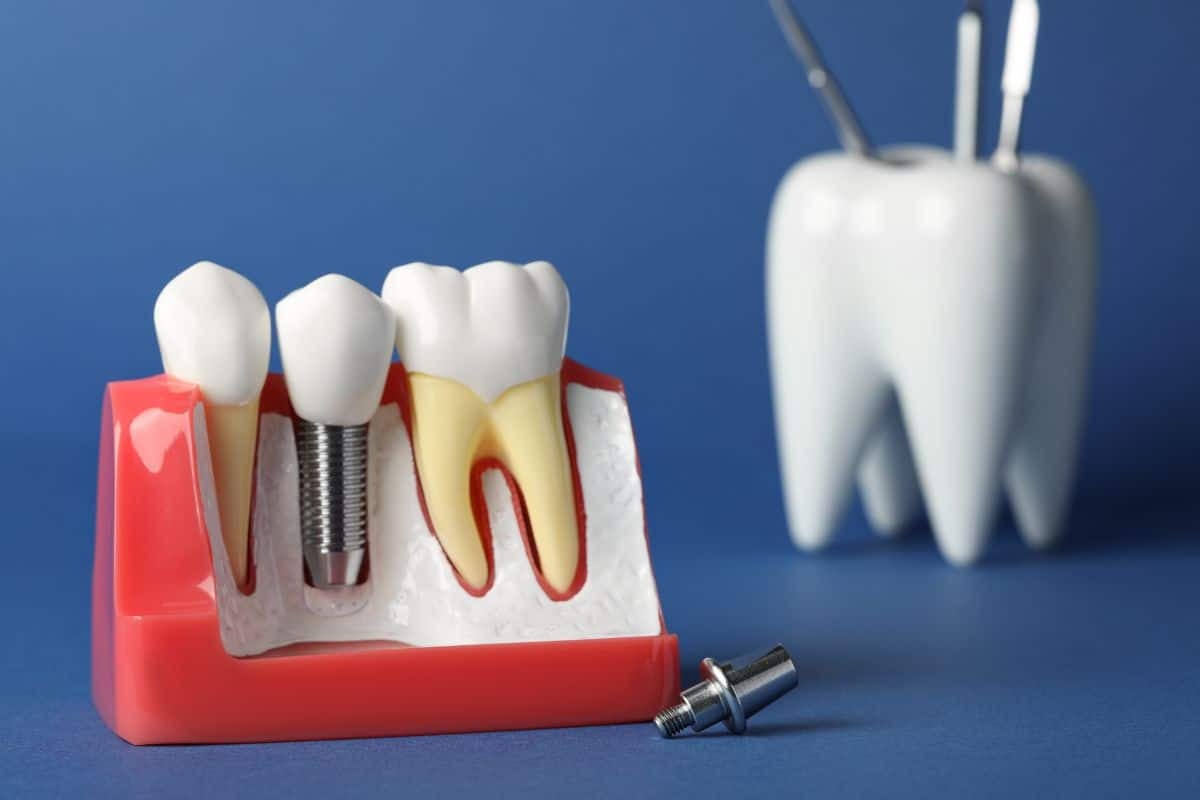
Once the graft has healed, the dental care provider will proceed with the placement of the prosthetic teeth into your jawbone. The fixture serves as an artificial tooth root, providing a stable foundation for a crown.
Healing and Integration
After the restoration is placed, it requires a healing period of several months, during which time the bone will fuse with this through a process known as osseointegration. This is crucial for the long-term success and stability of the fixture.
Final Restoration
Once the prosthetic teeth are securely integrated with the bone, your oral practitioner will place a custom-made crown, bridge, or denture on top. This completes the restoration.
How Long Will a Dental Implant Last?
One of the most significant benefits of dental restorations is their longevity. With proper care, they can last a lifetime. The longevity of dental implants is one of the primary reasons why they are considered a top choice for tooth replacement. Factors that influence longevity:
Oral hygiene
Regular brushing, flossing, and professional cleanings are essential practices that help maintain the health and longevity of these restorations. Consistent oral hygiene routines prevent plaque buildup and reduce the risk of infection. This ensures that the permanent tooth replacement remains secure and functional over time.
Bone quality
The success of this treatment largely depends on the quality of the surrounding bone tissue. This specifically refers to its strength and density, as these factors are crucial for ensuring proper osseointegration and long-term stability of the fixture.
Lifestyle habits
Habits like smoking and drinking too much alcohol can really impact how long your dental restorations last and how well they do over time. Taking care of these habits can help ensure they stay healthy and last a long time.
By following professional advice and maintaining a good oral care routine. So you can ensure that your restorations stay in great condition for years to come.
Restoring Your Missing Teeth After Bone Loss
While bone loss may pose a challenge to getting dental restoration, it is not an insurmountable obstacle. With procedures like bone grafting, you can restore the structure of your jaw and enjoy the many benefits that prosthetic teeth provide. If you’re considering dental implants in Boise, Summit Dental Group is here to help. Our team offers personalized care to help you achieve the smile you’ve always wanted. So don’t wait any longer and book an appointment with us today.
FAQs
Can dental implants be placed with bone loss?
Certainly! Dental restorations can still be successfully placed even if there’s some bone loss. Sometimes, the dental professional might need to do extra steps like bone grafting to ensure there’s enough bone to support the fixture.
How long do dental implants last?
Prosthetic teeth can provide you with many years of service. It happens especially when you take good care of them by keeping up with excellent oral hygiene and making regular visits to your dentist.
What happens if you don’t have enough bone for a dental implant?
If you’re lacking enough bone, your dental professional might recommend a bone graft to help rebuild your bone first. This process makes sure your restoration has the best possible support.
Is the dental implant process painful?
The process is typically done under sedation, so most patients report minimal discomfort. After the procedure, some mild swelling and discomfort may occur, which can be managed with medication.
How do you care for your dental implants?
Taking good care of your dental restorations is all about consistent brushing, flossing, and visiting your oral practitioner for cleanings. Remember to steer clear of habits like smoking, which can impact how long the treatment will last.