782 S Americana Blvd, Boise, ID 83702

Porcelain vs. Composite Veneers: Which Lasts Longer and Costs Less


If you are exploring a smile makeover in Boise, veneers are likely on your radar. Choosing between porcelain and composite resin is one of the biggest decisions you will make. When comparing porcelain vs. composite veneers — which lasts longer and costs less in Boise — there is no single right answer. The best option depends on your smile goals, your budget, and your lifestyle. Dr. Zach Richardson at Summit Dental Group is here to help you understand both choices clearly.
What Are Porcelain and Composite Veneers?
Veneers are thin shells placed over the front surface of your teeth. They correct chips, stains, gaps, and uneven shapes. Both types achieve beautiful results, but they differ significantly in material and process.
Porcelain veneers are custom-made ceramic shells crafted in a dental lab. They are bonded permanently to your teeth after minimal enamel removal. The process typically requires two or more office visits.
Composite resin veneers use a tooth-colored material applied directly to your tooth. Your dentist sculpts and polishes the composite in a single appointment. No lab work is needed, making the process faster and more flexible.
Comparing Aesthetics: Which Looks More Natural in Boise Smiles?
Appearance matters most to many patients considering veneers. Both options can produce stunning results, but they differ in visual quality. Understanding these differences helps you set realistic expectations.
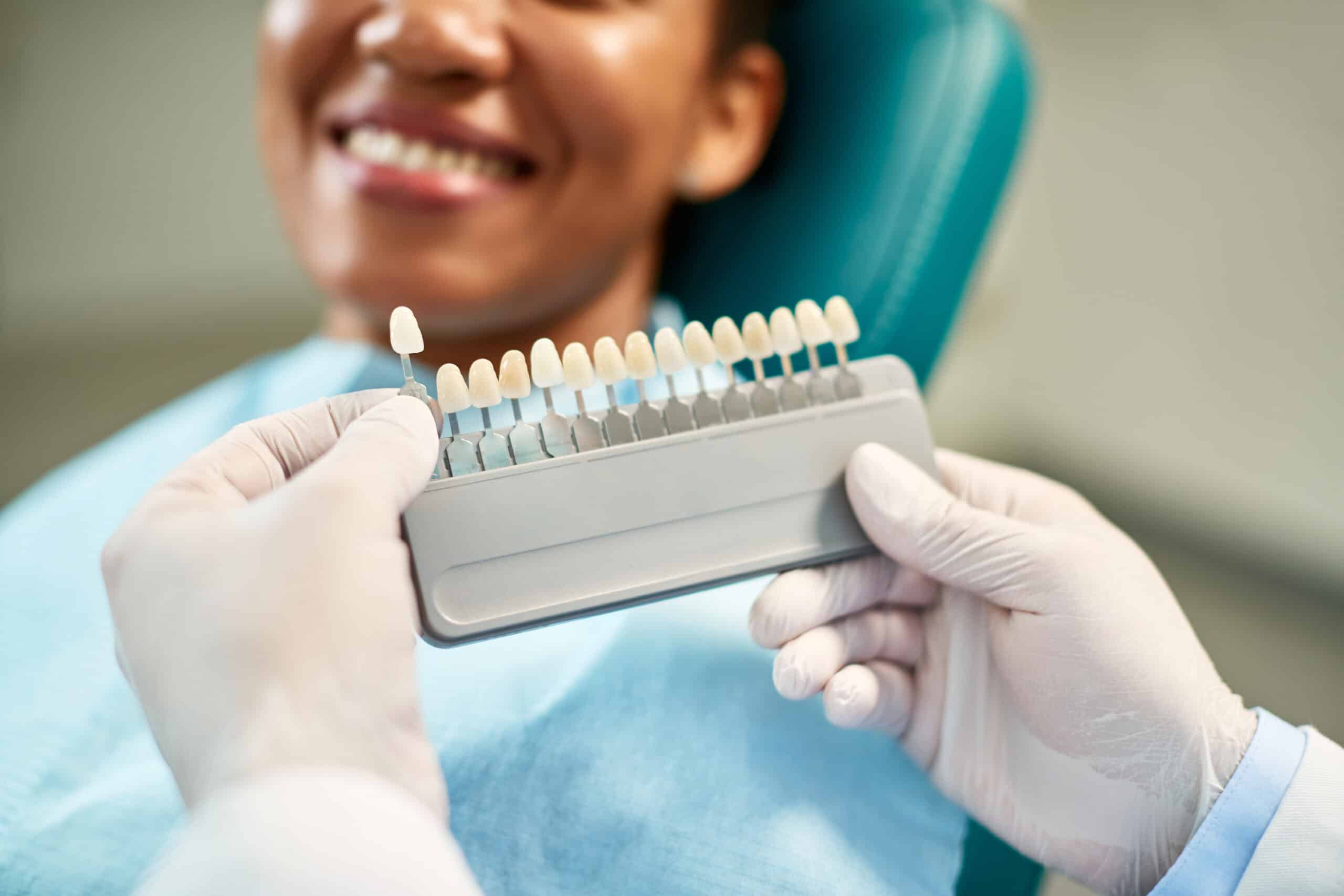
Porcelain closely mimics the light-reflecting properties of natural enamel. It resists staining from coffee, wine, and other common culprits. The result is a bright, lifelike smile that holds its color for years.
Composite resin has improved dramatically over the past decade. Skilled dentists like Dr. Zach Richardson can create very natural-looking results. However, composite is more porous than porcelain and can discolor over time with certain foods and drinks.
- Porcelain offers superior translucency and a more lifelike appearance
- Composite can be color-matched precisely at the time of placement
- Porcelain resists staining better than composite over the long term
- Composite may require polishing or touch-ups to maintain its sheen
Durability and Longevity: Which Veneer Lasts Longer?
Durability is a top concern for Boise patients investing in their smiles. Porcelain veneers generally last between 10 and 20 years with proper care. Composite veneers typically last 5 to 7 years before needing replacement or repair.
Porcelain is harder and more resistant to wear over time. It holds up well against daily chewing forces. However, porcelain can crack or chip if subjected to sudden impact or grinding.
Composite is more flexible than porcelain. This flexibility makes it slightly more prone to chipping under pressure. That said, small chips in composite are easy to repair chairside without replacing the entire veneer.
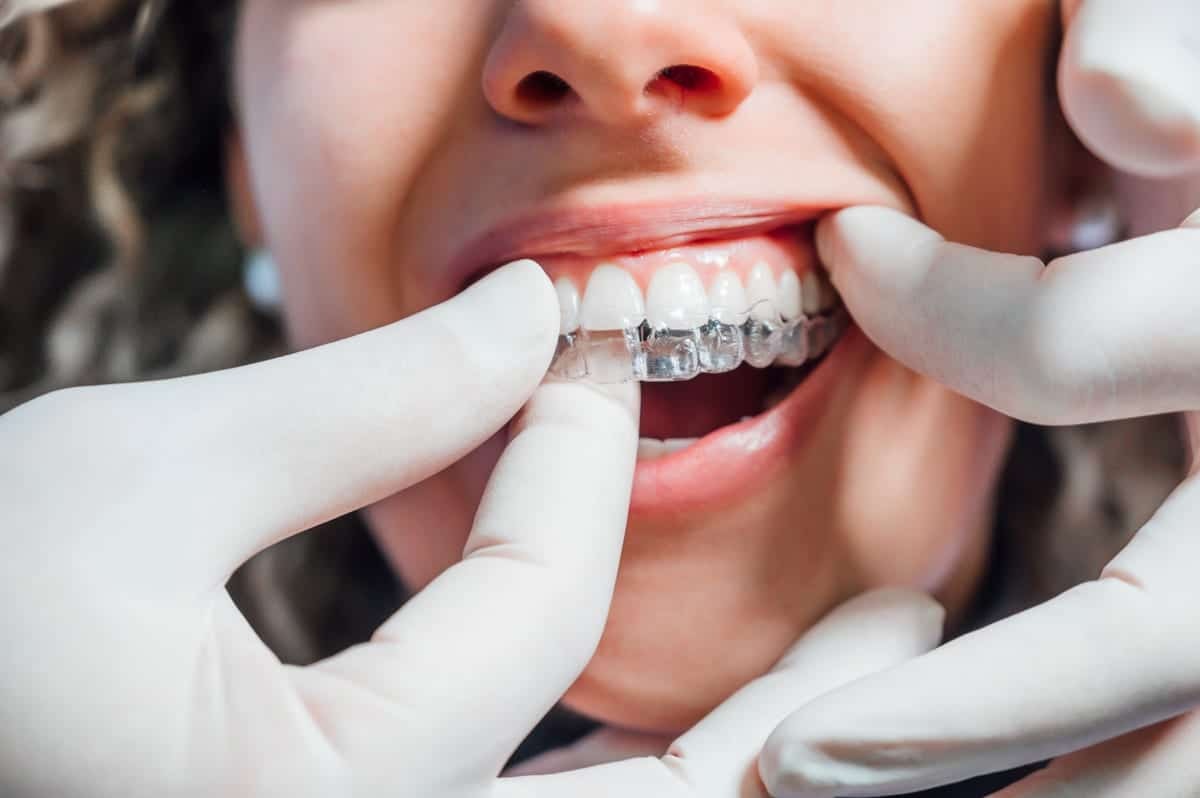
If you grind your teeth at night, a custom night guard can protect both types of veneers. Summit Dental Group offers night guards to help preserve your dental investment for years to come.
Cost Comparison: Porcelain vs. Composite Veneers in Boise
Cost is often the deciding factor for patients weighing these two options. In Boise, porcelain veneers typically range from $1,000 to $2,500 per tooth. Composite veneers are generally more affordable, ranging from $250 to $1,500 per tooth.
The higher upfront cost of porcelain reflects the lab fabrication and longer-lasting results. Many patients view porcelain as a better long-term value because of its durability. Replacing composite veneers every five to seven years adds up over a lifetime.
Composite offers a lower barrier to entry for patients on a tighter budget. It is also a good option if you want to preview a new smile before committing to porcelain. Dr. Richardson can help you evaluate total cost over time, not just the initial price.
- Porcelain: higher upfront cost, longer lifespan, less frequent replacement
- Composite: lower initial cost, easier repair, may need replacement sooner
- Both options require good oral hygiene to maximize their lifespan
- Teeth cleaning appointments twice yearly help protect your veneer investment
The Procedure: What to Expect With Each Type
Understanding the procedure helps reduce anxiety and set clear expectations. The two processes differ considerably in time and technique. Both are comfortable and well-tolerated by most patients.
For porcelain veneers, Dr. Richardson will remove a small amount of enamel from each tooth. Impressions are sent to a dental lab, and temporary veneers are placed while you wait. At your second visit, the custom porcelain shells are bonded permanently to your teeth.
Composite veneers are completed in a single visit in most cases. Dr. Richardson applies the resin directly to each tooth and shapes it by hand. The material is hardened with a curing light, then polished to a natural finish. No waiting period is required.
Both procedures are minimally invasive when performed by an experienced dentist. Veneers are a separate treatment from restorative options like Dental Crowns Boise, which cover the entire tooth rather than just the front surface. If your tooth has significant structural damage, Dr. Richardson may recommend a crown instead.
Repairability and Maintenance
Knowing how repairs work is important before you commit to either option. Composite veneers are easy to repair if they chip or stain. Your dentist can add material and re-polish in a short office visit.
Porcelain veneers cannot be repaired in the traditional sense. A cracked or chipped porcelain veneer usually needs full replacement. This is why protecting them with good habits and a night guard is so important.
Both types require regular brushing, flossing, and professional cleanings. Avoid biting hard objects like ice or pen caps with veneered teeth. Routine care at Summit Dental Group will keep your smile looking its best for as long as possible.
If tooth loss is a concern alongside cosmetic goals, it is worth knowing about Dental Implants Boise as a separate restorative solution. Implants replace missing teeth entirely, while veneers address the appearance of existing teeth.
Which Veneer Is Right for You?
There is no universal answer to which veneer is best. The right choice depends on your individual needs, goals, and budget. A personal consultation with Dr. Zach Richardson is the most reliable way to decide.
Choose porcelain if longevity and a flawless aesthetic are your top priorities. Choose composite if affordability, speed, and repairability matter most to you. Many Boise patients find that a conversation with Dr. Richardson makes the decision much clearer.
Summit Dental Group is proud to offer both veneer options to patients throughout the Boise area. Our team takes a personalized approach to every smile makeover consultation. We will walk you through before-and-after examples, cost breakdowns, and realistic timelines. Book Now to schedule your appointment with our team.
Frequently Asked Questions
How long do porcelain veneers last compared to composite veneers?
Porcelain veneers typically last between 10 and 20 years with proper care. Composite resin veneers generally last 5 to 7 years before needing replacement or significant repair. Porcelain offers a longer lifespan, making it a strong long-term investment for many patients.
Are composite veneers a good option for patients on a budget in Boise?
Yes, composite veneers are a more affordable entry point for patients who want to improve their smile without a large upfront cost. They are placed in a single visit and can be repaired easily if damaged. Dr. Zach Richardson can help you determine if composite fits your goals and budget.
Can veneers be placed over damaged or decayed teeth?
No, veneers require a healthy tooth structure as their foundation. Any decay or damage must be treated before veneers are placed. In cases of significant structural damage, Dr. Richardson may recommend a dental crown as a more appropriate option.
Do veneers require special care or maintenance?
Veneers do not require special products, but they do require consistent oral hygiene. Brush twice daily, floss regularly, and attend professional cleanings every six months. Avoid biting hard objects, and ask Dr. Richardson about a night guard if you grind your teeth.
Is the veneer procedure painful?
Most patients experience little to no discomfort during the veneer procedure. Local anesthesia is used when enamel removal is necessary for porcelain veneers. Composite veneers often require no numbing at all. Any mild sensitivity after placement typically resolves within a few days.