782 S Americana Blvd, Boise, ID 83702

Removing a Dental Implant: When It Is Necessary & What It Involves


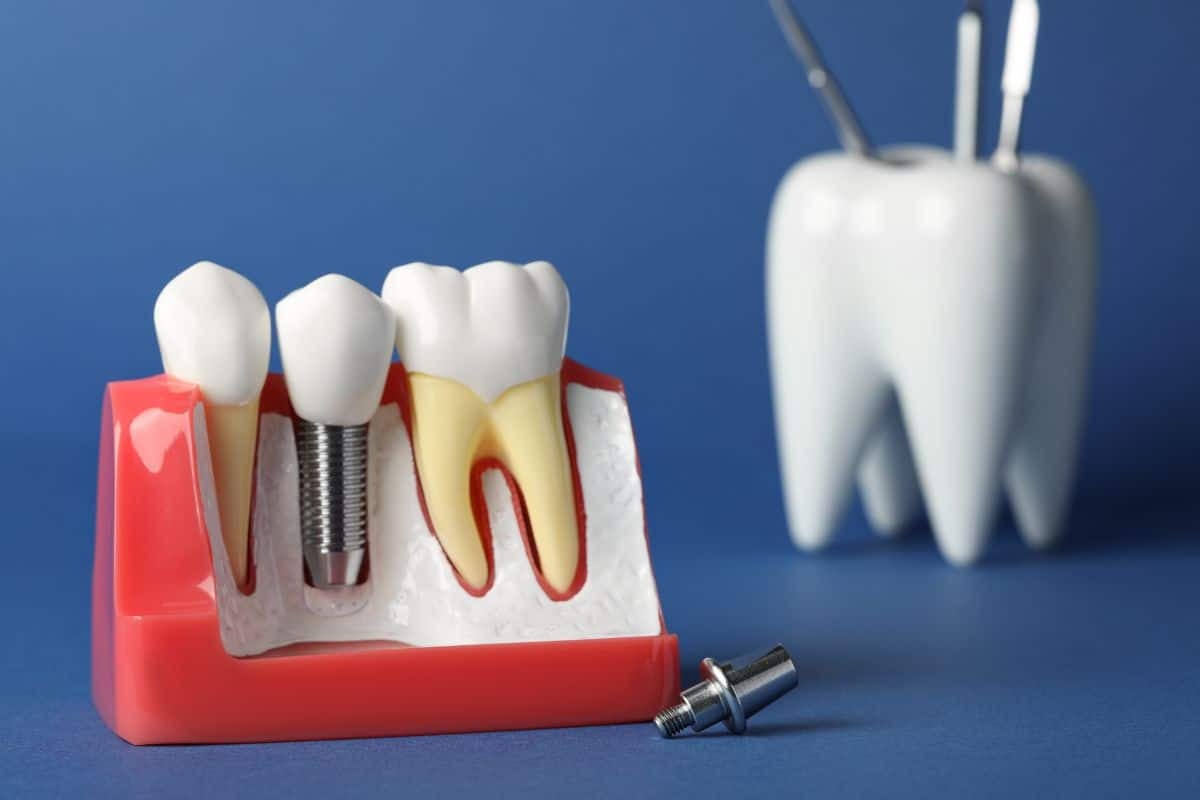
Dental implants are designed to be a long-lasting solution for missing teeth, but in some situations, they may need to be removed. Implant failure, infection, bone loss, injury, or improper placement can make removal the best option to protect your oral health. The good news is that implant removal is not common, and when performed by an experienced dental professional, the procedure is carefully planned to preserve as much healthy bone and tissue as possible.
If you are considering dental implant treatment, understanding why an implant might need to be removed and what the process involves can help you feel more confident about your treatment options. At Summit Dental Group, patients receive personalized care based on their unique dental needs while keeping long-term oral health the priority.
Are Dental Implants Meant to Last Forever?
Dental implants have one of the highest success rates in modern dentistry. With proper care, many implants can last for decades or even a lifetime. However, like any dental treatment, they are not completely free from complications.
Although implant removal is uncommon, it may become necessary if keeping the implant in place could lead to additional problems affecting the surrounding teeth, gums, or jawbone.
When Is Removing a Dental Implant Necessary?
Several conditions can make implant removal the safest treatment option.
Implant Failure
Sometimes the implant never fully bonds with the jawbone after placement. This is known as failed osseointegration. Without a stable connection to the bone, the implant may become loose and unable to support a replacement tooth.
Common reasons include:
- Poor bone quality
- Smoking during healing
- Certain medical conditions
- Excessive pressure on the implant before healing is complete
Gum Infection Around the Implant
An infection called peri-implantitis can damage the gum tissue and supporting bone around the implant. If caught early, it may be treated without removing the implant. However, advanced cases can lead to significant bone loss, making removal necessary.
Signs may include:
- Bleeding gums
- Swelling or redness
- Persistent bad breath
- Pus around the implant
- A loose implant
Significant Bone Loss
Healthy bone is essential for supporting an implant. Severe bone deterioration caused by infection, trauma, or untreated periodontal disease may leave the implant without enough support.
In many cases, bone grafting may be recommended before another implant can be placed.
Implant Fracture or Damage
Although implant posts are made from strong materials like titanium, they can occasionally become damaged due to severe trauma or excessive biting forces.
A fractured implant generally cannot be repaired and usually requires replacement.
Poor Implant Position
If an implant was placed at an incorrect angle or location, it may affect chewing, appearance, or the fit of the final restoration. In these situations, removing and repositioning the implant often produces better long-term results.
What Happens During Dental Implant Removal?
Many patients are surprised to learn that implant removal is typically less complicated than they expect. The exact procedure depends on why the implant is being removed and how well it has integrated with the bone.
Step 1: Comprehensive Evaluation
Your dentist begins with a thorough examination that includes digital X-rays or 3D imaging. This helps determine:
- Bone condition
- Implant stability
- Nearby nerves and structures
- The safest removal approach
Step 2: Local Anesthesia
The treatment area is numbed to keep you comfortable throughout the procedure. Some patients may also choose additional sedation depending on the complexity of treatment.
Step 3: Careful Implant Removal
Specialized instruments are used to gently loosen and remove the implant while preserving as much healthy bone as possible. If the implant is firmly integrated, your dentist may use advanced techniques to minimize damage to surrounding tissues.
Step 4: Cleaning the Area
Once the implant is removed, the site is carefully cleaned to eliminate infection or damaged tissue.If bone loss is present, bone grafting may be performed during the same appointment or scheduled for a later date.
Is Dental Implant Removal Painful?
Most patients report that the procedure is easier than expected. Because local anesthesia is used, you should not feel pain during treatment. Mild soreness, swelling, or tenderness afterward is normal and usually improves within a few days.
Your dentist may recommend:
- Over-the-counter pain medication
- Cold compresses
- Soft foods for several days
- Good oral hygiene around the surgical site
Following post-operative instructions carefully helps support faster healing.
Can Another Dental Implant Be Placed?
In many situations, yes. After the area has healed, another implant can often be placed successfully. Whether immediate replacement is possible depends on several factors, including:
- The amount of healthy bone remaining
- Whether an infection was present
- Overall healing progress
- Your general health
If additional bone support is needed, a bone graft may be completed before placing a new implant. Working with an experienced dental implant provider in Boise helps ensure that the replacement implant is positioned for long-term success.
How Can You Reduce the Risk of Implant Removal?
While some complications cannot be prevented, many can be avoided through proper care. You can improve the longevity of your implant by:
- Brushing and flossing every day
- Attending routine dental checkups
- Avoiding tobacco products
- Managing conditions like diabetes
- Wearing a nightguard if you grind your teeth
- Seeking treatment promptly if you notice swelling, discomfort, or a loose implant
Patients receiving dental implant treatment in Boise should also follow every aftercare instruction provided following implant placement to support proper healing.
Why Experience Matters for Implant Treatment
Dental implant procedures require careful planning, precise placement, and regular follow-up care. Choosing a knowledgeable provider reduces the likelihood of complications and helps ensure predictable, long-lasting results.
Whether you need an implant evaluated, replaced, or are considering treatment for the first time, receiving a comprehensive examination allows your dentist to recommend the most appropriate solution for your oral health goals.
Conclusion
Although removing dental implants is not common, it can become necessary when infection, implant failure, bone loss, or damage threatens your oral health. Early diagnosis often leads to more treatment options and helps preserve the surrounding bone for future restoration. Understanding what the procedure involves allows patients to make informed decisions and approach treatment with confidence.
If you have pain, swelling, a loose implant, or concerns about an existing restoration, don’t wait for the problem to worsen. Schedule an evaluation with Summit Dental Group to determine whether your implant can be treated or if removal is the healthiest option. An experienced team can guide you through every step and recommend the right solution to restore your smile comfortably and safely.
FAQs
How do I know if my dental implant needs to be removed?
Signs that may indicate a problem include persistent pain, swelling, bleeding gums, a loose implant, or recurring infection. A dental examination and imaging are needed to determine whether removal is necessary.
How long does it take to recover after dental implant removal?
Most patients recover from the initial procedure within a few days to a week. If bone grafting is performed, complete healing may take several months before another implant can be placed.
Can a failed dental implant be replaced?
Yes. In many cases, a failed implant can be replaced after the area has healed. Your dentist will evaluate the bone and gum health before recommending the next step.
Is dental implant removal covered by dental insurance?
Coverage varies depending on your insurance plan and the reason for removal. Your dental office can help review your benefits before treatment.
Can an infected dental implant be saved?
Sometimes. If the infection is diagnosed early, non-surgical or surgical treatment may preserve the implant. Severe infections with extensive bone loss may require implant removal.