782 S Americana Blvd, Boise, ID 83702

Stop Grinding Teeth in Sleep With The Help of a Dentist


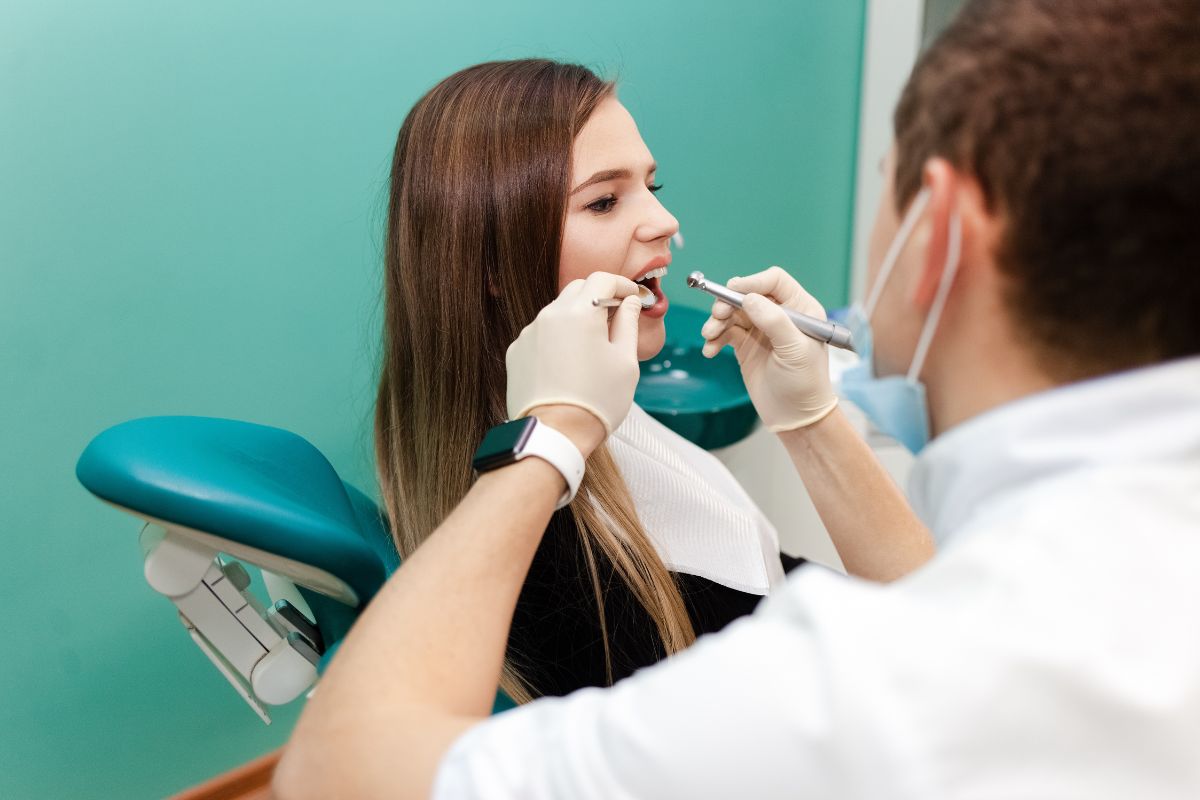
Waking up with a stiff jaw, headaches, or sensitive teeth? You might be grinding your teeth in your sleep without even knowing it. Nighttime grinding, also known as bruxism, can wear down your enamel, damage dental work, and even cause long-term jaw problems.
While stress is often a factor, the solution goes beyond lifestyle changes. Your dentist plays a key role in protecting your smile from this harmful habit. Let’s explore how.
What Is Bruxism and Why Does It Happen?
Bruxism is the repetitive clenching or grinding of teeth, most often during sleep. It can occur without awareness, leading to tooth damage, muscle fatigue, and sleep disruptions. Common causes include:
- Stress and anxiety
- Sleep disorders such as sleep apnea
- Misaligned bite or crooked teeth
- Caffeine or alcohol intake before bed
- Certain medications
Children and adults experience this issue, and the damage builds slowly over time. However, it is treatable with the right dental approach.
Signs You May Be Grinding at Night
Because bruxism occurs during sleep, you may not notice until symptoms appear. Watch for:
- Flattened, chipped, or worn teeth
- Increased tooth sensitivity
- Sore jaw muscles or tightness in the face
- Headaches after waking up
- Clicking or popping in the jaw
- Disrupted sleep for you or your partner
If you’re experiencing one or more of these symptoms, it’s time to talk to your dental provider.
How Does Your Dentist Diagnose The Problem?
Your dentist doesn’t just look at your teeth; they listen to your symptoms, evaluate jaw movement, and assess any visible damage. During an oral examination, they may:
- Check for enamel wear and cracks
- Assess alignment or bite issues
- Ask about sleep patterns or history of jaw pain
- Use digital imaging to evaluate jaw joints (TMJ)
Sometimes, you may be referred for a sleep study if underlying sleep apnea is suspected.
Custom Night Guards: First Line of Defense
A custom night guard is one of the most effective treatments for nighttime bruxism. These oral appliances:
- Create a barrier between your upper and lower teeth
- Prevent tooth damage
- Reduce muscle tension in the jaw
- Promote healthier jaw alignment
- Are custom-fitted for comfort and protection
Unlike store-bought guards, custom versions from your dentist in Boise are molded to your exact bite for maximum effectiveness.
How Dentists Address the Root Cause?
Beyond night guards, your dentist may recommend other treatments depending on what’s causing the issue:
- Orthodontics: To correct bite misalignment that contributes to clenching
- Stress Management: Your dentist may refer you to counseling or suggest mindfulness practices
- Botox: In some cases, Botox injections in the jaw muscles can reduce the force of involuntary clenching
- Dental Restorations: If teeth are severely worn, restorative procedures may be needed to rebuild your bite
The goal is not just to protect your teeth, but to resolve the source of the issue.
Can Dentists Cure Grinding?
In many cases, yes. With the right care plan and regular follow-ups, grinding can be controlled or eliminated. It’s about managing triggers, protecting the teeth, and working with a provider who understands the full picture.
Don’t ignore early signs. Untreated bruxism can lead to TMJ disorders, tooth fractures, and long-term jaw complications.
Take Action for a Healthier, More Comfortable Smile
If you suspect you’re grinding your teeth at night, don’t wait for the damage to worsen. At Summit Dental Group, our experienced team offers expert evaluations, custom night guards, and long-term solutions to help you sleep better and smile brighter.
Book your consultation today with a trusted dentist in Boise; your jaw (and teeth) will thank you.