782 S Americana Blvd, Boise, ID 83702

Top Oral Health Tips for Young Adults


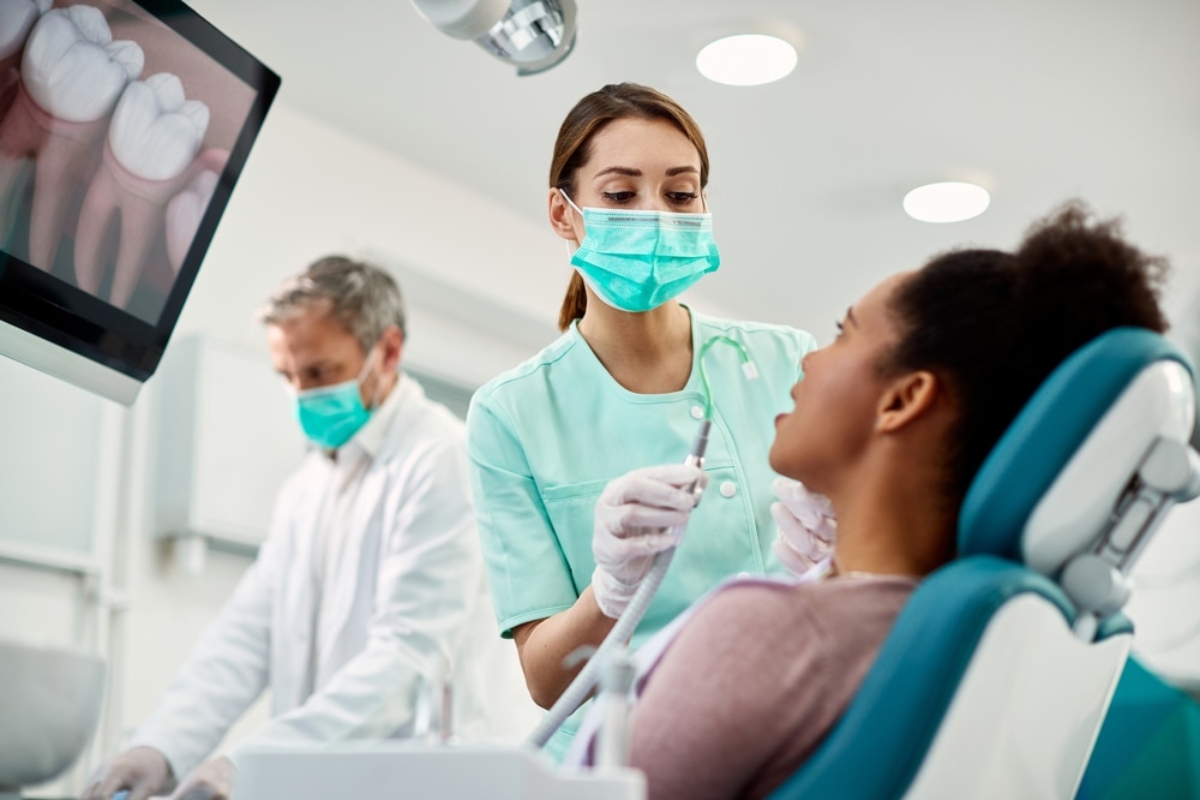
Oral health is extremely important at any age, but it’s especially crucial for young adults. Without good oral care, you can develop all sorts of problems down the road – like cavities, gum disease, and even heart disease.
That’s why Summit Dental would like to discuss some of the top oral health tips for young adults. We’ll also provide a few helpful tips on how to brush and floss correctly. So, if you’re ready to learn more about taking care of your teeth and gums, keep reading.
What are the Top Oral Health Issues Affecting Young Adults?
There are a few different oral health issues that are especially common in young adults. These include:
- Cavities: Cavities are one of the most common oral health problems, and they’re especially common in young adults. Cavities occur when plaque and bacteria build up on your teeth and damage the enamel. If you don’t brush and floss regularly, you’re at a higher risk of developing cavities.
- Gum disease: Gum disease is another common oral health problem, and it can lead to serious problems down the road if it’s not treated. Gum disease occurs when plaque and bacteria build up around your gum line, causing inflammation and irritation. If you have gum disease, you may notice bleeding gums, bad breath, and receding gums.
- Tooth loss: Tooth loss is another serious oral health problem in young adults. Tooth loss can be caused by cavities, gum disease, or trauma to the teeth. If you lose a tooth, it’s essential to see a dentist right away so they can determine the best course of treatment.
Eat Foods That Won’t Cause Cavities
Eating the right foods is one of the best ways to prevent cavities. Avoid sugary snacks, drinks, and starchy foods that can get stuck in your teeth. Instead, focus on eating plenty of fresh fruits and vegetables, which will help keep your mouth clean and healthy.
Brush at Least Twice a Day
It’s essential to brush your teeth at least twice a day, once in the morning and once at night. Be sure to use a toothbrush with soft bristles, and avoid brushing too hard – this can damage your gums. Use toothpaste that contains fluoride, and be sure to brush for two minutes each time.
Floss Every Day
Flossing is just as important as brushing, and you should be sure to do it at least once a day. Start by wrapping the floss around your middle finger, then use it to gently clean between your teeth. Be sure to floss under the gum line as well – this will help remove any plaque built up there.
See Your Dentist Regularly
Next, be sure to see your dentist in Boise regularly. Most dentists recommend scheduling an appointment every six months, but if you have any specific concerns, you may need to go more often. During your appointment, your dentist will clean your teeth and check for any signs of problems.
Drink As Much Water as Possible
Make sure to drink plenty of water throughout the day. This will help keep your mouth hydrated and healthy. If you can, avoid sugary drinks like soda – they can actually contribute to tooth decay.
Get Your Teeth Professionally Cleaned
Next, be sure to get your teeth professionally cleaned every six months. This is a deep cleaning that a dental hygienist performs, and it’s an important part of maintaining good oral health. During the cleaning, your hygienist will remove any plaque or tartar that’s built up on your teeth.
Use Mouthwash
Finally, be sure to use mouthwash every day. Mouthwash can help remove any plaque or bacteria that are left behind after brushing and flossing. Look for a mouthwash that contains fluoride, and use it according to the instructions on the packaging.
How a Dentist in Boise Can Help
If you’re concerned about oral health, you must see a dentist in Boise. They can help diagnose any problems you may have, and they can also provide treatment if necessary. Schedule an appointment with your dentist if you’re due for a cleaning.
Schedule an Appointment with Summit Dental
If you’re looking for a dentist in Boise, schedule an appointment with Summit Dental. We offer a wide range of dental services, and we can help you maintain good oral health. Contact us today by filling out our online form or give us a call at [phone] to schedule an appointment.