782 S Americana Blvd, Boise, ID 83702

Dental Implants vs. Dental Bridges: Which Tooth Replacement Option Is Right for You?


Missing a tooth can affect much more than your smile. It can make chewing difficult, impact your speech, and even lead to changes in your jawbone over time. Fortunately, modern restorative dentistry offers reliable solutions to replace missing teeth and restore your confidence. Two of the most common options are dental implants and dental bridges.
If you are unsure which treatment is right for you, understanding how each option works can help you make an informed decision. At Summit Dental Group, our team helps patients choose the treatment that best fits their oral health needs, lifestyle, and long term goals.
What Are Dental Implants?
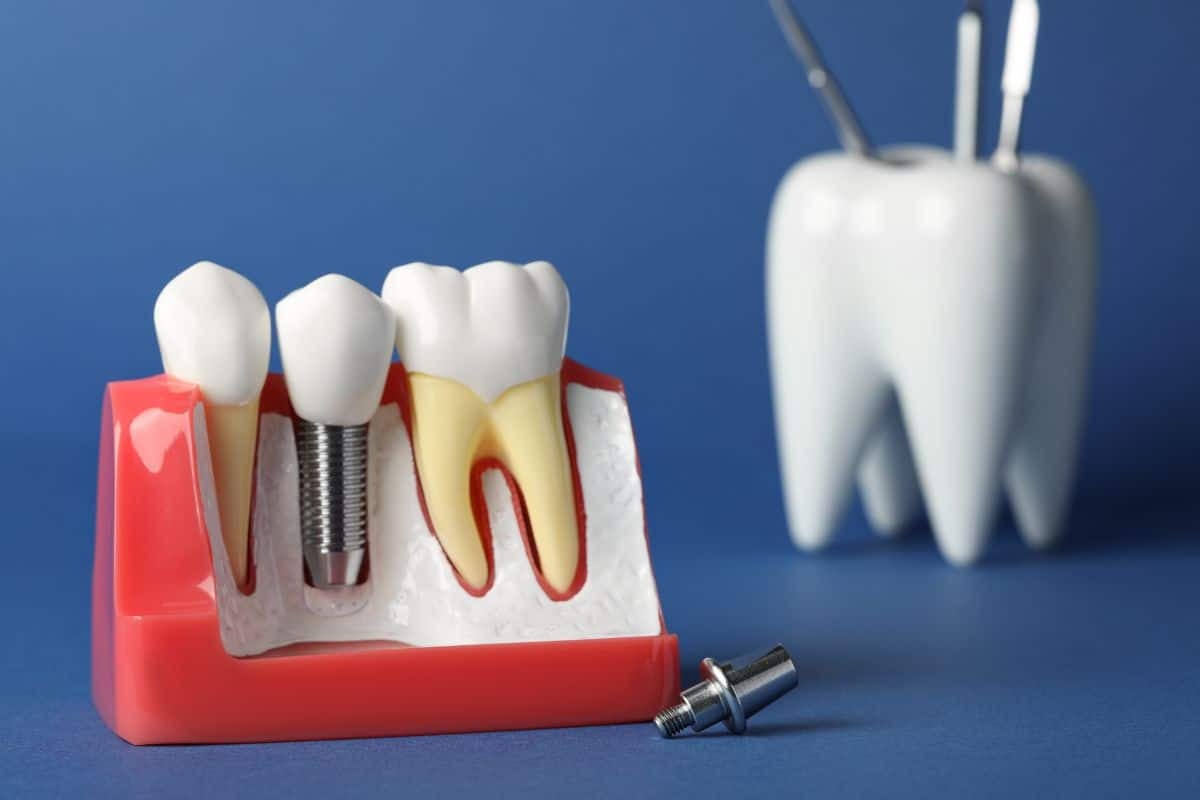
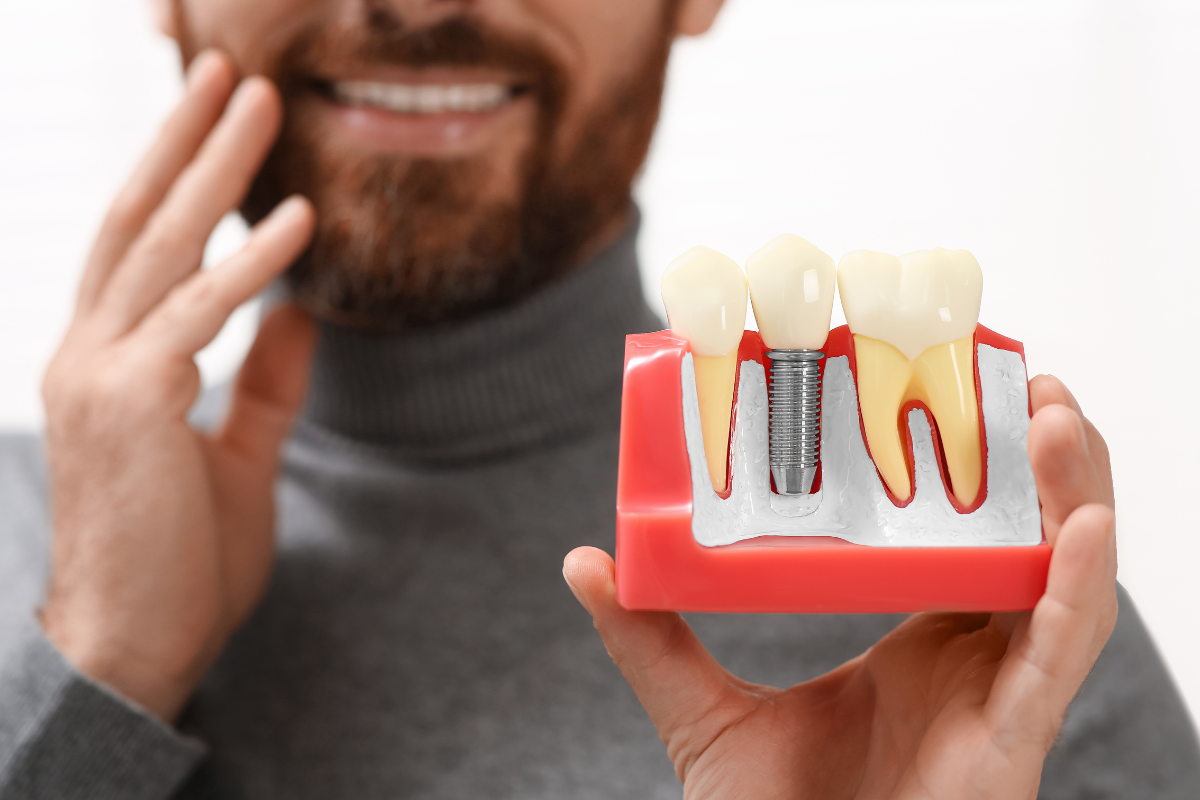
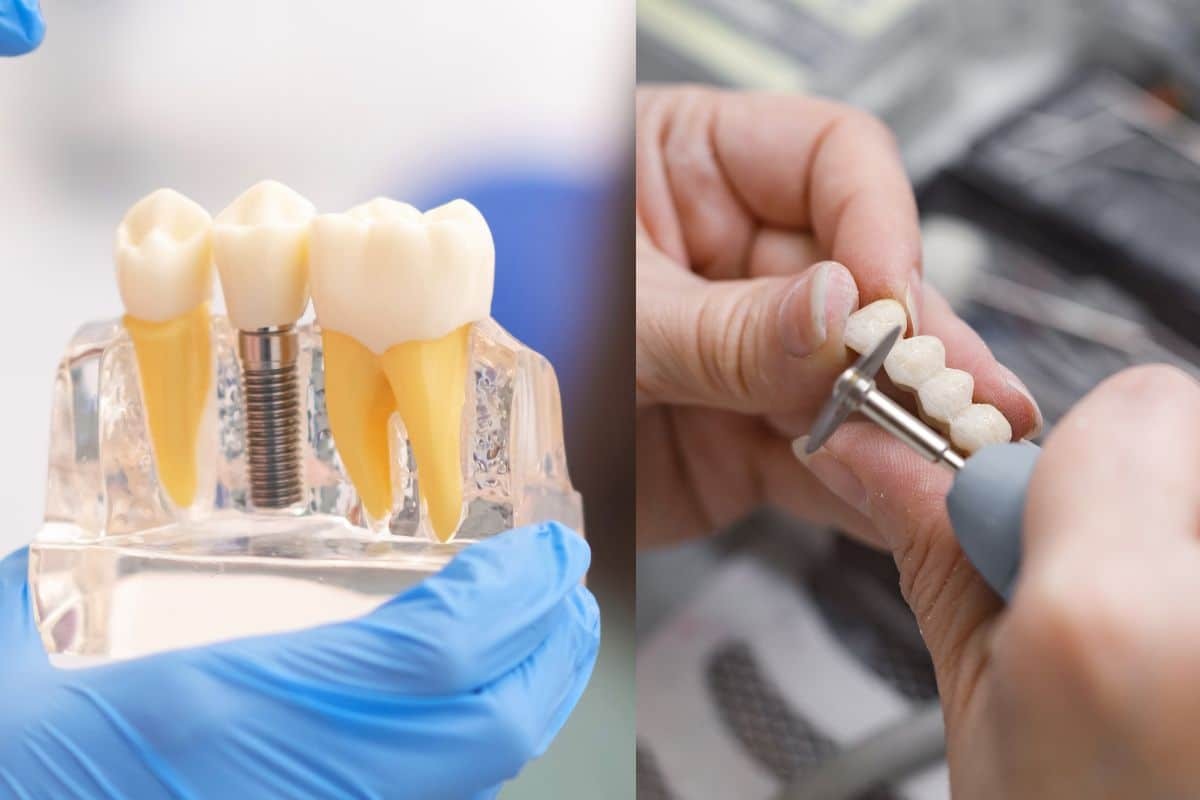
Dental implants are artificial tooth roots made from biocompatible titanium. They are surgically placed into the jawbone, where they fuse with the bone through a natural process called osseointegration. Once healed, a custom dental crown is attached to the implant, creating a replacement tooth that looks, feels, and functions like a natural tooth. Because implants replace both the root and the visible portion of the tooth, they provide exceptional stability and help preserve jawbone health.
What Is a Dental Bridge?
A dental bridge is a fixed restoration designed to replace one or more missing teeth. It consists of an artificial tooth, known as a pontic, that is supported by dental crowns placed on the healthy teeth next to the gap. Dental bridges restore your smile and chewing ability without requiring surgery. They are a well established treatment option and may be recommended for patients who are not candidates for implants.
Dental Implants vs. Dental Bridges
Although both treatments replace missing teeth, they differ in several important ways.
Appearance
Both dental implants and bridges are designed to blend naturally with your existing smile. Modern materials closely match the color and shape of your surrounding teeth, making either option highly aesthetic.
Durability
One of the biggest advantages of dental implants is their longevity. With proper oral hygiene and regular dental visits, implants can last for decades and often for a lifetime. Dental bridges are also durable but generally need replacement after 10 to 15 years due to normal wear or changes in the supporting teeth.
Jawbone Health
When a tooth is lost, the jawbone beneath it no longer receives stimulation from the tooth root. Over time, this can lead to bone loss. Since implants are placed directly into the jawbone, they help maintain bone density and reduce the risk of bone deterioration. Dental bridges do not replace the missing root, so they cannot prevent bone loss in the area of the missing tooth.
Effect on Healthy Teeth
A bridge requires the adjacent healthy teeth to be reshaped so dental crowns can support the restoration. Dental implants stand independently and do not rely on neighboring teeth. This allows your natural teeth to remain untouched while replacing the missing tooth.
Stability While Eating
Dental implants are securely anchored in the jaw, allowing patients to enjoy a wide variety of foods with confidence.
Bridges also restore chewing function effectively, but they may not provide the same level of stability and bite strength as implants.
Maintenance
Both options require daily brushing, flossing, and routine dental checkups.
Implants are cleaned much like natural teeth. Bridges require extra attention beneath the artificial tooth to remove trapped food and plaque using floss threaders or other specialized cleaning tools.
Who Is a Good Candidate for Dental Implants?
You may be a good candidate for dental implants if you:
- Have one or more missing teeth
- Have healthy gums
- Have adequate jawbone to support an implant
- Practice good oral hygiene
- Are in good general health
Even if you have experienced some bone loss, procedures such as bone grafting may make implant treatment possible. A consultation with a trusted dental implants provider in Boise can determine whether implants are the right solution for your specific needs.
When Is a Dental Bridge a Better Choice?
A dental bridge may be recommended if you:
- Prefer a treatment that does not involve surgery
- Have insufficient jawbone and are not interested in bone grafting
- Need a faster tooth replacement solution
- Have neighboring teeth that already require crowns
Your dentist will evaluate your oral health, discuss your preferences, and explain the benefits of each option before recommending treatment.
Why Many Patients Choose Dental Implants
For many people, implants offer several advantages beyond replacing a missing tooth.
Benefits include:
- Natural appearance and feel
- Excellent stability while eating and speaking
- Preservation of jawbone health
- Protection of neighboring teeth
- Long lasting results
- Improved confidence and comfort
Although the initial investment may be higher than a bridge, many patients appreciate the long term value and durability that implants provide.
Choosing the Right Tooth Replacement Option
Every smile is different, and there is no single solution that works for everyone. Factors such as the number of missing teeth, bone health, budget, overall health, and personal preferences all play an important role in determining the best treatment. An experienced dentist will perform a comprehensive examination, take digital images, and discuss your goals before creating a personalized treatment plan.
If you are looking for a reliable dental implants provider in Boise, choosing a practice with experience in restorative dentistry can help ensure long lasting, predictable results.
Restore Your Smile at Summit Dental Group
Living with missing teeth does not have to be permanent. Whether you are considering dental implants or a dental bridge, the right treatment can restore your smile, improve your oral health, and help you enjoy everyday activities with confidence. At Summit Dental Group, we proudly help patients throughout Boise explore customized tooth replacement solutions designed for lasting comfort and function. Schedule a consultation today to learn which option is best for your smile.
Frequently Asked Questions
Are dental implants better than dental bridges?
Dental implants generally offer greater durability, preserve jawbone health, and do not rely on neighboring teeth. However, the best option depends on your oral health and individual needs.
How long do dental implants last?
With proper care and regular dental visits, dental implants can last for decades and often a lifetime.
Is getting dental implants painful?
The implant procedure is performed using local anesthesia, and most patients report only mild discomfort during recovery, which is manageable with prescribed or over the counter medication.
How long does the dental implant process take?
Treatment timelines vary depending on healing and whether additional procedures are needed. Most cases take several months from implant placement to the final restoration.
Can I replace multiple missing teeth with dental implants?
Yes. Dental implants can replace a single tooth, multiple teeth, or even support a full-arch restoration, depending on your treatment plan.