782 S Americana Blvd, Boise, ID 83702

Replacing a Front Tooth? What to Know Before Choosing Dental Implants


Replacing a missing front tooth requires more than restoring your ability to chew. The replacement should also look natural, feel comfortable, and fit securely with your surrounding teeth. Dental implants are one option for replacing a missing front tooth because they replace the tooth root as well as the visible crown. Before choosing this treatment, Boise patients should understand how implants work, whether they are candidates, what the process involves, and what affects the final appearance.
Why Front Tooth Replacement Requires Careful Planning
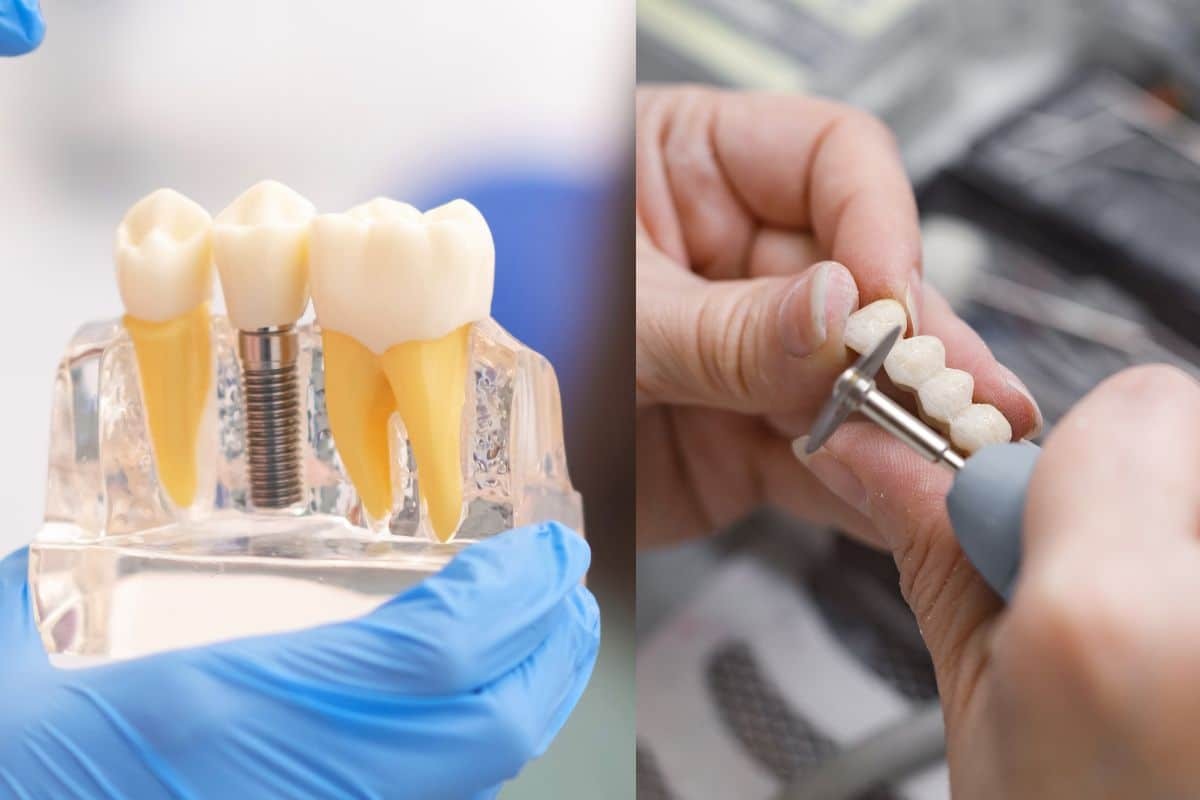
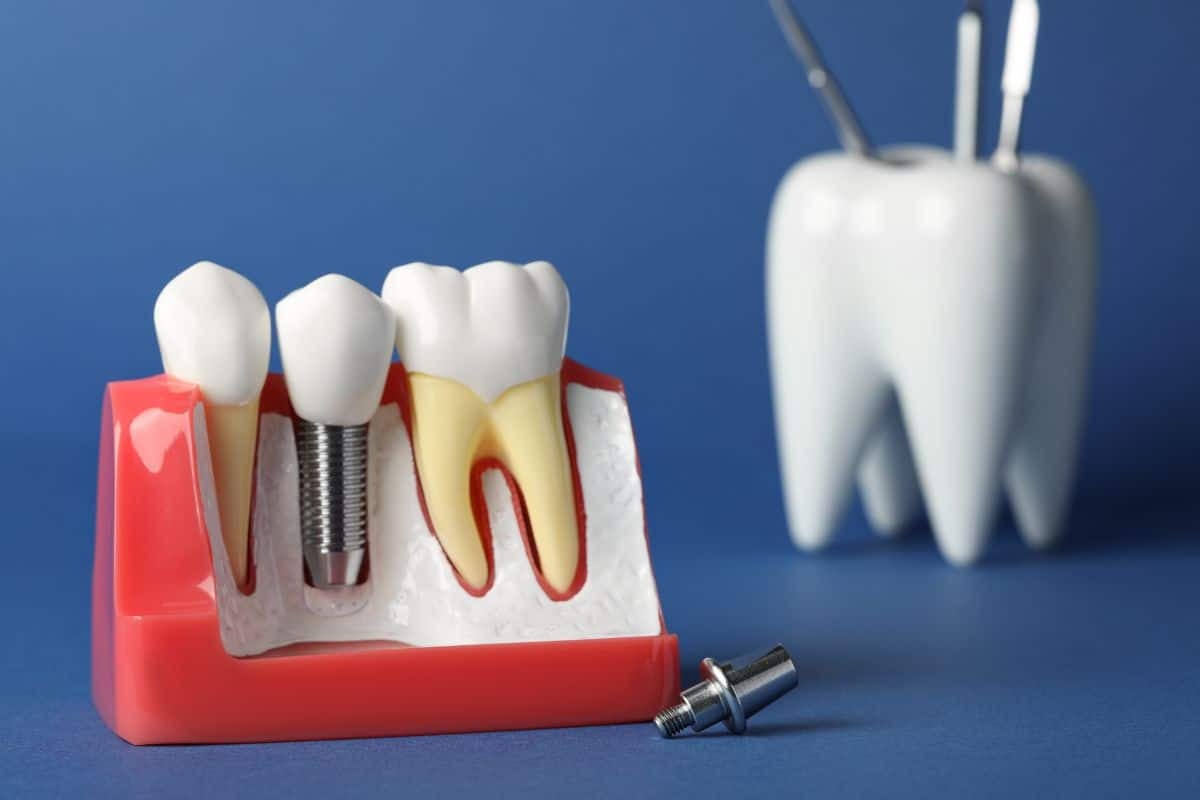
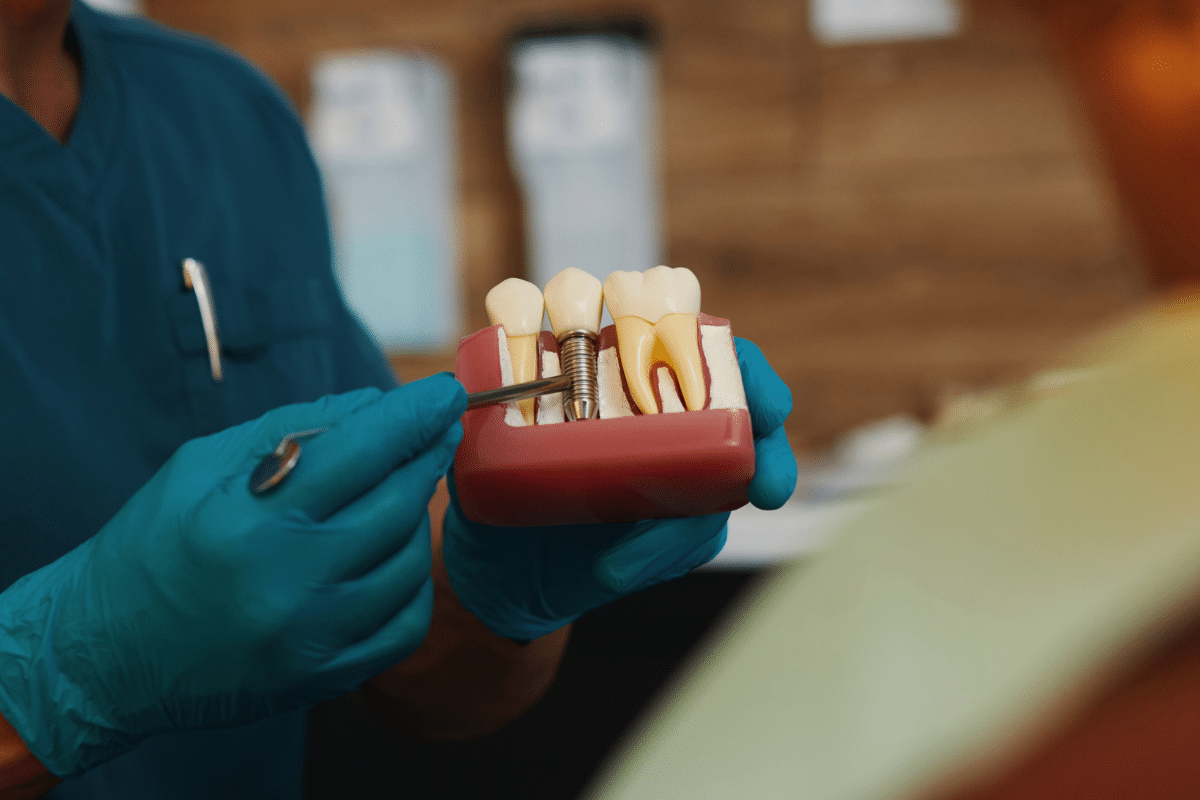
A front tooth is highly visible when you smile, speak, or laugh. Even a small difference in the shape, shade, or position of a replacement tooth can affect the appearance of your smile. An implant-supported tooth typically consists of a titanium implant post, an abutment, and a dental crown. The implant is placed in the jawbone and serves as an artificial tooth root. Once healing and bone integration occur, the crown is attached to complete the restoration.
This approach can provide stability while helping preserve the bone around the missing tooth. However, treatment planning is especially important in the front of the mouth because the dentist must consider the gumline, neighboring teeth, bite, and overall smile appearance.
Are You a Candidate for an Implant?
Not everyone with a missing tooth is immediately ready for implant placement. Your dentist will evaluate your oral health, jawbone, gums, and overall treatment needs. Adequate bone volume is important because the implant needs sufficient support. If bone has been lost following tooth removal or prolonged tooth loss, a bone graft may sometimes be recommended before or during implant treatment in Boise.
Healthy gums are also important. Active gum disease may need to be treated before moving forward. Your dentist may also review factors such as smoking, certain medical conditions, medications, and oral hygiene habits when determining whether an implant is appropriate.
What Does Dental Implant Treatment Involve?
The process generally takes place over several stages. First, your dentist examines the area and may use dental imaging to evaluate the bone and surrounding structures. The implant is then surgically placed into the jawbone. A healing period follows, during which the implant can integrate with the surrounding bone. After healing, an abutment and custom-made crown are placed. In some situations, temporary tooth replacement may be provided while the final restoration is being prepared.
The overall timeline varies from person to person. The condition of the jawbone, need for additional procedures, healing response, and type of restoration can all affect how long treatment takes.
How Natural Will the Replacement Tooth Look?
For a front tooth, appearance is an important part of treatment planning. A custom dental crown can be designed to match the color, size, shape, and proportions of the surrounding teeth. The gumline also matters. Your dentist will consider how the implant restoration interacts with the surrounding gum tissue to create a natural-looking result.
Because every smile is different, the final restoration should be planned around your existing teeth rather than using a one-size-fits-all approach.
Caring for Your Implant After Treatment
An implant does not develop cavities like a natural tooth, but the surrounding gums and tissues still require proper care. Brushing twice daily, cleaning between the teeth, attending regular dental visits, and following your dentist’s instructions can help maintain the implant and surrounding oral tissues. Avoiding tobacco products and addressing signs of gum inflammation can also support long-term oral health.
Choosing a Dentist for Front Tooth Replacement in Boise
When considering an implant for a missing front tooth, choosing a dental practice that evaluates both function and appearance is important. Summit Dental Group in Boise can help patients understand their tooth replacement options through a personalized evaluation of their oral health, jawbone, gums, bite, and overall smile. During a consultation, patients can discuss the implant process, necessary dental imaging, bone health, restoration options, expected treatment timeline, and how the replacement tooth can be designed to complement the surrounding teeth. A thorough evaluation helps determine whether an implant-supported restoration is an appropriate option for replacing a missing front tooth.
For patients considering dental implants, beginning with a professional consultation at Summit Dental Group can provide a clearer understanding of the available treatment options and the steps involved.
Conclusion
Replacing a front tooth involves more than filling a visible gap. The health of the jawbone and gums, position of neighboring teeth, bite, restoration design, and long-term maintenance all play a role in the outcome. Understanding these factors before treatment can help you have a more informed conversation with your dentist and determine whether an implant-supported replacement is appropriate for your smile.
If you have a missing front tooth and want to learn whether implant treatment may be appropriate for you, schedule a consultation with Summit Dental Group in Boise. A personalized examination can help determine your available tooth replacement options and the next steps for restoring your smile.
FAQs
1. Are dental implants a good option for replacing a front tooth?
Dental implants can be an option for replacing a missing front tooth when there is adequate bone support and healthy surrounding tissues. A dentist can evaluate your oral health and determine whether an implant is appropriate.
2. How long does it take to replace a front tooth with an implant?
The timeline varies depending on bone health, healing, and whether additional procedures are needed. Some patients may complete treatment in several months, while others may require more time.
3. Will an implant-supported front tooth look natural?
A custom-made crown can be designed to match the color, shape, size, and proportions of your surrounding teeth. Proper planning also considers the gumline and overall smile.
4. What happens if I do not have enough bone for a dental implant?
If there is insufficient bone to support an implant, a dentist may recommend a bone graft or another procedure to improve the available support before implant placement.
5. How long can an implant-supported front tooth last?
With proper oral hygiene, regular dental care, and healthy surrounding tissues, an implant-supported restoration can provide long-term tooth replacement. Its longevity varies based on individual oral health and maintenance.