782 S Americana Blvd, Boise, ID 83702

Can a Dental Crown Fix a Cracked or Broken Tooth?


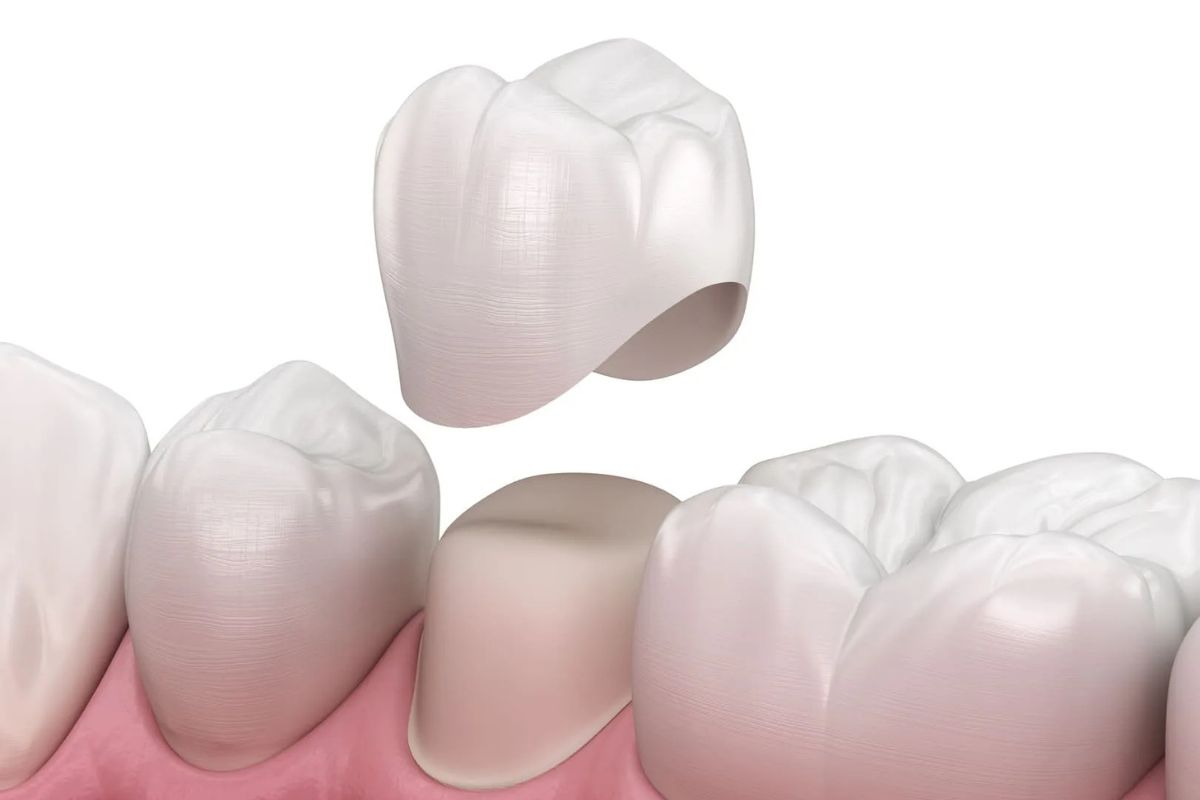
If you have ever experienced a cracked tooth, you know how uncomfortable and concerning it can be. Fortunately, dental advancements offer effective solutions, and one of the most reliable options is a dental crown in Boise. A dental crown, also known as a cap, is designed to cover and protect a damaged tooth, restoring its function and appearance. In this article, we will explore how crowns can help with cracked or fractured teeth and why they are the right choice for your oral needs.
What Is A Dental Crown?
A dental crown is a tooth-shaped restoration that fits over a damaged or weakened tooth. Its purpose is to restore the tooth’s size, shape, strength, and appearance. Crowns are typically made from durable materials like porcelain, ceramic, or metal and are custom-made to fit precisely over the affected tooth. Whether your tooth is cracked, worn down, or broken, a crown can provide the support it needs to function properly once again.
How Do Crowns Help with Cracked Or Broken Teeth?
When a tooth becomes fractured, it can cause significant pain, especially if the crack extends into the nerve. This makes chewing and speaking difficult and can lead to further damage if left untreated. Crowns are ideal for reinforcing the tooth, preventing additional fractures, and protecting the nerve inside. They provide the stability and strength a tooth needs to continue functioning normally, preventing the risk of further deterioration.
For a broken tooth, a crown acts as a protective barrier that holds the remaining healthy tooth structure together. In large cracks or fractures, crowns also restore the tooth’s ability to withstand pressure and chewing forces, ensuring that your tooth remains strong for years. The ability of crowns to preserve the natural tooth structure is one of the reasons they are favored over other treatments like fillings or bonding.
Types Of Crowns For Cracked Or Broken Teeth
There are several different materials available for crowns. However, the choice of material can directly impact the aesthetic outcome and the durability of the restoration. The most common options for damaged teeth include:
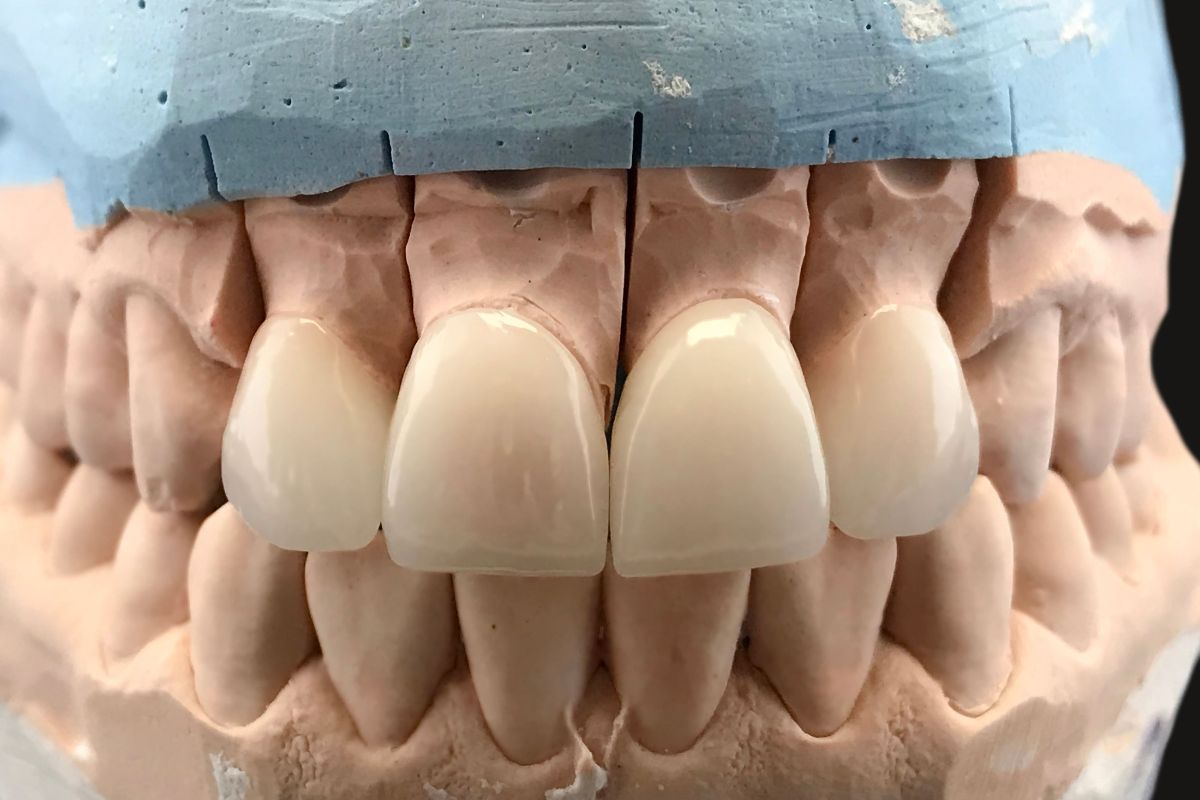
- Porcelain Crowns: These crowns are highly aesthetic, closely mimicking the natural color of your teeth. They are an excellent choice for visible teeth, such as those in the front of your mouth.
- Ceramic Crowns: Similar to porcelain, ceramic crowns are durable and look natural, making them another excellent option for aesthetic restorations.
- Metal Crowns: Metal crowns are incredibly durable and are best used for molars or teeth at the back of the mouth that are less visible. They withstand heavy chewing pressure and are a long-lasting solution.
- Porcelain-Fused-to-Metal Crowns: These crowns combine the strength of metal with the aesthetics of porcelain, offering both durability and a natural appearance.
Step-by-Step Process of Getting a Dental Crown
The process of getting a crown typically involves two visits to your dentist. During the first visit, your dentist will evaluate the damage and may take X-rays to ensure that the tooth is still healthy enough to support a crown. After numbing the area, the dentist will shape the tooth, removing any decayed or broken parts. If the crack or fracture extends too deeply, a root canal may be necessary to treat the tooth before the crown can be placed.
Once the tooth is prepared, an impression is taken and sent to a lab where the custom crown is made. While you wait for the crown to be fabricated, your local dentist may place a temporary crown to protect the tooth.
During the second visit, your dentist will remove the temporary crown and place the permanent one, ensuring that it fits perfectly and feels natural. The crown is then cemented into place, completing the procedure.
Benefits Of A Dental Crown For Damaged Teeth
- Restores Function: A capped tooth allows you to eat, speak, and smile confidently.
- Prevents Further Damage: Crowns help prevent the tooth from fracturing further and causing more extensive damage.
- Long-lasting: With proper care, dental crowns can last many years, offering a durable solution to cracked or broken teeth.
- Aesthetic Improvement: Crowns, especially porcelain and ceramic options, blend seamlessly with your natural teeth, offering a visually appealing result.
Transform Your Smile With The Right Dental Crown
A dental crown in Boise is ideal for fixing a cracked or broken tooth, offering both restorative and aesthetic benefits. Do not let a cracked or broken tooth affect your smile and quality of life. Visit Summit Dental Group today to explore your options. Let us help you restore the health and appearance of your teeth. Schedule your consultation now and take the first step towards a stronger, healthier smile.
FAQs
How long does it take to get a dental crown?
Typically, getting a dental crown takes two visits — one for tooth preparation and impression, and another for fitting the permanent crown. Some dental offices also offer same-day crowns using advanced technology.
Is getting a dental crown painful?
No, the procedure is performed under local anesthesia, so you shouldn’t feel pain. You may experience slight sensitivity afterward, which usually subsides within a few days.
How long do dental crowns last?
With proper care and regular dental checkups, a crown can last between 10 to 15 years or longer, depending on the material used and your oral hygiene habits.
What materials are best for dental crowns?
Porcelain and ceramic crowns are ideal for front teeth due to their natural look, while metal and porcelain-fused-to-metal crowns are preferred for molars because of their strength and durability.
Can I eat normally after getting a dental crown?
Yes, once your permanent crown is in place and the cement has fully set, you can eat normally. Avoid sticky or hard foods immediately after the procedure to protect the crown.