782 S Americana Blvd, Boise, ID 83702

When Is a Dental Crown Needed for a Cavity?



A small cavity is usually no big deal. Your dentist cleans out the decay, places a filling, and you’re back to normal. However, what happens when the cavity is so large that half your tooth is gone? That’s when things get tricky. In cases like these, a filling may not be strong enough to do the job, and that’s where a dental crown comes in. Want to learn more about this? Keep reading this blog till the end.
Why Bigger Cavities Need More Than Fillings?
Think of your teeth like a house. A small hole in the wall is easy to patch. Nevertheless, if the entire wall is crumbling, patchwork won’t hold for long. Large cavities weaken the tooth so much that a filling may actually make it more fragile. Over time, that tooth is likely to crack, break, or decay again. A crown, on the other hand, covers the tooth completely and gives it back its strength.
What Does a Crown Actually Do?
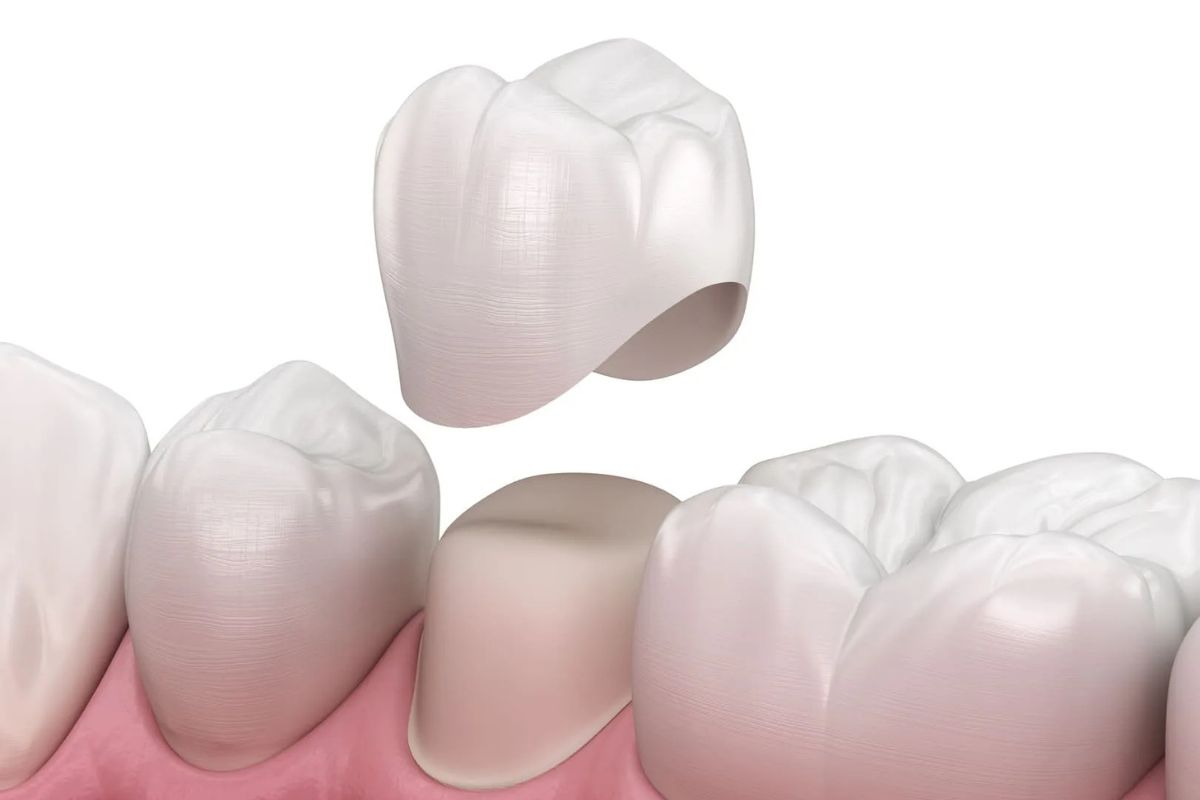
It is a custom-made cap that fits right over your tooth. It restores the shape, color, and function to look and feel natural. Typically, your dentist removes the decay, reshapes the tooth, and then takes impressions or scans to make the crown. Once it’s placed, the crown acts like a shield protecting what’s left of your natural tooth while making it strong enough to handle chewing and everyday use.
When Crowns Are the Better Choice?
While large cavities are one of the most common reasons for this procedure, they are not the only situation where this treatment is recommended. Teeth that have undergone a root canal, for example, often become brittle and are more prone to breaking, making crowns a logical next step. Dental crowns in Boise are also an ideal solution for teeth that are cracked or chipped, especially if the damage cannot be repaired with a filling alone.
People who grind or clench their teeth may also need crowns, since constant pressure can wear down enamel and weaken the tooth’s structure. In other cases, crowns are chosen for cosmetic reasons, such as when a tooth is severely discolored or misshapen. In all of these situations, crowns don’t just protect, they help restore comfort, appearance, and function.
The Real Benefits of Dental Crowns
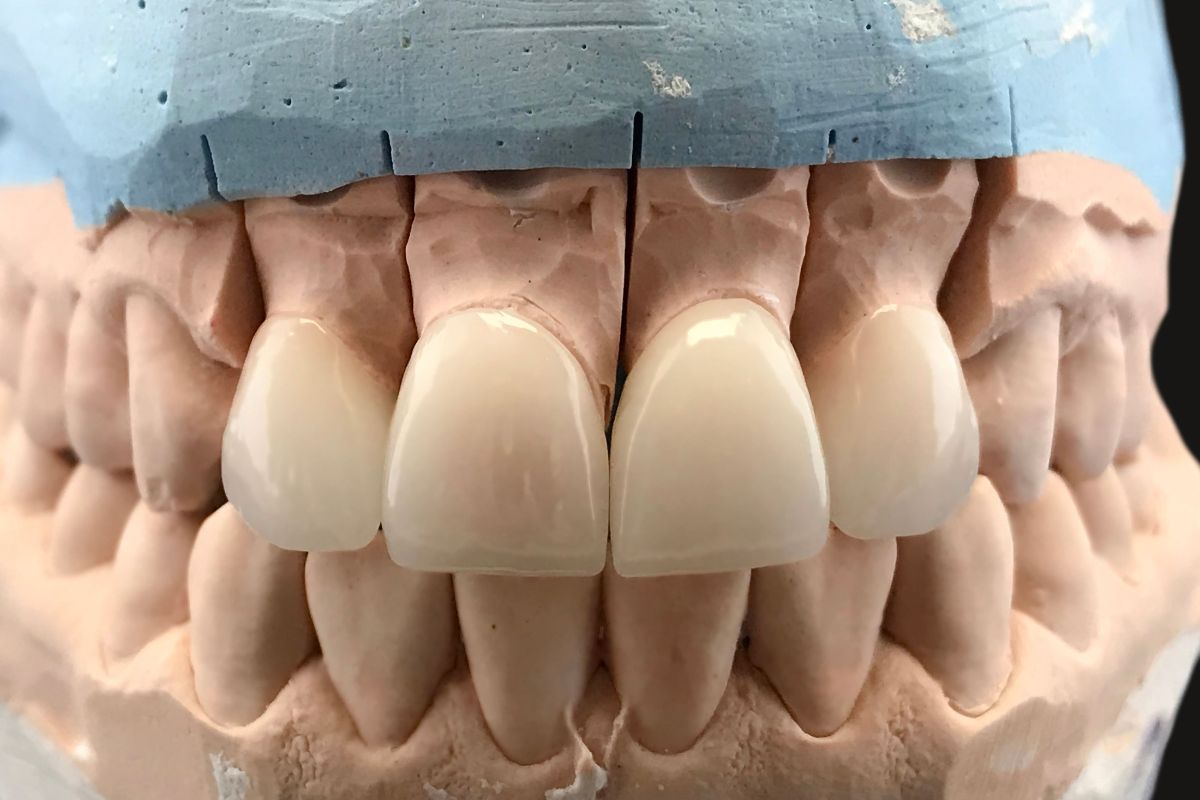
The decision to get a crown after a large cavity offers benefits that go far beyond patching up damage. The most obvious advantage is strength. A crown provides reinforcement to a weakened tooth, ensuring it can handle daily pressure without fracturing. Crowns are also designed to look natural, which means you won’t have to worry about anyone noticing the restoration.
Another key benefit is prevention. By covering and protecting what remains of the tooth, a crown reduces the risk of further decay or the need for more invasive treatments in the future. Finally, crowns help restore function. Eating, speaking, and smiling all become easier when you know your tooth is secure. When you consider that most crowns last ten to fifteen years, it is clear they are a long-term investment in both oral health and peace of mind.
Why Not Just Try a Bigger Filling?
It is a fair question. After all, fillings are quicker and less involved. The problem is that large fillings put stress on the remaining tooth structure. Imagine plugging a giant hole in a thin piece of wood; the pressure around it makes cracks more likely. Once that tooth breaks, the only choices left might be a root canal or even extraction. A cap prevents that cycle by evenly distributing pressure and protecting the tooth.
How to Take Care of a Crown?
Crowns do not require special treatment, but they do need the same care as natural teeth. Daily brushing and flossing keep the gums healthy and prevent decay around the crown. Regular dental visits are also key for checking fit and stability. With the proper care and by avoiding habits like chewing ice, your dental crowns can last well over a decade.
Fillings are great for small problems, but large cavities usually need more support. A crown offers strength, protection, and a natural look that can help you avoid bigger dental issues down the road. If you’re considering dental caps, now is the time to talk to a dentist you trust. To protect your teeth and restore your smile with confidence, schedule an appointment with Summit Dental Group or give our dental clinic a call today.
FAQs
When is a dental crown needed instead of a filling?
A crown is recommended when the cavity is too large, and the remaining tooth structure is too weak to support a filling. Fillings work well for small cavities, but a crown provides strength and stability for severely damaged teeth.
How does a dental crown protect a tooth?
A crown acts like a cap that covers the entire tooth. It restores its shape, strengthens it for chewing, and shields it from further decay or fractures.
How long do dental crowns last?
With proper care like daily brushing, flossing, and routine dental checkups, most crowns last between 10 to 15 years, and sometimes even longer.
Are dental crowns only for cavities?
No. Crowns are also used for cracked, chipped, worn-down teeth, or even for cosmetic reasons such as severe discoloration or misshaped teeth.
How do I know if I need a dental crown?
The best way to know is by visiting your dentist. They’ll evaluate the size of the cavity, the condition of the tooth, and whether a filling can hold up or if a crown is the safer choice.