At Summit Dental Group in Boise, we often see patients who think a missing tooth is just a cosmetic issue. What many don’t realize is that losing a tooth can slowly lead to something more serious—jawbone loss. This problem can affect your oral health in the long run, but there’s good news: dental implants can help stop it from happening.
Why Does the Jawbone Start to Shrink?
Your teeth do more than just help you chew—they also keep your jawbone healthy. When you bite or chew, the roots of your teeth press into the jawbone. This action tells your body to keep the bone strong.
When a tooth is lost and not replaced, that pressure goes away. Over time, the bone under that empty spot begins to wear down. This bone loss can change how your face looks and make future dental work more difficult.
How Dental Implants Keep the Bone Active
Dental implants are one of the only tooth replacement options that can help stop jawbone loss. Here’s how they work:
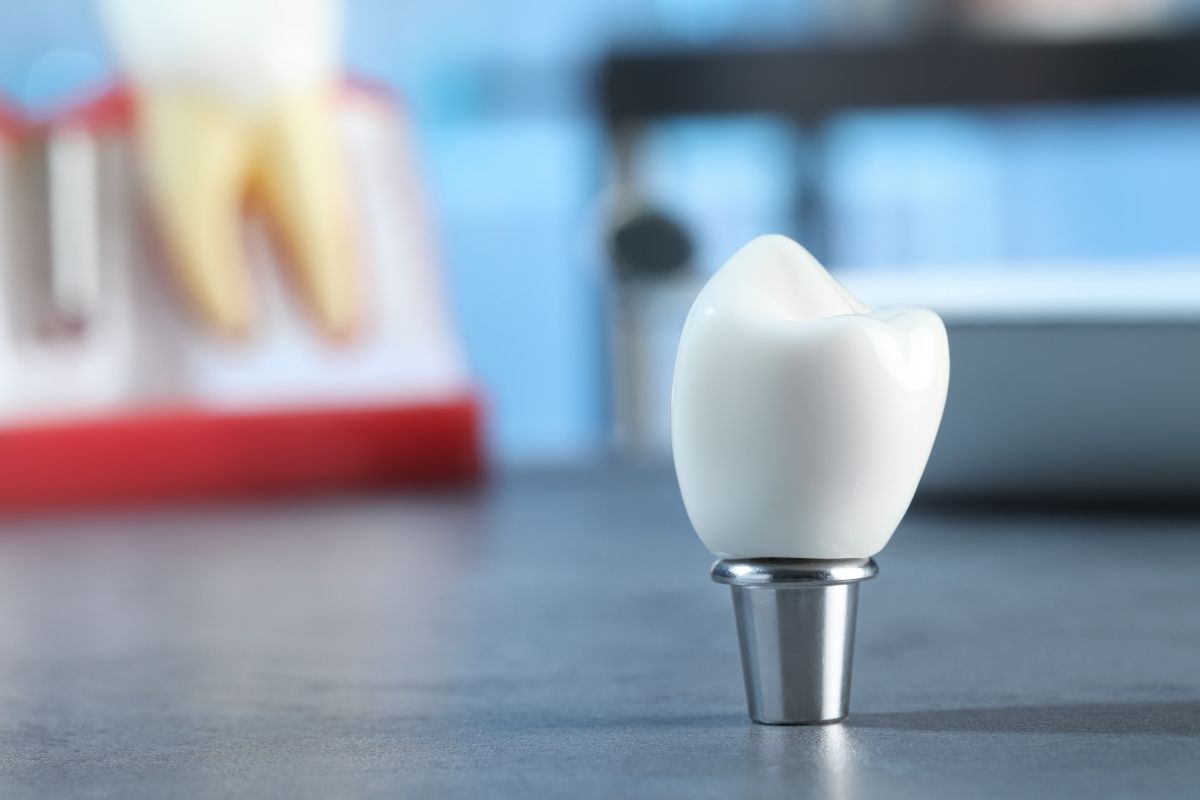
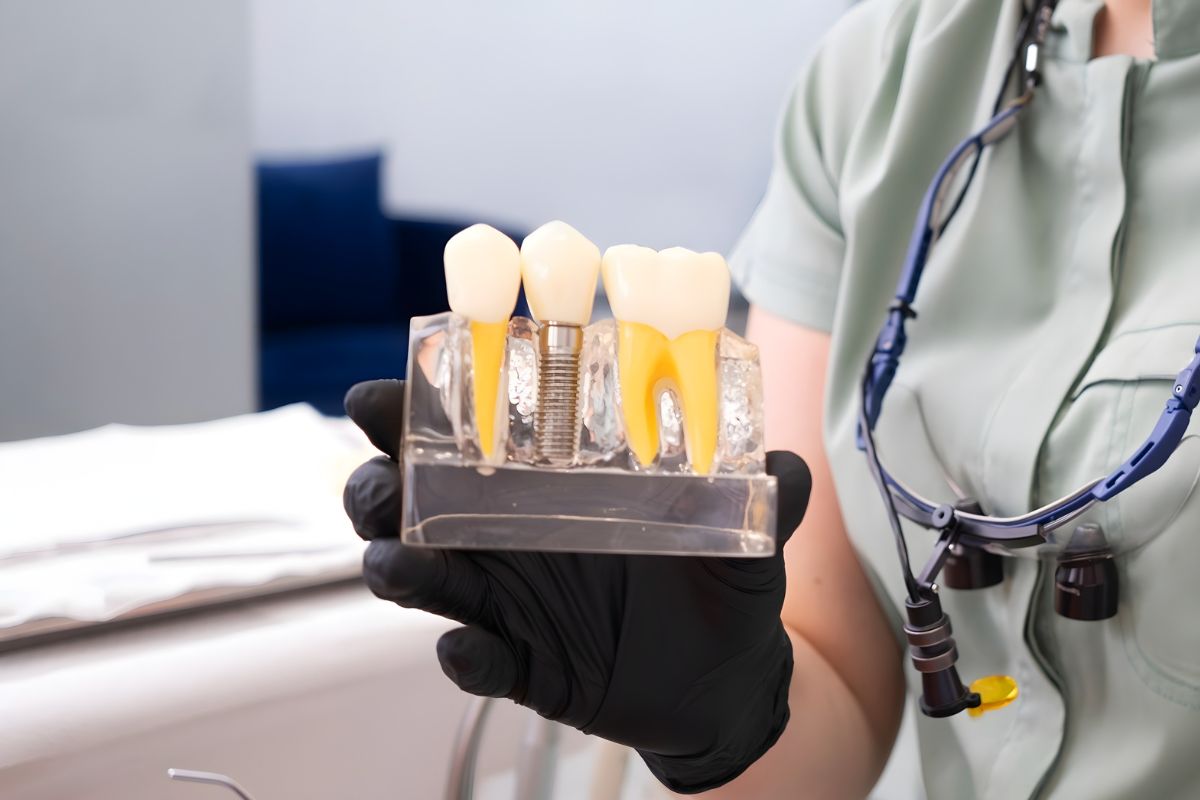
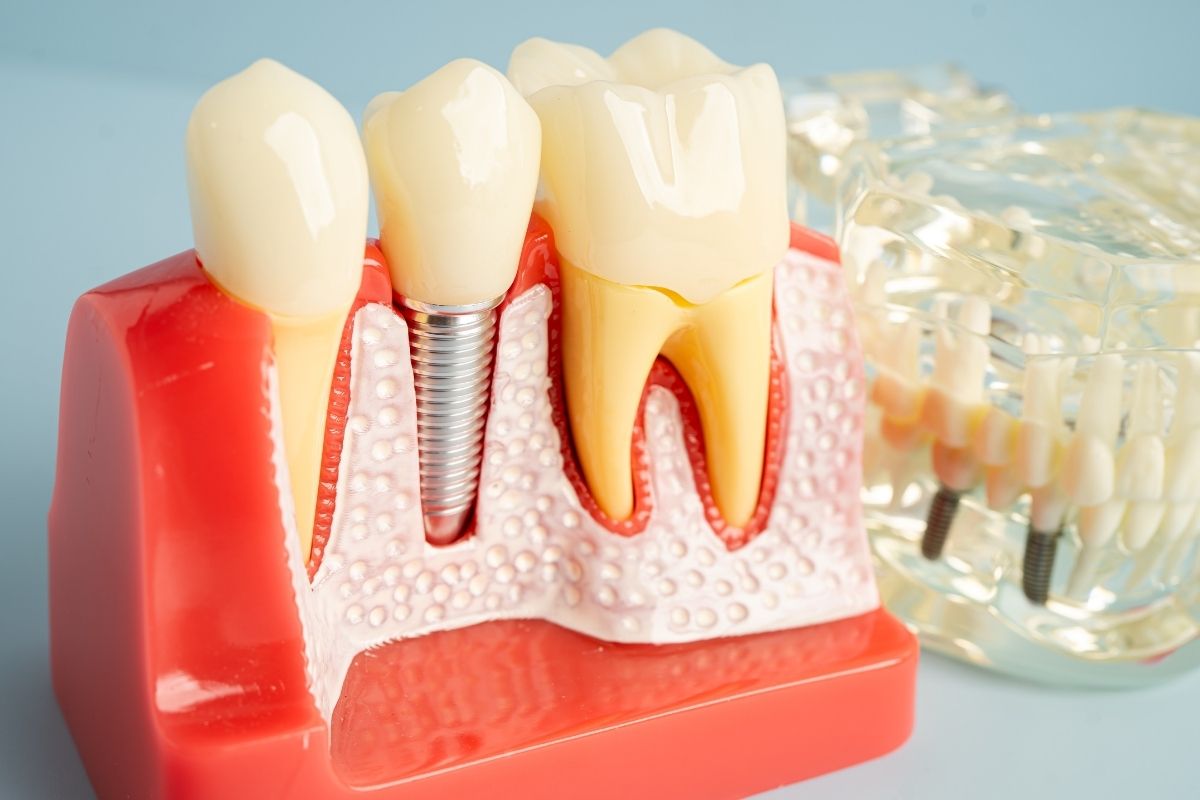
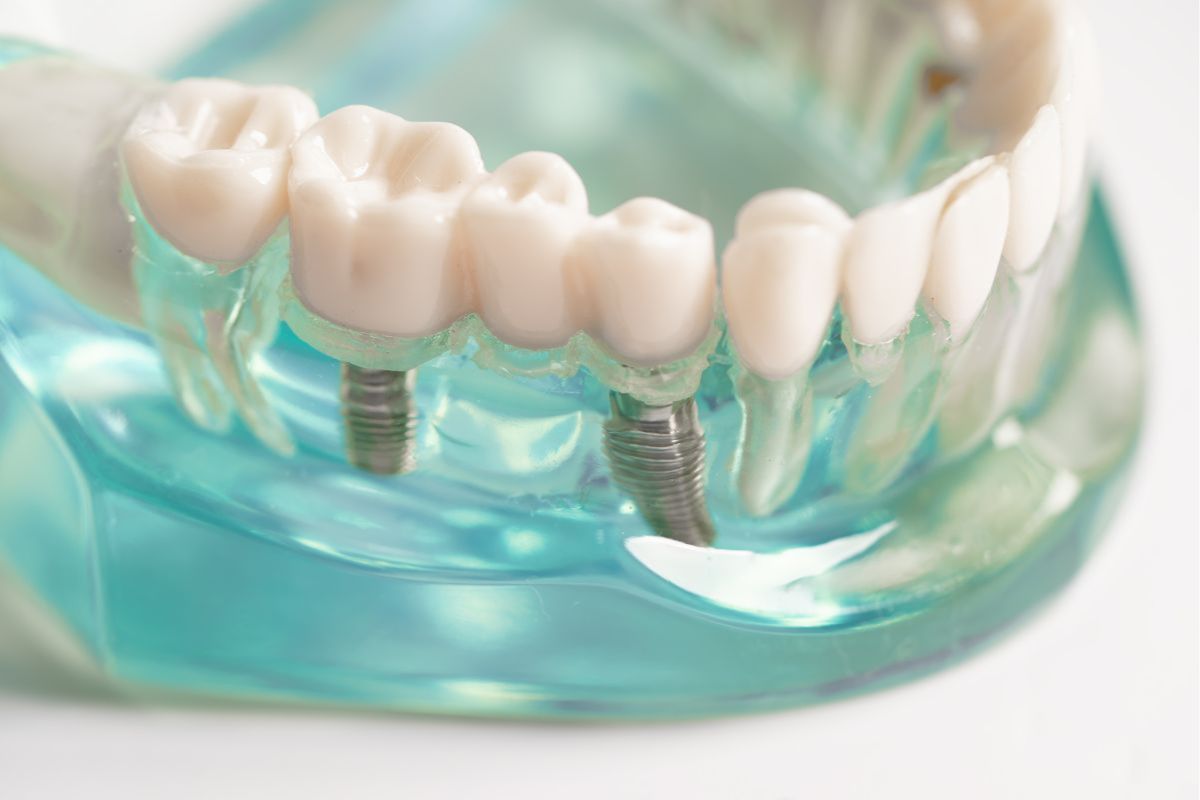
- They go into the bone – The implant is a small post that acts like a tooth root. It’s placed into the jaw where your natural tooth used to be.
- They help the bone stay strong – Once in place, the implant encourages the bone to stay active and grow around it. This keeps the bone from breaking down.
- They keep your bite in balance – Replacing a missing tooth helps keep other teeth from shifting. When your bite stays even, it puts less stress on the jaw.
Other Reasons to Consider Dental Implants
Aside from protecting your jawbone, dental implants come with several lasting benefits:
- They look and feel real – You can talk and eat without worry.
- They stay in place – No slipping like dentures.
- They’re long-lasting – Many people keep them for years with basic care.
- They’re easy to clean – Just brush and floss like you do with natural teeth.
Unlike other tooth replacements that sit on the surface, implants become part of your jaw. That’s what makes them a strong, lasting solution.
When Is the Right Time for an Implant?
If you’ve recently lost a tooth, it’s best not to wait too long. Bone loss can begin within months after a tooth goes missing. The sooner you replace it, the better your chances of keeping your jawbone healthy.
In some cases, if too much bone has already been lost, extra steps might be needed before placing the implant. That’s why it’s helpful to talk with a dentist early on.
Conclusion
Missing teeth do more than affect your smile—they can lead to bigger issues like jawbone shrinkage. Dental implants help stop this process by replacing the root of the tooth and keeping the bone working like it should.
At Summit Dental Group in Boise, we focus on solutions that last. If you’re missing a tooth or thinking about your options, learning about implants is a smart step toward protecting your long-term dental health. Schedule your consultation today to see if a dental implant is the right choice for you. We’re here to help every step of the way.