782 S Americana Blvd, Boise, ID 83702

How Does a Root Canal Help Stop Tooth Infection Before It Worsens?


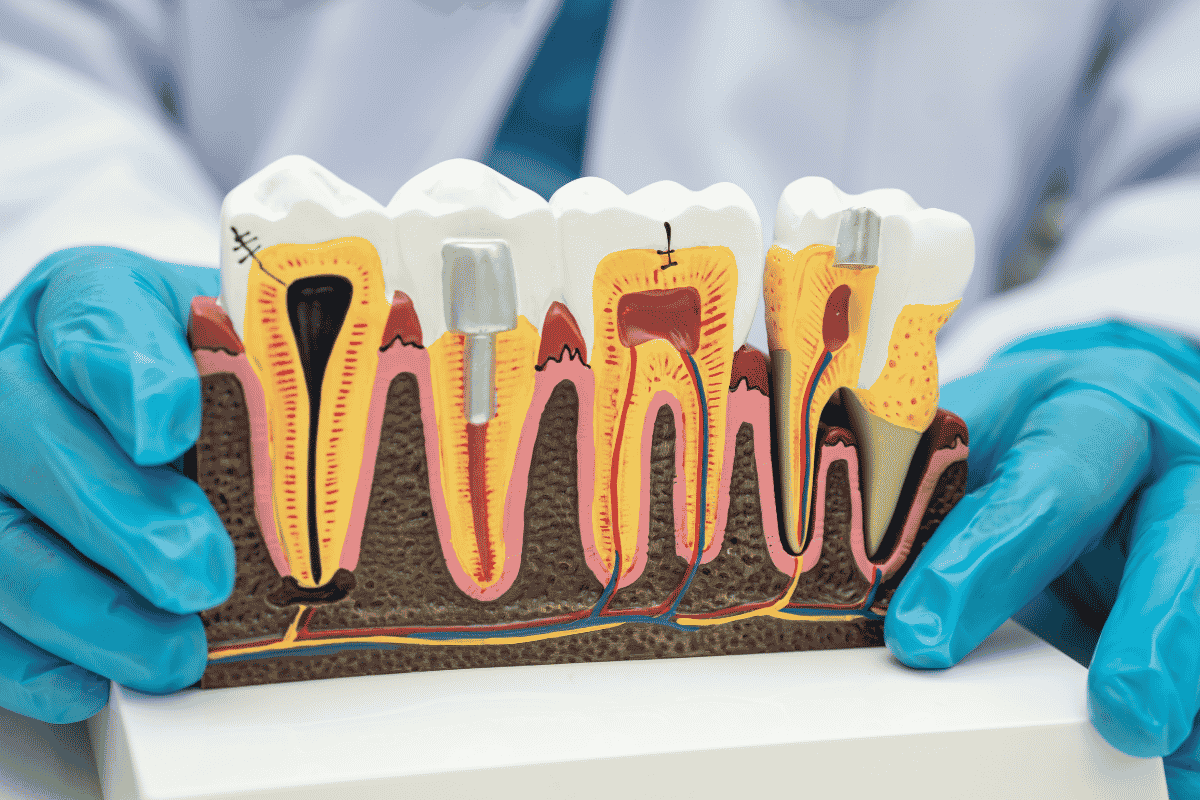
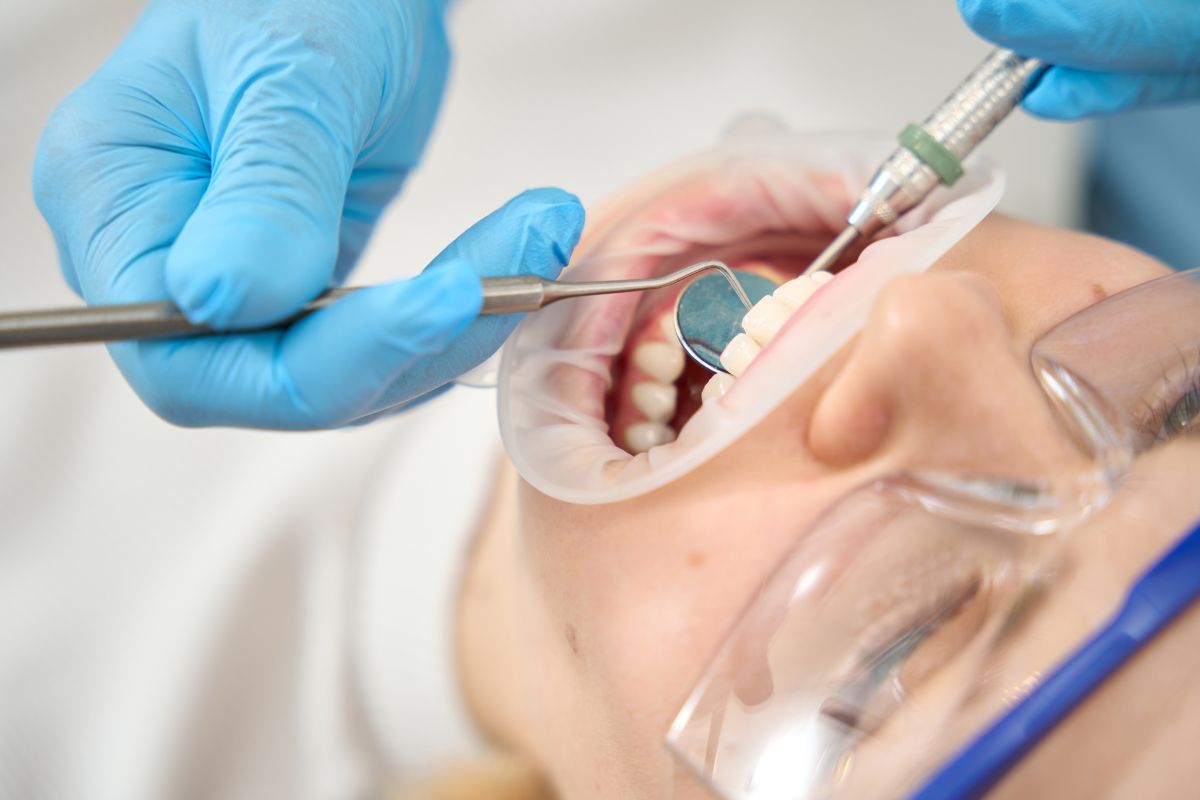
A root canal helps stop a tooth infection by removing infected tissue from inside the tooth, cleaning the area, and sealing it to prevent bacteria from spreading. If treated early, it can help save your natural tooth, ease pain, and stop infection from becoming a more serious dental problem. For people dealing with tooth pain or swelling, seeking timely care, including root canal treatment, can help prevent complications and restore comfort.
Why Does a Tooth Infection Happen?
A tooth infection usually starts when bacteria enter the inner part of a tooth, known as the pulp. This soft area contains nerves and blood vessels that help keep a tooth healthy. When deep decay, cracks, repeated dental work, or trauma expose the pulp, bacteria can settle in and trigger infection.
Many people notice symptoms gradually, while others experience sudden discomfort. Common signs include:
- Ongoing tooth pain or sensitivity
- Swollen gums near the tooth
- Pain while chewing or biting
- Tooth discoloration
- Lingering sensitivity to hot or cold foods
- A pimple-like bump near the gums
Ignoring these warning signs may allow the infection to spread deeper into nearby tissues.
How Does a Root Canal Stop Infection?
A root canal is designed to remove infection before it spreads and damages surrounding structures. Understanding how root canal therapy protects your tooth can also help patients see why early care matters when pain, swelling, or sensitivity begins to appear. The treatment focuses on removing infection inside the tooth while preserving the natural tooth structure whenever possible.
Removes Infected Tissue
The first step involves removing infected or damaged pulp from inside the tooth. Since the infection develops in this inner chamber, eliminating the source helps stop bacteria from continuing to grow. Once infected tissue is removed, pressure inside the tooth often decreases, helping reduce pain and discomfort.
Cleans and Disinfects the Tooth
After removing damaged tissue, the inside of the tooth is carefully cleaned and disinfected. This step helps remove remaining bacteria and lowers the chance of infection returning. Cleaning the inner canals is important because bacteria can remain hidden in tiny spaces if left untreated.
Seals the Tooth Against Future Infection
After cleaning, the tooth is sealed to prevent bacteria from re-entering. In many situations, a dental crown may also be recommended to strengthen and protect the treated tooth. Sealing the tooth helps preserve long-term function while reducing the risk of future problems.
What Happens If a Tooth Infection Is Left Untreated?
Tooth infections rarely improve on their own. In many cases, they worsen over time and may affect nearby gums, bone, or neighboring teeth. When treatment is delayed, problems may include:
Increased Pain and Swelling
What begins as mild discomfort can turn into severe tooth pain, facial swelling, or tenderness that interferes with daily life.
Spread of Infection
An untreated infection can spread into surrounding tissues. In advanced cases, infection may reach nearby bone and create more complex oral health concerns.
Tooth Loss
Without proper care, infection can weaken the tooth structure and surrounding support, making it harder to save the tooth later. For this reason, early treatment often offers the best chance of preserving a natural tooth.
Signs You May Need a Root Canal
People sometimes assume tooth pain will go away with time, but persistent symptoms often suggest deeper problems. You may benefit from a root canal if you experience:
- Severe tooth pain that does not improve
- Sharp pain while chewing
- Long-lasting sensitivity to hot or cold drinks
- Gum swelling around one tooth
- Darkening or discoloration of a tooth
- Pressure or tenderness in the affected area
When these symptoms appear, a dental exam can help determine whether the tooth pulp has become infected.
Is a Root Canal Painful?
One of the biggest concerns patients have is whether treatment hurts. In reality, modern dental care focuses on keeping patients comfortable.
Most people describe the procedure as feeling similar to receiving a filling. Since local anesthesia numbs the area, the treatment itself is generally comfortable. In fact, many patients feel relief afterwards because the infected tissue causing pain has been removed.
The bigger issue is often delaying care, which can allow discomfort to worsen.
Why Acting Early Matters
Treating infection early often means simpler care and better outcomes. When infection spreads, treatment may become more involved and could even lead to tooth loss.
Choosing timely care gives dentists a better opportunity to:
- Save the natural tooth
- Stop infection from spreading
- Restore comfortable chewing and biting
- Protect nearby teeth and gums
- Improve long-term oral health
For residents experiencing persistent tooth pain, seeking root canal treatment in Boise sooner rather than later may help prevent avoidable complications.
How Long Does Recovery Take?
Most people return to normal routines quickly after treatment. Mild soreness or tenderness for a few days is common, especially if infection was present beforehand. Dentists may recommend avoiding hard or sticky foods until the tooth is fully restored. Following aftercare instructions and maintaining good oral hygiene can help support healing. Regular brushing, flossing, and dental checkups also help protect treated teeth from future problems.
Conclusion
A root canal helps stop tooth infection before it worsens by removing infected tissue, cleaning the inside of the tooth, and sealing it against future bacteria. Early treatment can reduce discomfort, help preserve your natural tooth, and prevent infection from spreading into surrounding areas. Paying attention to symptoms such as persistent pain, swelling, or sensitivity can make a meaningful difference in protecting long-term oral health.
If you are dealing with ongoing tooth pain, swelling, or sensitivity, the team at Summit Dental Group in Boise can evaluate your symptoms and recommend the right care. Scheduling an exam early may help stop infection before it becomes a more serious concern.
FAQs
How does a root canal stop a tooth infection from getting worse?
A root canal stops a tooth infection by removing infected tissue inside the tooth, cleaning the area, and sealing it to keep bacteria from spreading. Treating the problem early can help save the natural tooth and reduce the risk of swelling, pain, or infection spreading to nearby tissues.
Can a root canal completely remove tooth infection?
In many cases, yes. A root canal is designed to remove infected pulp and clean the inside of the tooth to reduce harmful bacteria. Once the tooth is sealed and restored, the infection is often successfully controlled while preserving the natural tooth.
What are the signs that I may need a root canal?
Common signs include severe tooth pain, swelling near the gums, pain when biting, sensitivity to hot or cold temperatures, tooth discoloration, or tenderness that does not improve. A dental exam can determine whether the inner tooth pulp is infected.
Can a root canal save an infected tooth?
Yes, one of the main goals of a root canal is to save a natural tooth that has become infected. By removing damaged tissue and sealing the tooth, treatment helps restore function while avoiding extraction whenever possible.
How long should I wait before getting a root canal for tooth pain?
It is best not to wait if tooth pain lasts more than a few days or worsens over time. Symptoms such as swelling, pressure, lingering sensitivity, or pain while chewing may suggest infection that needs prompt care.