782 S Americana Blvd, Boise, ID 83702

Why Your Root Canal Needs a Crown to Actually Work


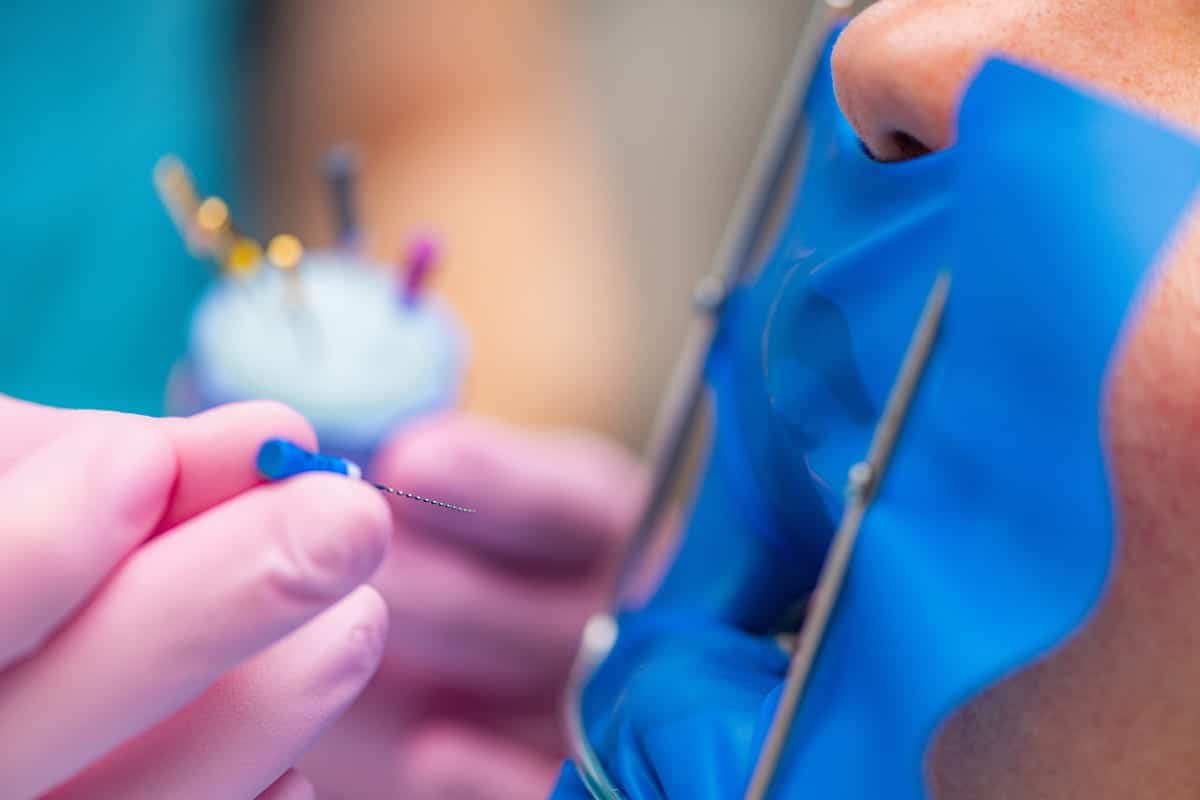
If you recently had a root canal, you may be wondering why your dentist is recommending a crown. Many Garden City patients assume the root canal is the final step. Understanding why your root canal needs a crown to actually work in Garden City can save your tooth and your smile long-term. Dr. Zach Richardson at Summit Dental Group wants you to feel confident about every step of your treatment.
What Happens to a Tooth After a Root Canal?
A root canal removes infected or damaged pulp from inside your tooth. The tooth is then cleaned, sealed, and filled with a special material. This process relieves pain and stops the infection from spreading further.
However, the tooth is now structurally weaker than before. The removal of the pulp means the tooth no longer receives moisture or nutrients from the inside. Over time, this makes the tooth more brittle and prone to cracking.
Think of it like a hollow log versus a solid one. The hollow version breaks far more easily under pressure. A crown restores that outer strength and protects the tooth from everyday biting and chewing forces.
Why Your Root Canal Needs a Crown to Actually Work in Garden City
A crown acts as a protective cap placed over the treated tooth. Without it, the tooth remains vulnerable to fracture, re-infection, and eventual loss. This is why completing treatment with a Dental Crowns Garden City appointment is considered essential, not optional.
The crown seals the tooth completely. This prevents bacteria from re-entering the root canal system and causing another infection. It also restores the tooth’s full shape, size, and function.
Most back teeth — molars and premolars — take on heavy chewing forces every day. A crown is especially critical for these teeth. Front teeth may sometimes be restored with a filling alone, but your dentist will advise the best option based on your specific situation.
What Happens If You Skip the Crown?
Skipping the crown is one of the most common mistakes patients make after a root canal. It might seem like a way to save time or money in the short term. But the long-term consequences can be far more costly and painful.
Here is what can happen without a crown after a root canal:
- The tooth may crack or split under normal chewing pressure
- Bacteria can re-enter the tooth and cause a new infection
- The temporary filling used after the root canal can wear down or fall out
- The tooth may eventually need to be extracted entirely
- You may need to consider a replacement option, such as Dental Implants Garden City
Losing the tooth entirely after investing in a root canal is a frustrating outcome. Protecting your investment with a crown is the smart and effective next step. Dr. Richardson and the Summit Dental Group team always recommend completing both steps of treatment.
What Does the Crown Appointment Actually Involve?
Many Garden City patients feel anxious about getting a crown. Knowing what to expect helps make the appointment much more manageable. The process is straightforward and typically completed in one or two visits.
Here is a step-by-step overview of what to expect during your crown appointment:
- Tooth preparation: The dentist shapes the treated tooth so the crown fits securely over it.
- Digital X-Rays: Our team uses digital imaging to ensure the fit and placement are precise.
- Impression or scan: We take a digital scan or mold of your tooth to create a custom crown.
- Temporary crown: A temporary crown protects the tooth while the permanent one is being made.
- Permanent crown placement: At your follow-up visit, we bond the permanent crown securely in place.
- Final adjustments: We check your bite and make any small refinements for comfort.
The appointment is typically painless. Local anesthetic keeps you comfortable throughout the process. Most patients return to normal activities the same day.
How Long Does a Crown Last After a Root Canal?
A well-placed crown can last anywhere from 10 to 15 years or longer. Proper oral hygiene and regular dental visits make a significant difference in crown longevity. Brushing, flossing, and avoiding habits like chewing ice help protect your crown.
Routine teeth cleaning appointments at Summit Dental Group also help monitor the crown over time. Your dentist can catch early signs of wear, shifting, or damage before they become bigger problems. Staying consistent with check-ups is the best way to protect your dental investment.
If you grind your teeth at night, Dr. Richardson may also recommend a night guard. Grinding puts excessive pressure on crowns and natural teeth alike. A custom night guard adds an extra layer of protection for your restored tooth.
Frequently Asked Questions
Is a crown always required after a root canal?
In most cases, yes — especially for back teeth that handle heavy chewing. Front teeth may sometimes be restored with a filling, but your dentist will evaluate your specific tooth and recommend the best option. Skipping the crown on a back tooth significantly increases the risk of fracture and treatment failure.
How soon after my root canal should I get a crown?
Most dentists recommend getting your crown placed within a few weeks of completing the root canal. Waiting too long leaves the tooth unprotected and at risk. Dr. Richardson will give you a specific timeframe based on your treatment and healing progress.
Will getting a crown hurt?
The crown appointment is performed with local anesthetic, so discomfort during the procedure is minimal. You may experience mild soreness or sensitivity for a day or two afterward. Over-the-counter pain relief is typically all that is needed during recovery.
Can the crown fall off after a root canal?
A properly bonded crown rarely falls off, but it can happen over time due to normal wear or injury. If your crown feels loose or comes off, contact your dentist promptly. Leaving the tooth exposed can lead to damage or re-infection.
What if my root canal tooth needs to be extracted instead?
In some cases, a tooth may be too damaged to save with a crown. If extraction becomes necessary, there are excellent replacement options available. Many patients in Garden City choose dental implants to restore both function and appearance after tooth loss.
At Summit Dental Group, Dr. Zach Richardson is dedicated to helping Garden City patients protect their smiles with complete, effective care. If you have recently had a root canal or are planning one, do not wait to discuss your crown options. Book Now to schedule your appointment with our team.