782 S Americana Blvd, Boise, ID 83702

Tips to Ensure That Your Dental Crown Lasts for Years


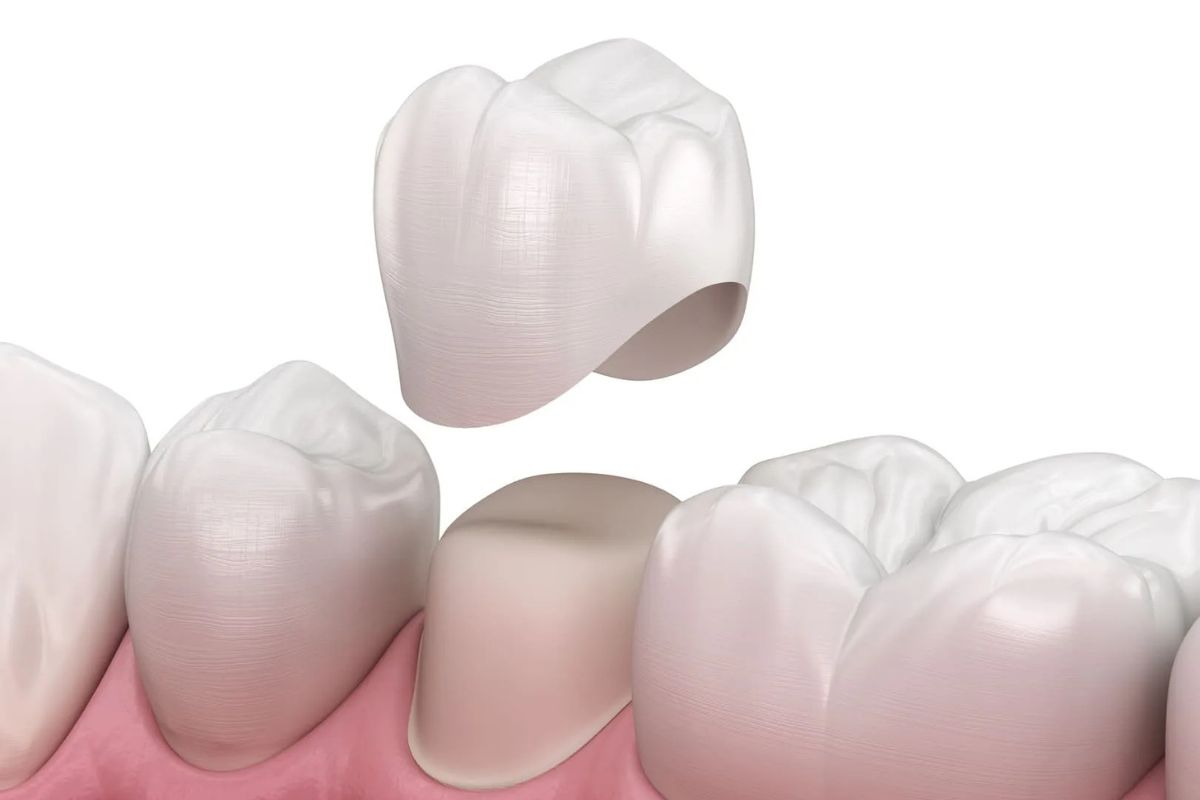
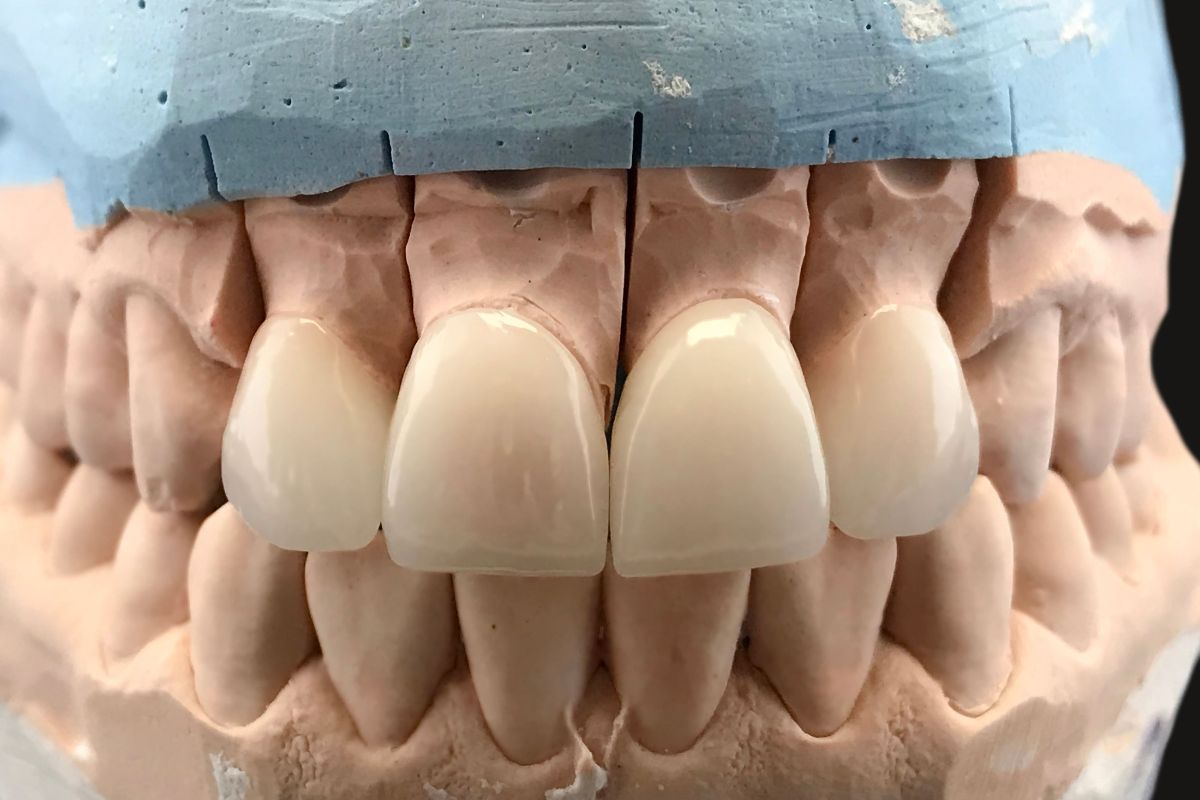
Have you been recommended to get custom-made crowns by your dentist lately? These restorations are commonly recommended when a tooth is significantly damaged. While dental caps are durable and restore both appearance and function, they require proper care to stay in good condition. With the right habits and awareness, your crown can remain intact and functional for many years. Read this blog for practical and proven tips to help extend the life of your dental restoration.
Why is Maintenance Important for Dental Crowns?
Crowns play an essential role in protecting the tooth beneath them. However, just because they’re made from strong materials doesn’t mean they are immune to damage. Neglect can lead to complications such as decay under the crown, gum irritation, or even crown failure.
Here are some key reasons why ongoing care is essential:
- Protect Natural Tooth: A well-maintained crown prevents bacteria from reaching the natural tooth structure underneath.
- Avoid Replacement: Damage or decay around a crown often requires full replacement, which can be time-consuming and costly.
- Support Oral Health: Consistent care benefits the entire mouth, not just the tooth or area with the crown.
Let’s discuss some practical strategies to ensure your crown lasts several years.
- Watch for Signs of a Poor Fit
After the procedure, it’s normal for a crown to feel slightly different. However, if discomfort, sensitivity, or bite issues persist beyond the first week, it may not be seated properly. Don’t ignore these signs. An improper fit can cause gum irritation or place uneven pressure on surrounding teeth, leading to further complications. In such cases, it’s best to approach your dentist to see if adjustments are necessary for tooth crowns.
- Commit to a Strong Oral Hygiene Routine
A dental crown may cover a tooth but it doesn’t make it immune to decay or gum issues. Brushing twice a day using a soft-bristled toothbrush and fluoride toothpaste is essential. Make sure you brush gently around the gumline where bacteria can gather.
Flossing once daily is equally important. It helps remove debris and plaque between the teeth and around the crown’s edge, areas a toothbrush can’t reach. Floss picks or water flossers can also be good alternatives if flossing is difficult due to tight spaces or discomfort.
Furthermore, an alcohol-free, fluoridated mouth rinse can protect the area by reducing harmful bacteria and strengthening the enamel.
- Regular Dental Checkups and Cleanings
Routine visits every six months help your tooth caps stay intact. These appointments allow your practitioner to monitor not only your natural teeth but also any restorations. Early detection of issues, such as decay near the margin or loosening of the crown, can prevent major complications.
Professional cleanings also target tartar buildup that you can’t remove through regular brushing at home. Your dentist can identify early signs of gum disease and provide advice tailored to your specific oral care needs.
- Avoid Harmful Habits
Biting on pens, chewing ice, and using your teeth to open packaging can compromise the structure of a crown. These habits put unnecessary pressure on natural and restored teeth and should be avoided. However, if you unconsciously chew on hard items, use sugar-free gum to redirect the habit.
- Be Mindful of What You Eat
Some foods can loosen or crack a crown. It’s best to avoid eating the following:
- Hard items like popcorn kernels, nuts, and hard candy
- Sticky substances like caramel or gummy candies
- Very chewy foods like tough meat or crusty bread
Eating these occasionally isn’t likely to cause immediate damage, but frequent consumption increases the risk of restoration failure.
- Address Teeth Grinding
Grinding can apply intense pressure that eventually causes cracks or breaks. If you suspect you grind your teeth at night, consult your dental specialist. A custom nightguard can be a highly effective way to prevent damage while you sleep.
Protect Your Tooth with a Dental Crown
Crowns are a valuable part of restorative dental care. However, you must focus on their maintenance to ensure they preserve worn teeth or serve as replacements. With consistent oral hygiene, routine consultations, and smart lifestyle choices, tooth caps can last for decades.
Are you ready for a natural-looking restoration with dental crowns in Boise? Visit our office to determine if your teeth can be preserved with this restorative dentistry solution. We can guide you on how to care for your tooth caps and maintain a healthy smile.