782 S Americana Blvd, Boise, ID 83702

Considering Invisalign in Your 30s or 40s? Why It’s Not Too Late


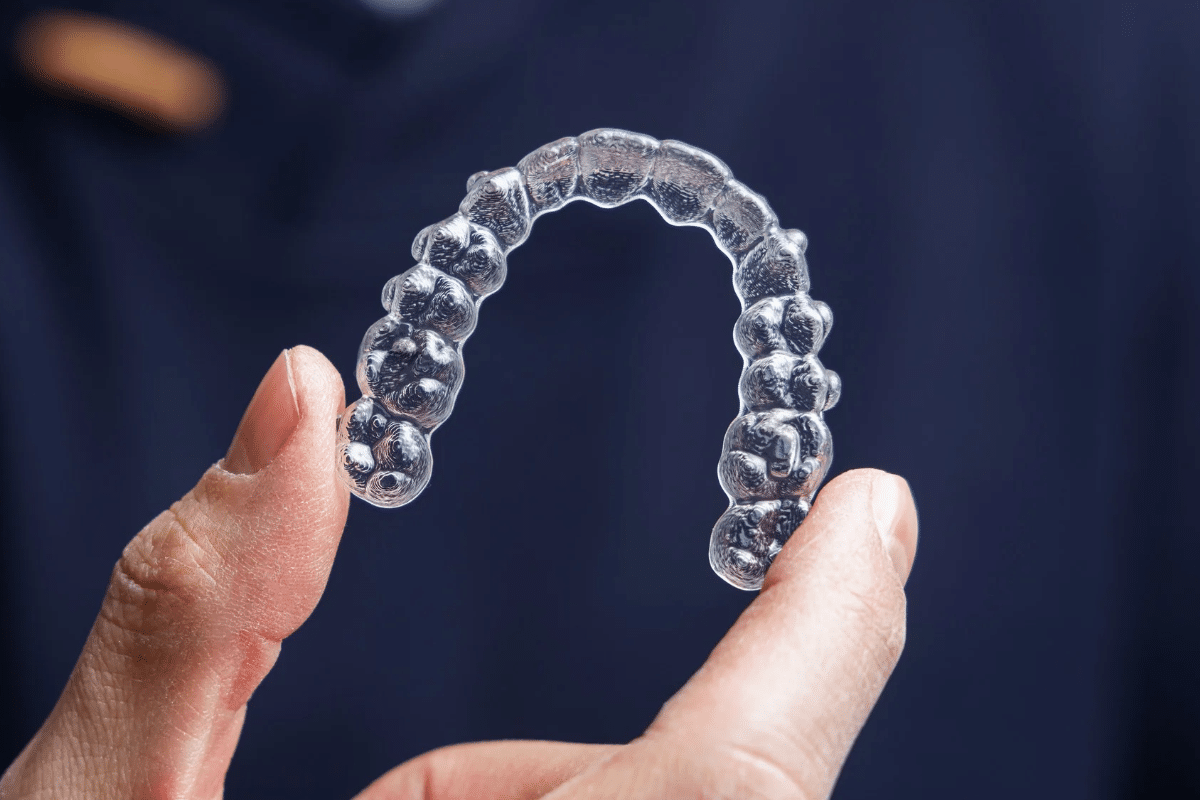
Many adults assume that straightening their teeth is something they should have done during their teenage years. However, it is never too late to consider Invisalign in your 30s or 40s, provided your teeth and gums are healthy enough for orthodontic treatment. Whether your teeth have shifted over time, you never had braces, or you simply want to feel more confident about your smile, clear aligners offer a discreet way to address alignment concerns without traditional metal braces. For adults in Boise, Invisalign can be a practical option that fits around professional responsibilities, family commitments, and everyday activities.
Why Are More Adults Considering Invisalign?
Teeth naturally change positions throughout life. Even if you had braces as a teenager, you may notice crowding, gaps, or uneven spacing developing years later. Others may have postponed orthodontic treatment because of cost, time, or personal priorities.
By your 30s or 40s, you may have a clearer idea of what you want to improve about your smile. Modern orthodontic options make it possible to address these concerns without drawing unnecessary attention to your treatment.
Some common reasons adults explore clear aligner treatment include:
- Crowded teeth: Teeth that overlap or sit too closely together can make brushing and flossing more difficult.
- Spacing issues: Noticeable gaps between teeth may affect the appearance of your smile.
- Relapse after braces: Teeth can gradually shift if retainers are not worn as recommended.
- Bite concerns: Certain alignment problems can affect how your upper and lower teeth come together.
- Uneven tooth alignment: Teeth that have moved over time may make your smile look less balanced.
An orthodontic evaluation can help determine whether Invisalign is suitable for your particular concerns.
How Does Invisalign Fit Into an Adult Lifestyle?
One of the biggest reasons adults consider clear aligners is their convenience. Unlike traditional braces, Invisalign uses a series of custom-made, transparent plastic trays that gradually move teeth into their planned positions. The aligners are removable, allowing you to take them out when eating, drinking anything other than water, brushing, and flossing.
This flexibility can be especially helpful if you:
- Attend frequent business meetings or professional events.
- Have social gatherings and family occasions.
- Travel regularly for work or personal reasons.
- Prefer not to have visible metal brackets and wires.
- Want to maintain your regular brushing and flossing routine.
For successful results, aligners generally need to be worn for 20 to 22 hours each day. Removing them too frequently can slow progress and affect the treatment timeline.
Does Invisalign Work as Well for Adults in Their 30s and 40s?
Yes, adults can achieve excellent orthodontic results with Invisalign. Age alone does not prevent teeth from responding to orthodontic treatment. What matters more is your oral health, bone support, gum condition, and the complexity of your alignment concerns. However, adult orthodontic treatment may require additional consideration. Years of wear, previous dental work, gum recession, or existing dental conditions can influence the treatment plan. For example, someone with mild crowding may need a relatively straightforward approach, while someone with significant bite problems may require more comprehensive orthodontic care.
During your Invisalign consultation in Boise, our dentist will examine your teeth, evaluate your bite, and determine whether clear aligners can address your needs. Some complex cases may benefit from traditional orthodontic treatment instead.
What Should You Expect During Invisalign Treatment?
Understanding the treatment process can help you decide whether clear aligners are right for you.
1. Initial Consultation
Your dentist will assess your teeth, gums, and bite to identify alignment concerns. Digital scans or impressions may be taken to help plan treatment.
2. Customized Treatment Plan
Based on your evaluation, a series of custom aligners will be created. Each set is designed to move specific teeth gradually.
3. Wearing Your Aligners
You will switch to a new set of aligners according to your dentist’s instructions. Consistent daily wear is important for keeping treatment on schedule.
4. Progress Monitoring
Periodic dental visits allow your dentist to check tooth movement and make adjustments if necessary.
5. Retainers After Treatment
Once your teeth reach their planned positions, retainers help prevent them from shifting back. Wearing retainers as directed is an important part of maintaining your results.
Is Your Oral Health Ready for Invisalign?
Before starting Invisalign treatment in Boise, it is important to make sure your teeth and gums are in good condition. Active gum disease, untreated cavities, and certain dental problems may need attention before orthodontic treatment begins. Adults with crowns, bridges, dental implants, or other restorations may still qualify, but these factors need to be considered when planning tooth movement.
Good oral hygiene is also essential throughout treatment. Since aligners cover your teeth for much of the day, brushing before putting them back in and cleaning the trays regularly can help reduce plaque buildup and keep your mouth healthy.
Why Consider Invisalign in Your 30s or 40s?
Your 30s and 40s can be a great time to invest in your oral health. You do not need to settle for alignment concerns simply because you missed the opportunity for braces earlier in life. With Invisalign, adults can work toward straighter teeth while maintaining a natural appearance during treatment. Better alignment may also make certain areas easier to clean, depending on your original dental concerns.
The most important step is understanding what treatment can realistically achieve for your smile. A professional evaluation helps establish whether clear aligners are appropriate and what kind of commitment will be involved.
Conclusion
Straightening your teeth is not limited to a particular age. Whether you are in your 30s or 40s, orthodontic treatment can still be an option if your teeth and gums are healthy. Changes in tooth position, old orthodontic relapse, and long-standing alignment concerns are all reasons to explore available treatment options. Invisalign offers adults a discreet and flexible approach to improving tooth alignment. However, the right treatment depends on your oral health, individual goals, and the complexity of your case.
If you have been considering straightening your teeth, schedule a consultation with Summit Dental Group in Boise. A dental evaluation can help you understand your options and determine whether clear aligners are a suitable choice for your smile.