782 S Americana Blvd, Boise, ID 83702

Teeth Shifting After Braces? How Invisalign May Help



If your teeth have started moving out of alignment years after wearing braces, you are not alone. Teeth can gradually shift even after successful orthodontic treatment, especially when retainers are not worn as recommended. Fortunately, Invisalign may help correct mild to moderate shifting without requiring traditional metal braces again. At Summit Dental Group, patients in Boise can explore clear aligner treatment to address unwanted tooth movement and restore a more balanced smile.
Why Do Teeth Shift After Braces?
Braces move teeth into their desired positions by gradually applying pressure. However, the bone and surrounding tissues need time to adjust to these changes. Even after braces are removed, your teeth can remain susceptible to movement.
Several factors can contribute to shifting after orthodontic treatment:
1. Not Wearing Retainers Consistently
Retainers help maintain the results achieved through braces. When you stop wearing them or forget to follow your dentist’s recommendations, your teeth may gradually move toward their previous positions. This is one of the most common reasons for orthodontic relapse.
2. Natural Changes With Age
Your teeth and jaw continue to change throughout adulthood. Natural aging can affect tooth alignment, sometimes causing crowding, overlapping, or changes in your bite.
3. Wisdom Teeth and Other Dental Changes
Changes in your mouth, including the eruption or positioning of wisdom teeth, may contribute to shifting. However, wisdom teeth are not the only or primary cause of crowding, and their presence does not automatically mean your other teeth will move.
4. Missing Teeth or Changes in Your Bite
When a tooth is lost, neighboring teeth may gradually move toward the empty space. This can affect your overall alignment and bite. Replacing missing teeth may be part of a broader treatment plan, with options such as dental implants considered when appropriate.
Can Invisalign Fix Teeth That Have Shifted After Braces?
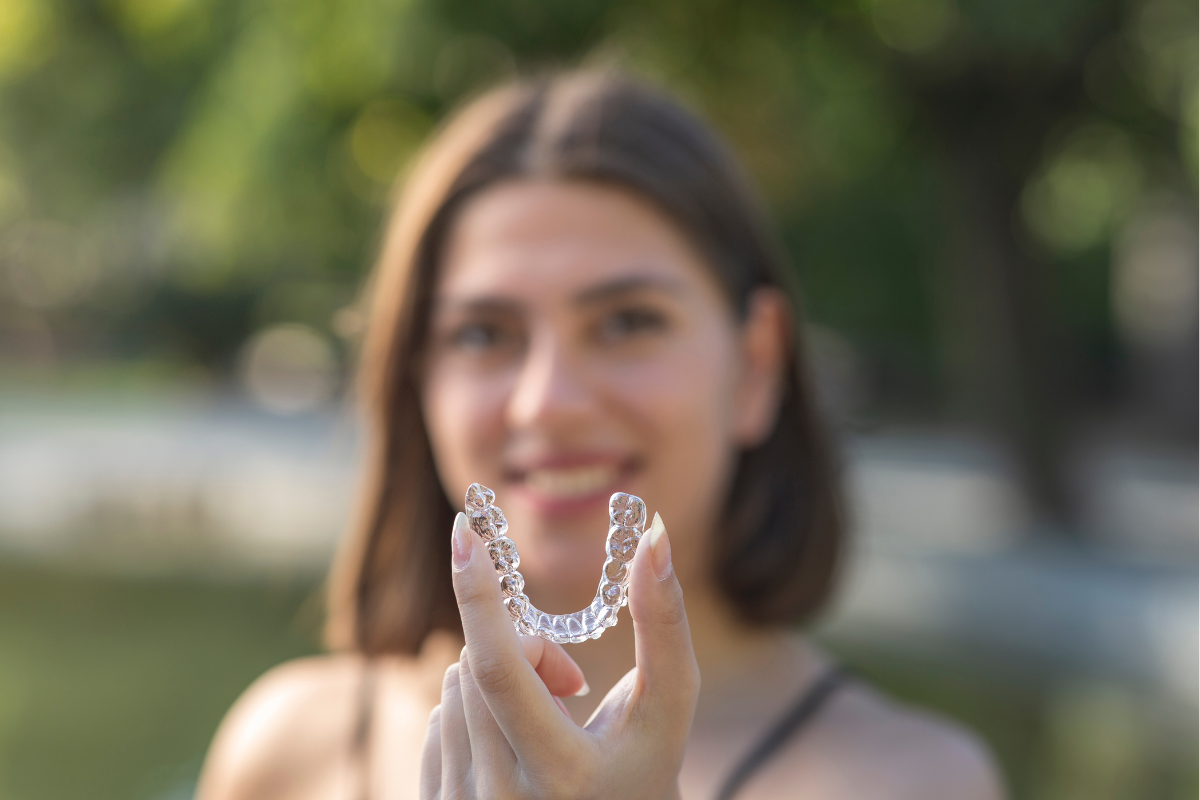
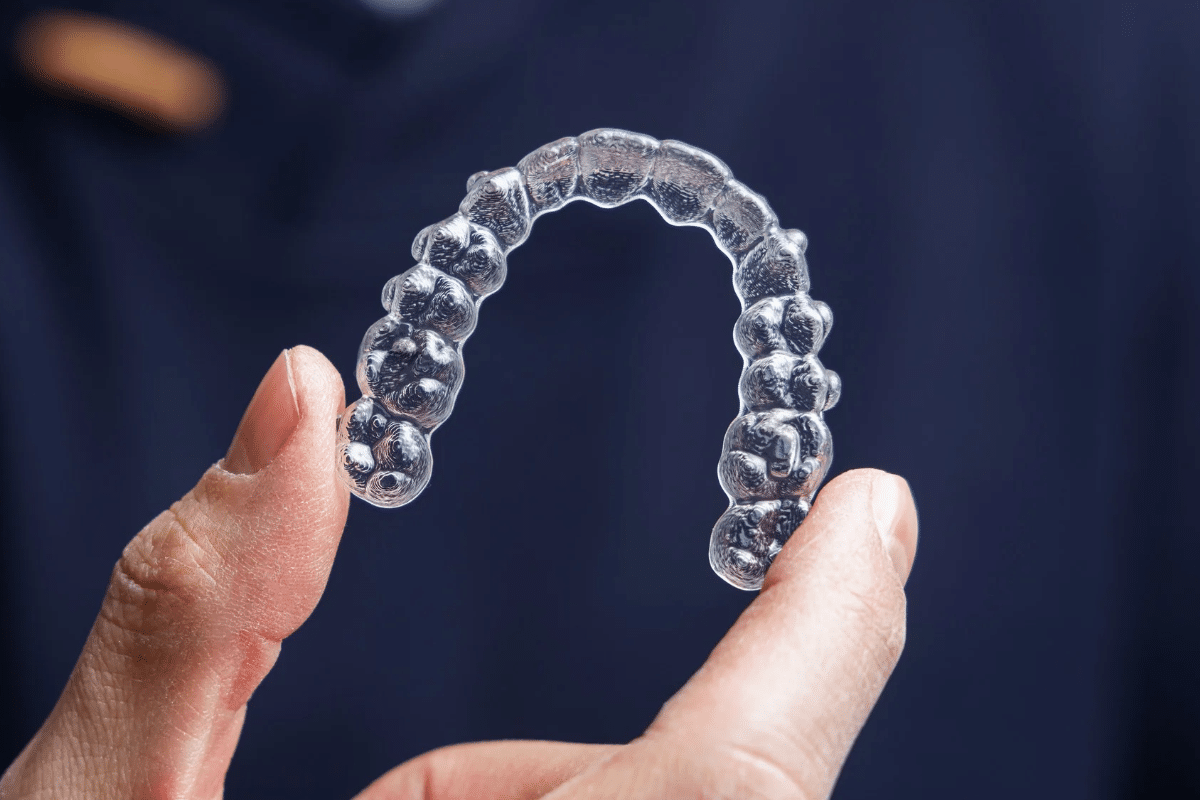
Yes, Invisalign can often correct teeth that have shifted after previous orthodontic treatment. It uses a series of custom-made, transparent aligners to apply controlled pressure and gradually move teeth into improved positions. Unlike traditional braces, these aligners are removable and do not require metal brackets or wires. This makes them a convenient option for adults who want to address orthodontic relapse without returning to conventional braces.
However, Invisalign treatment in Boise, is not suitable for every alignment problem. Your dentist will evaluate the amount of shifting, bite position, gum health, and overall dental condition before recommending treatment.
How Does Invisalign Treatment Work?
If you are considering Invisalign to correct shifting teeth, understanding the treatment process can help you know what to expect.
Initial Dental Consultation: Your dentist examines your teeth, evaluates your bite, and discusses the changes that have occurred since your previous orthodontic treatment.
Digital Treatment Planning: Digital imaging and treatment planning help determine how your teeth need to move. This information is used to create a customized series of clear aligners.
Wearing Custom Aligners: Each aligner gradually moves your teeth toward their planned positions. You will typically switch to the next set according to your dentist’s instructions.
Progress Monitoring: Periodic dental visits allow your dentist to check tooth movement and make sure treatment is progressing as expected.
Retainer Use After Treatment: Once your teeth reach their desired positions, retainers help maintain the results. Wearing them as directed is essential to reduce the risk of future shifting.
What Are the Benefits of Using Invisalign After Braces?
For adults who have already experienced traditional orthodontic treatment, Invisalign offers several advantages:
- Discreet Appearance: Clear aligners are less noticeable than traditional metal braces, making them appealing for professional and social settings.
- Removable Design: You can remove your aligners when eating, drinking anything other than water, brushing, and flossing.
- Comfortable Fit: Smooth plastic aligners avoid the brackets and wires associated with conventional braces.
- Easier Oral Hygiene: Removing the trays allows you to brush and floss normally, helping maintain healthy teeth and gums.
- Customized Treatment: Each aligner series is designed around your specific alignment needs and treatment goals.
For many adults, these features make correcting minor orthodontic relapse easier to fit into everyday routines.
Conclusion
Teeth shifting after braces does not mean your original orthodontic treatment was unsuccessful. Natural aging, inconsistent retainer use, and other dental changes can gradually affect alignment over time. Invisalign may provide an effective way to address mild to moderate orthodontic relapse while offering the convenience of removable, discreet aligners. Maintaining your results also requires consistent retainer use and regular dental checkups. Understanding what caused your teeth to shift is an important first step toward choosing the right treatment.
If your teeth have moved since your braces were removed, schedule a consultation with Summit Dental Group in Boise, ID. Call 208-963-8849 to discuss your alignment concerns and find out whether Invisalign can help restore your smile.