782 S Americana Blvd, Boise, ID 83702

How Does Invisalign Help Improve Bite Alignment and Oral Function?


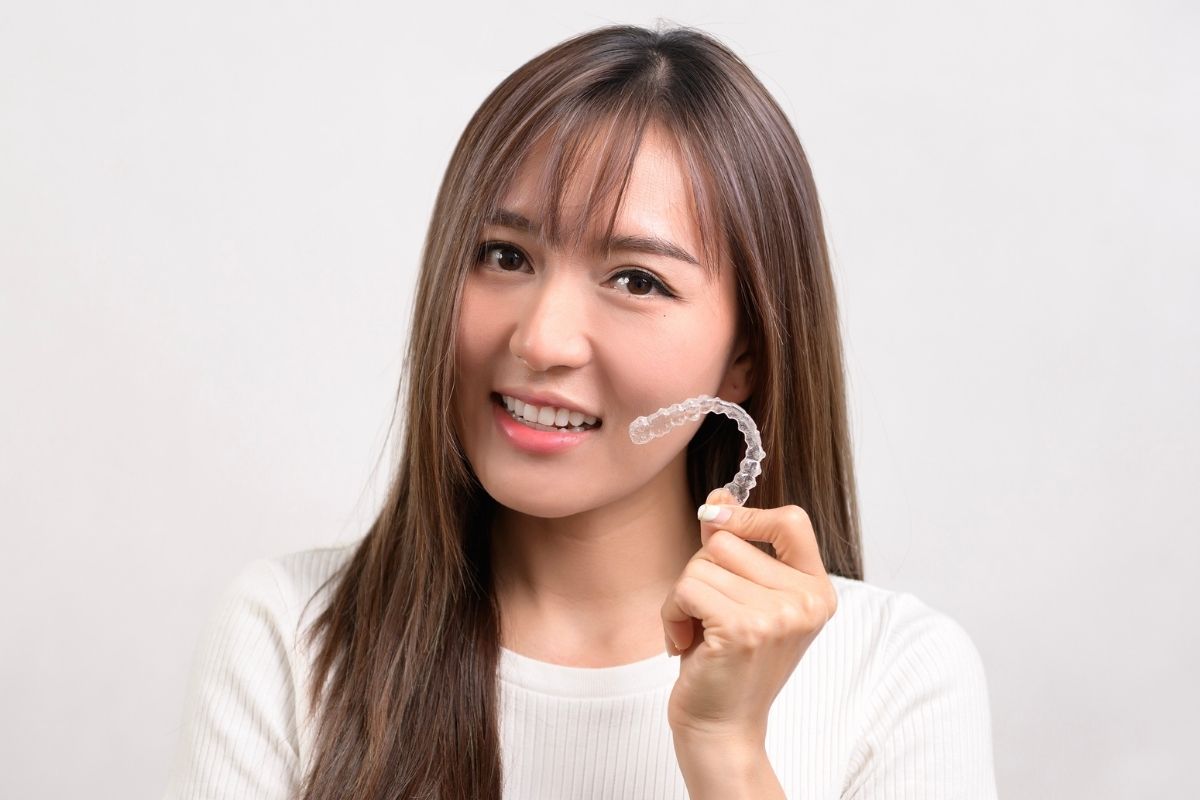
A properly aligned bite does more than improve appearance; it helps your teeth work the way they should. Many people in Boise choose Invisalign to correct bite problems because it can improve chewing, speaking, comfort, and long-term oral health while straightening teeth at the same time. If your bite feels uneven, causes jaw discomfort, or makes eating uncomfortable, Invisalign treatment may help improve both alignment and everyday function.
Why Bite Alignment Matters for Oral Health
When upper and lower teeth fit together properly, daily tasks such as chewing, biting, and speaking become easier. A poor bite, also called malocclusion, may place uneven pressure on certain teeth and jaw muscles. Over time, this can lead to discomfort, worn enamel, chipped teeth, jaw tension, or trouble cleaning crowded areas.
Many people think orthodontic care only focuses on appearance, but bite alignment plays a major role in oral function. Correcting spacing, crowding, or jaw positioning often improves comfort while protecting teeth from unnecessary wear.
Some common bite concerns include:
- Overbite
- Underbite
- Crossbite
- Open bite
- Crowded or unevenly spaced teeth
Modern clear aligners are designed to guide teeth into healthier positions gradually while improving how the bite works overall.
How Invisalign Helps Improve Bite Alignment
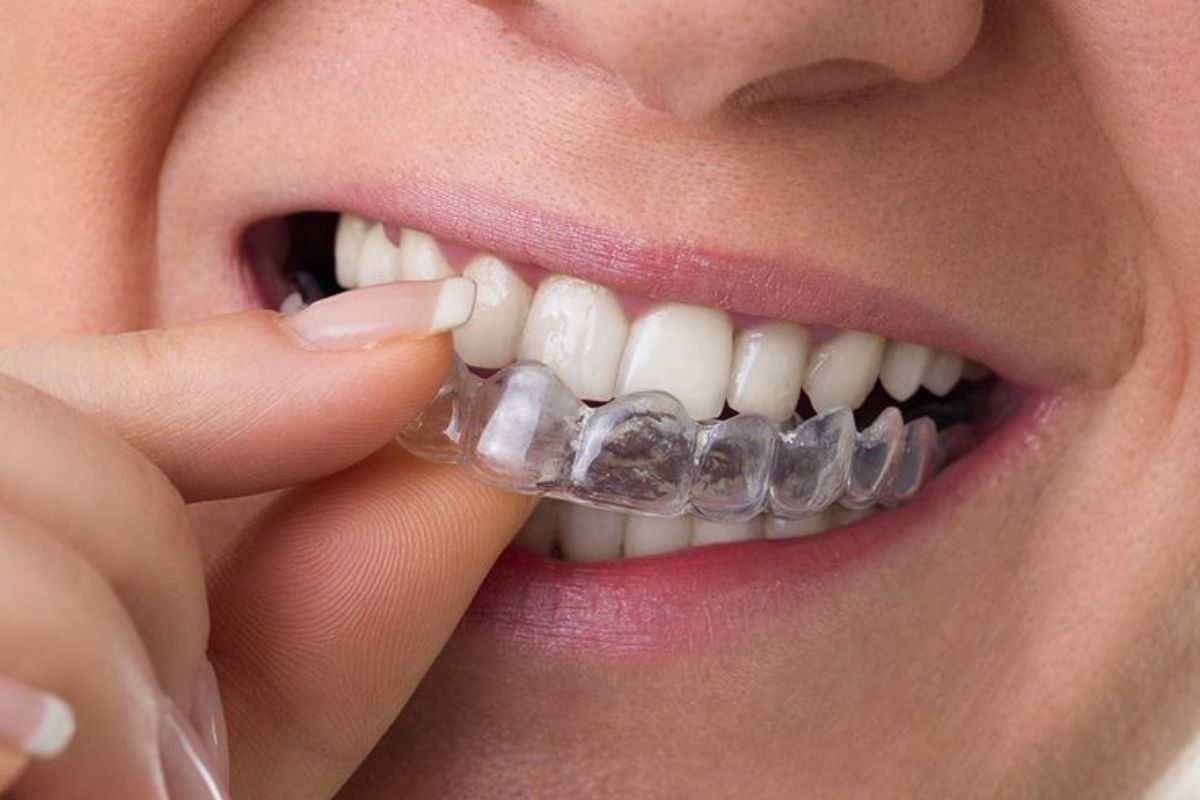
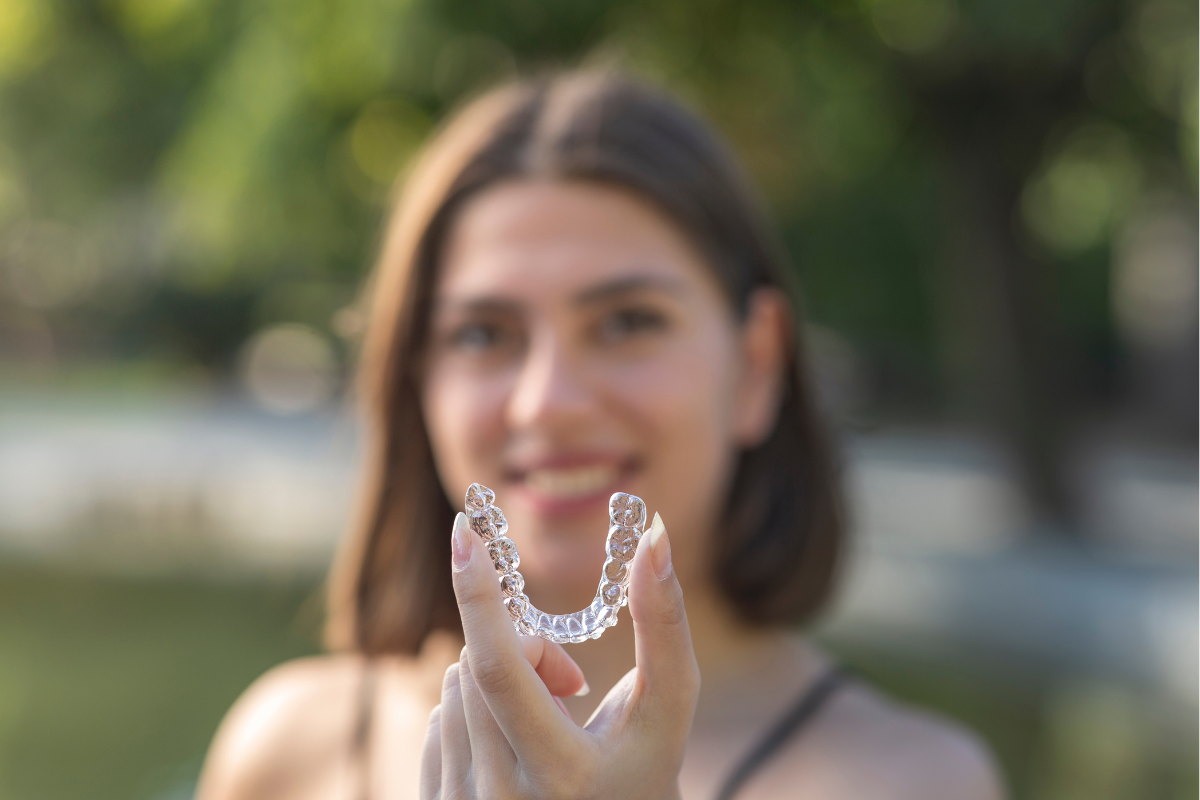
Unlike traditional braces, Invisalign uses a series of custom-made clear aligners that gently move teeth over time. Each set is designed to shift teeth little by little into a more balanced position.
Because treatment is planned digitally, dentists can map out movement carefully to improve both tooth positioning and bite function.
Corrects Uneven Pressure on Teeth
When teeth do not meet properly, some areas of the mouth absorb more pressure during chewing than others. This uneven force may contribute to worn-down enamel, tooth sensitivity, or small fractures over time.
Clear aligners gradually reposition teeth to help distribute biting pressure more evenly. A healthier bite often means less strain when eating and speaking.
Improves Chewing Efficiency
Chewing works best when teeth come together correctly. Misaligned teeth can make it difficult to break down food properly, forcing certain areas of the mouth to work harder.
By improving alignment, clear aligner therapy may help patients chew more comfortably and efficiently. Many people notice improved comfort during meals as treatment progresses.
Supports Better Jaw Function
Poor bite alignment may place added pressure on jaw muscles and joints. In some cases, this contributes to jaw soreness, tightness, or discomfort after eating.
Correcting bite issues can help reduce unnecessary strain on oral structures. While treatment goals vary by patient, improved tooth positioning may help support smoother jaw movement and overall comfort.
Helps Reduce Tooth Wear
Teeth that rub together unevenly can wear down faster. Grinding, clenching, or poor alignment may speed up enamel damage and increase the risk of cracks.
Because Invisalign works to reposition teeth more evenly, treatment may reduce harmful friction and help preserve natural tooth structure over time.
Oral Function Benefits Beyond Straight Teeth
A straighter smile often receives the most attention, but improved oral function is one of the most valuable benefits of treatment. Patients frequently notice improvements such as:
- Easier chewing and biting
- Better comfort when speaking
- Less food trapping between crowded teeth
- Improved brushing and flossing access
- Reduced pressure on certain teeth
When teeth are easier to clean, it may also support healthier gums and lower the risk of plaque buildup.
Can Invisalign Help Different Bite Problems?
Many bite concerns respond well to clear aligner treatment. However, results depend on severity and individual needs. Dentists often evaluate:
Overbite
An overbite occurs when upper front teeth overlap the lower teeth too much. In some cases, this may lead to wear, crowding, or jaw strain.
Underbite
An underbite happens when lower teeth sit in front of upper teeth. This may affect chewing and speech while placing uneven pressure on the bite.
Crossbite
A crossbite occurs when some upper teeth sit inside lower teeth rather than outside. This imbalance may lead to uneven wear and gum concerns.
Open Bite
With an open bite, upper and lower teeth do not fully touch when the mouth closes, which may interfere with biting certain foods.
A dental evaluation helps determine whether clear aligners are a good option based on bite condition, oral health, and treatment goals.
Why Patients Choose Invisalign Treatment
Many adults and teens prefer clear aligners because treatment fits more comfortably into everyday life. Aligners are removable, making it easier to eat favorite foods and maintain oral hygiene routines.
For many patients seeking Invisalign treatment in Boise, common advantages include:
- Nearly invisible appearance
- Comfortable custom fit
- Fewer interruptions to daily activities
- Easier brushing and flossing compared to brackets and wires
- A personalized treatment approach for bite correction and smile alignment
Because aligners are removable, patients can continue eating foods they enjoy without many restrictions.
What to Expect During Treatment
Treatment typically starts with an exam and digital scans to evaluate bite alignment and tooth position. A personalized treatment plan outlines gradual tooth movement and expected progress.
Patients wear aligners for most of the day and switch to new sets as directed. Regular visits help monitor changes and ensure teeth are moving properly. Following instructions consistently is important because aligners work best when worn as recommended.
Conclusion
Bite alignment affects much more than appearance. The way your teeth fit together influences chewing, comfort, speech, jaw function, and long-term oral health. Invisalign offers a modern approach to improving bite concerns while also straightening teeth in a way that fits everyday life.
For patients exploring Invisalign treatment in Boise, understanding how alignment affects oral function is an important first step toward making informed decisions about dental care. If you are experiencing bite problems, crowding, or discomfort while chewing, scheduling an evaluation at Summit Dental Group can help you understand whether clear aligner treatment may improve your smile and oral function.
FAQs
How does Invisalign improve bite alignment?
Invisalign improves bite alignment by gradually moving teeth into better positions using custom clear aligners. It can help correct concerns such as overbite, underbite, crossbite, and spacing issues, allowing upper and lower teeth to fit together more comfortably and function better during chewing and speaking.
Can Invisalign improve chewing and oral function?
Yes, Invisalign may improve chewing and oral function by helping teeth align more evenly. When teeth fit together properly, chewing often feels more comfortable, pressure on certain teeth may decrease, and everyday oral function can improve.
Does Invisalign help with jaw discomfort caused by bite problems?
In some cases, yes. Bite misalignment can place extra strain on jaw muscles and joints. By improving how teeth meet, Invisalign may help reduce pressure and improve comfort. However, jaw pain can have multiple causes, so a dental evaluation is important.
Can Invisalign help prevent uneven tooth wear?
Yes. Teeth that do not align properly may wear down unevenly over time. Invisalign helps move teeth into healthier positions so biting pressure becomes more balanced, which may reduce excess enamel wear.
How long does Invisalign take to fix bite alignment?
Treatment time depends on the complexity of the bite issue and patient consistency. Mild cases may take several months, while more involved bite corrections may take longer. Wearing aligners as instructed is important for successful results.