782 S Americana Blvd, Boise, ID 83702

Why Dental Crowns Fall Out and How to Prevent It


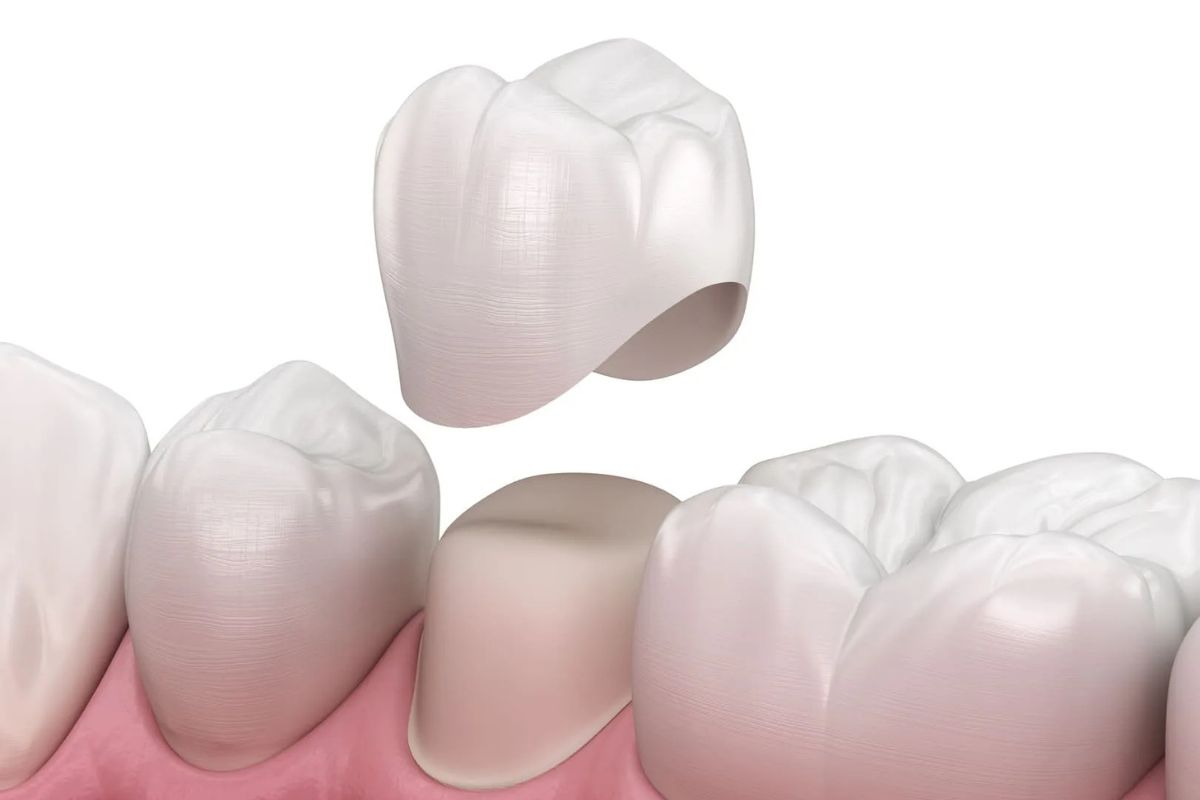
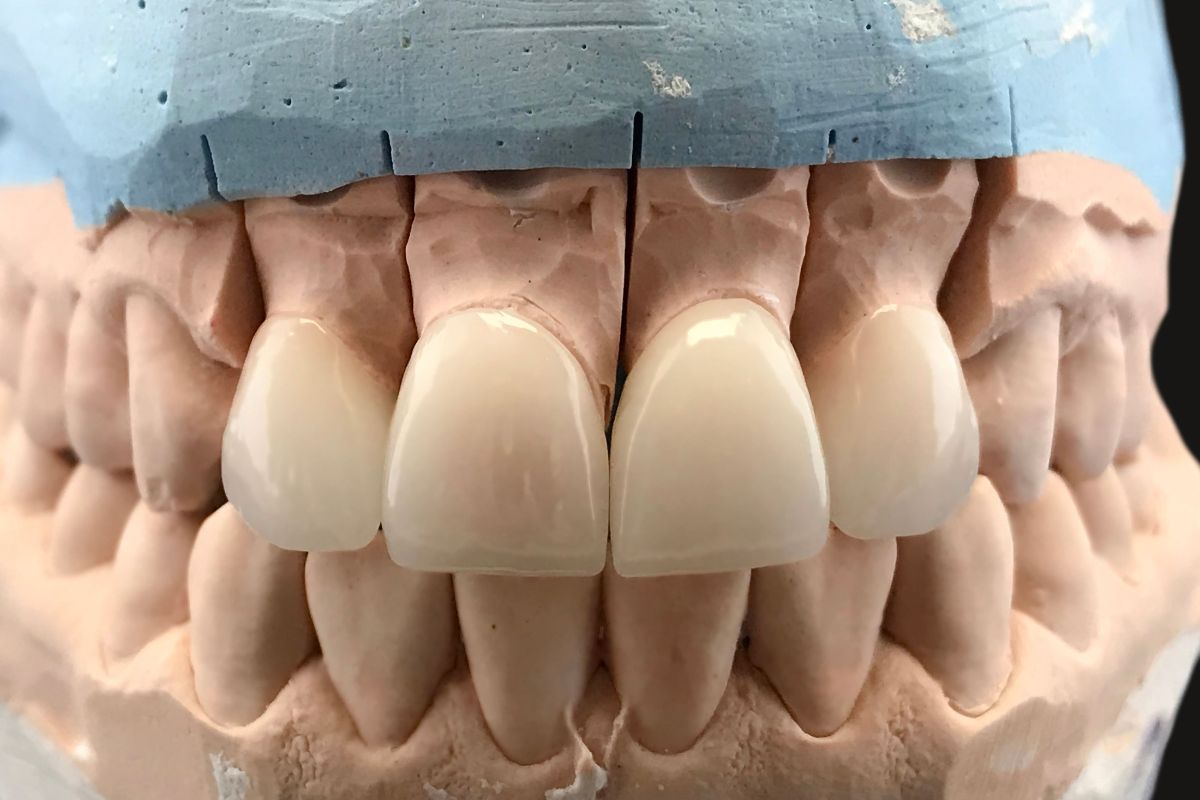
Dental crowns are widely used to repair weakened or damaged teeth. They act as protective caps, enhancing strength and appearance. While designed for durability, various factors can loosen this dental restoration. Understanding these causes helps you maintain your dental restoration for the long term.
Interested in learning how to prevent your tooth-shaped cap from falling out? Continue reading this blog to find out!
Common Reasons Why Dental Crowns Fall Out
Several factors can cause restorative caps to come loose or detach completely:
1. Poor Fabrication or Fit
A crown may not establish a secure seal if it is not fitted correctly because of manufacture faults or inaccurate impressions, which could result in deterioration and loosening.
2. Dental Cement Weakening
Dental cement is frequently subjected to chewing pressures, temperature fluctuations, and saliva. Over time, this causes the relationship to weaken and deteriorate naturally.
3. Bruxism, or teeth grinding
Excessive pressure from grinding or clenching might cause your tooth coverings to loosen or fracture. Wearing a nightguard might help keep your repair from wearing down any further.
4. Tooth Decay Under the Crown
The tooth under the cap remains susceptible to decay. If bacteria infiltrate beneath this protective cover, it weakens the tooth structure, causing instability.
5. Microleakage
Tiny gaps between the cap and tooth allow bacteria and food particles to accumulate, increasing the risk of decay and weakening the bond.
6. Chewing Hard or Sticky Foods
Hard or sticky foods, such as ice, candies, or caramel, can stress the crown, potentially dislodging it.
7. Insufficient Tooth Structure
If the natural tooth beneath the restorative cover lacks sufficient structure due to decay or previous damage, the foundation may not support the tooth cap long-term.
Signs That Your Crown Might Be Loose
Detecting a loose cap early can prevent more significant problems. Look for these signs:
- Tooth Sensitivity or Pain – Discomfort while chewing or consuming hot/cold foods may indicate a loose restoration or decay.
- Crown Movement – A secure cap should not shift or move when touched.
- Chips or Cracks – Visible damage to the restoration can weaken its structure.
- Bite Discomfort – Changes in bite alignment may signal a shifting or loose crown.
What to Do If Your Crown Falls Out?
If your tooth cap falls out, follow these steps:
- Find the Crown – Locate and store the restorative dental cover in a clean container.
- Contact Your Dentist – Schedule an appointment for evaluation and reattachment.
- Protect the Tooth – Avoid chewing on the affected side. Use sugar-free gum or temporary dental cement (available at pharmacies) to cover the exposed tooth.
How to Prevent Complications with Tooth Caps?
To ensure the longevity of your dental crown:
- Maintain Good Oral Hygiene – Brush twice daily with fluoride toothpaste and floss regularly to prevent plaque buildup.
- Schedule Routine Dental Visits – Regular checkups allow early detection of potential issues with your restoration.
- Avoid Hard and Sticky Foods – Try not to consume foods that may stress or dislodge your cap.
- Wear a Nightguard – A custom nightguard can protect your dental cap if you grind your teeth.
Fixing a Loose or Lost Crown: Treatment Options
The following treatments can strengthen and increase the lifespan of your dental crowns in Boise.
- Re-cementing or Replacing– If the tooth is intact, your dentist can clean the area and reattach the cap. Otherwise, a new cover may be necessary if the restoration is damaged or the tooth has deteriorated.
- Root Canal & Crown Placement – If decay has reached the tooth pulp, a root canal may be required before placing a new tooth cap.
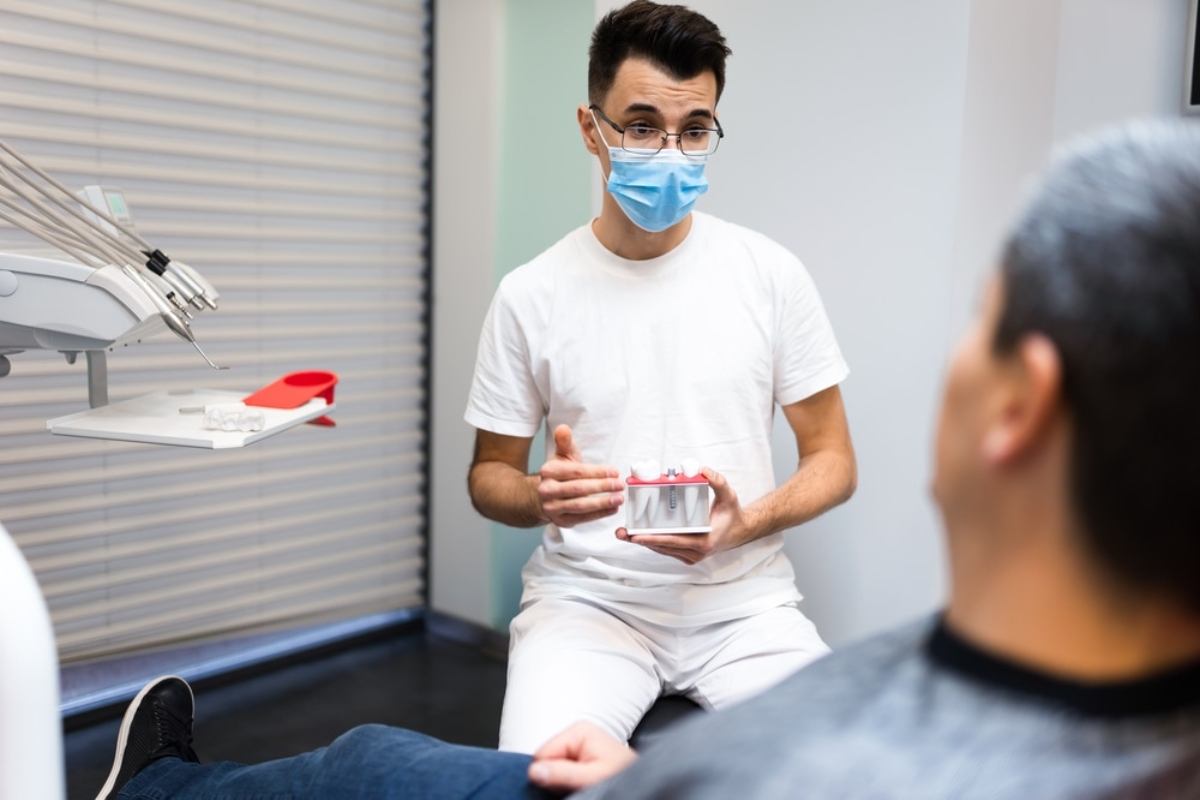
- Dental Implant – If the underlying tooth is severely compromised, a dental implant offers a long-term restoration solution.
Dental crowns are reliable restoration options for your teeth, lasting for years with proper oral hygiene practices. Understanding the factors that cause failure of the restorative procedure and practicing preventive care can help extend its lifespan. If you experience any crown-related issues, contact Summit Dental Group in Boise for prompt treatment. Trust our dentist to keep your smile healthy and beautiful.