782 S Americana Blvd, Boise, ID 83702

Are Boise Dental X-Rays Safe?


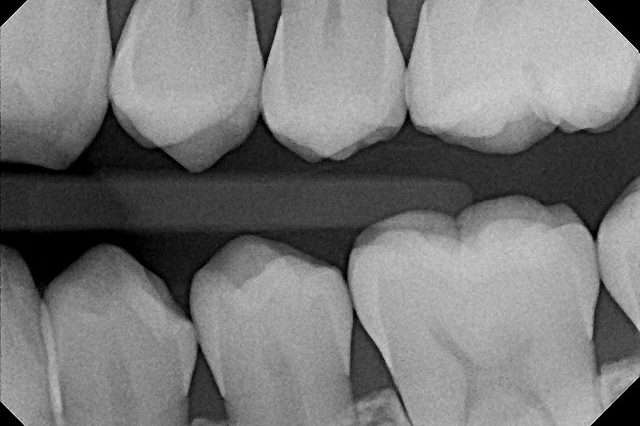
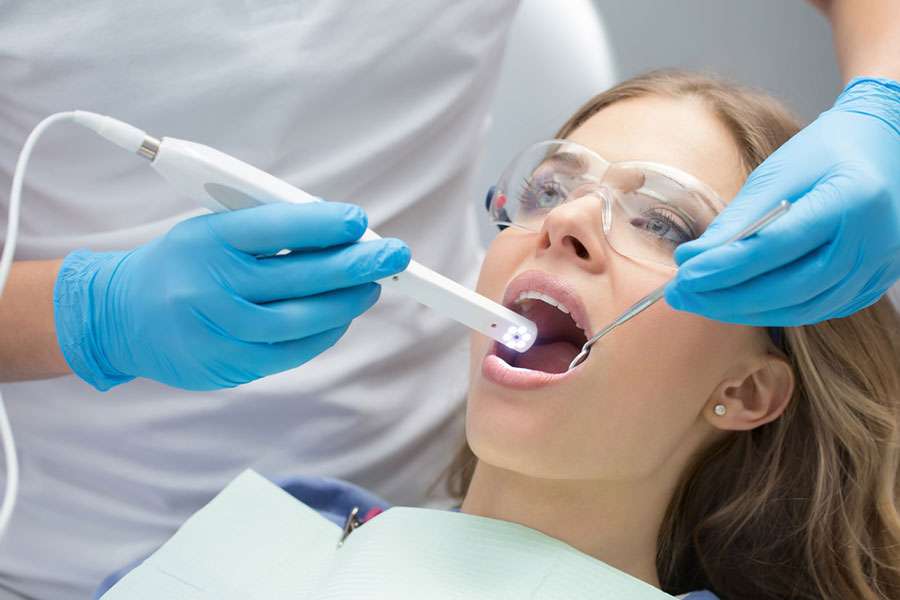
YES! Boise dental X-rays have been safely used in dentistry for well over a century. In fact, X-rays help your Boise dentist visualize problems and diseases of the teeth and surrounding tissue that cannot be seen with a simple Boise dental exam. They are also helpful in assisting in the preparation of other Boise cosmetic dentistry, best smile restoration procedures that can include: Boise tooth implants, braces, dentures, etc.
Today the amount of radiation you are exposed to has significantly decreased as technology has advanced. Of course there are always risks when it comes to any diagnostic procedure, but the benefits of Boise dental X-rays far outweigh those risks. In fact, Boise dental X-ray tools and techniques such as lead aprons, and focalized cones are specifically designed to limit the amount of radiation you are exposed to, and every precaution is made to ensure that radiation exposure is As Low As Reasonably Achievable (the ALARA principle).
Radiation exposure comes from a variety of environmental factors in addition to any healthcare diagnostic or treatment tools. To better understand this perspective, a person during a one year time span, is expected to have 360mRem from the sun, air, etc. By comparison, a single set of bitewing X-rays is 0.3mREM. Keep in mind though, radiation does accumulate in our bodies over a lifetime, and additional exposure should be avoided whenever possible.
Boise dental X-rays can be used to:
- Provide your Boise dentist with the ability to see areas of decay that may not be visible during an oral exam, especially small areas of decay between teeth.
- Identify decay occurring beneath an existing filling.
- Reveal bone loss or changes that accompany gum disease.
- Changes in a Boise root canal resulting from infection.
- Assist in the preparation of a best smile restoration such as: Boise tooth implants, braces, dentures, or other Boise cosmetic dentistry procedures
- Reveal an abscess (an infection at the root of a tooth or between the gum and a tooth)
- Reveal other developmental abnormalities, such as cysts and some types of tumors